A sales funnel sounds like corporate jargon until you actually see how many leads quietly disappear at each stage without one. Understanding it properly helps you figure out exactly where you’re losing potential customers.
What a Sales Funnel Actually Is
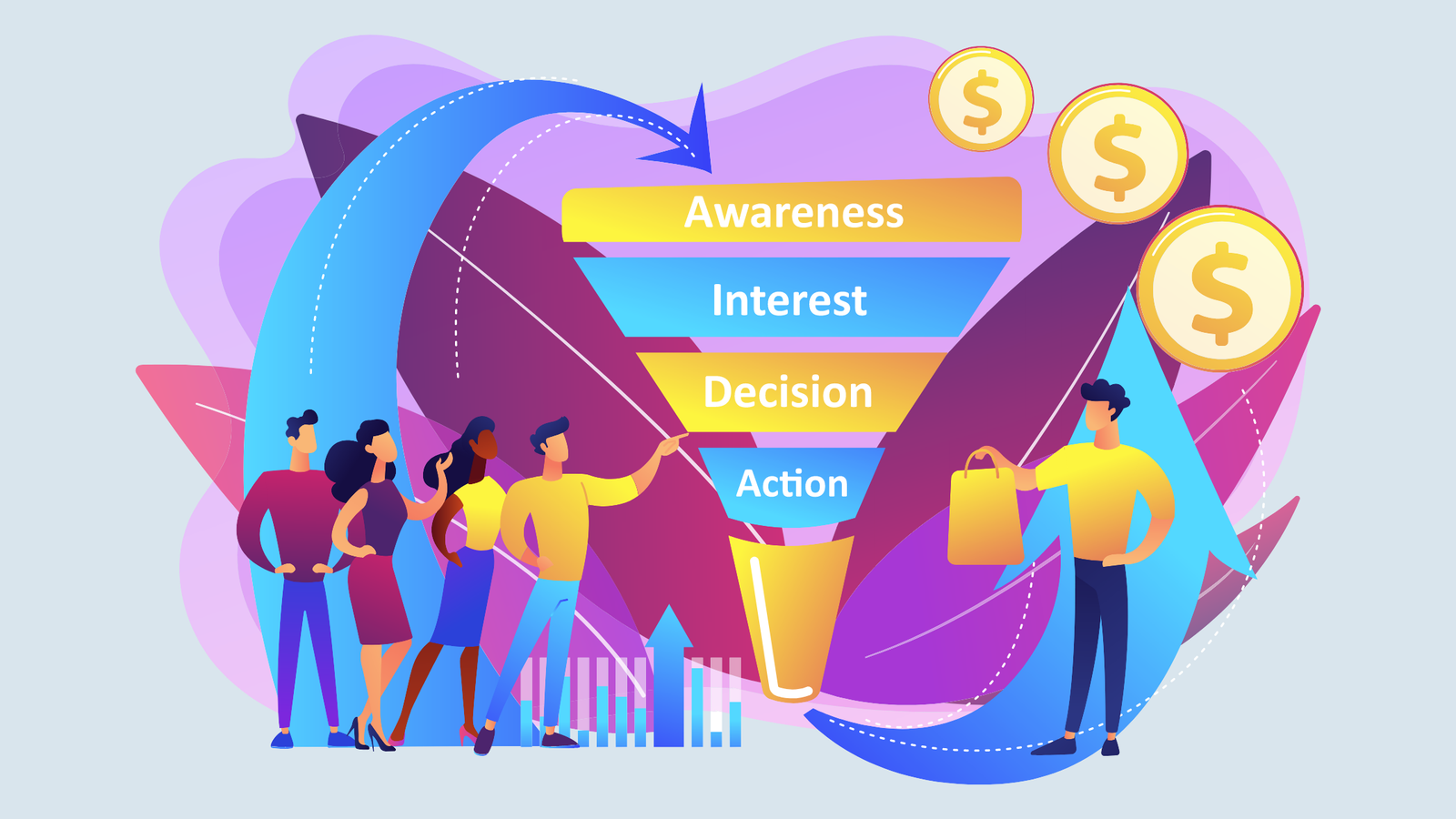
Quick answer: A sales funnel is the step-by-step journey a potential customer takes from first hearing about your business to actually making a purchase, typically moving through awareness, interest, decision, and action stages.
Stage 1: Awareness
This is where someone first discovers your business — through an ad, a friend’s recommendation, or a Google search. At this stage, they’re not ready to buy yet, just noticing you exist.
Stage 2: Interest
Now they’re actively considering whether your product or service solves their problem. This is where content like blog posts, comparisons, and case studies genuinely matter.
Stage 3: Decision
The potential customer is comparing you against alternatives, checking pricing, and reading reviews. Trust signals — testimonials, clear pricing, guarantees — matter enormously here.
Stage 4: Action
This is the actual purchase moment. A confusing checkout process, unclear pricing, or a pushy final pitch can lose a customer even after they’ve decided to buy.
Why Leads Drop Off at Each Stage
- Awareness to Interest: unclear messaging that doesn’t explain the actual benefit
- Interest to Decision: lack of trust signals or social proof
- Decision to Action: friction in the buying process itself, like a complicated form or slow response time
How to Improve Each Funnel Stage
- Sharpen your messaging so it’s instantly clear what problem you solve
- Add genuine testimonials and case studies at the decision stage
- Simplify your checkout or booking process to reduce last-minute drop-offs
- Follow up quickly with interested leads — speed matters more than most businesses realize
A Real Example
Picture a small consulting business getting decent website traffic but few actual bookings. After adding client testimonials and a simpler inquiry form, their conversion rate from interest to decision improved noticeably within weeks — same traffic, better funnel.
Common Sales Funnel Mistakes
I’ve noticed businesses often pour money into awareness (ads, social media) while completely ignoring the decision stage, where trust actually gets built. More traffic into a broken funnel just means more people leaving disappointed at the same point.
FAQ
What are the four main stages of a sales funnel? Awareness, interest, decision, and action — representing the journey from first discovering a business to making a purchase.
Why do leads drop off during the decision stage? Usually due to a lack of trust signals like testimonials, unclear pricing, or too many unanswered questions compared to competitors.
How can I improve my sales funnel without increasing ad spend? Focus on fixing weak points in your existing funnel — like adding testimonials or simplifying checkout — before spending more on traffic.
What’s the difference between a sales funnel and a marketing funnel? They largely overlap, though a sales funnel often emphasizes the direct steps toward a purchase, while marketing funnels include broader brand awareness efforts.
How do I know where my sales funnel is losing customers? Track conversion rates between each stage; a sharp drop at any particular stage points to exactly where the problem lies.
Conclusion
Understanding your sales funnel properly means you stop guessing where customers disappear and start fixing the actual leak. Look at your last 20 leads this week — where exactly did most of them stop moving forward? That’s your starting point.
[Internal link suggestion: link to a related guide on “Cold Calling Scripts That Actually Get Appointments”]
Alt text suggestions:
- “Sales funnel diagram showing awareness to action stages”
- “Sales team reviewing lead conversion data on a screen”