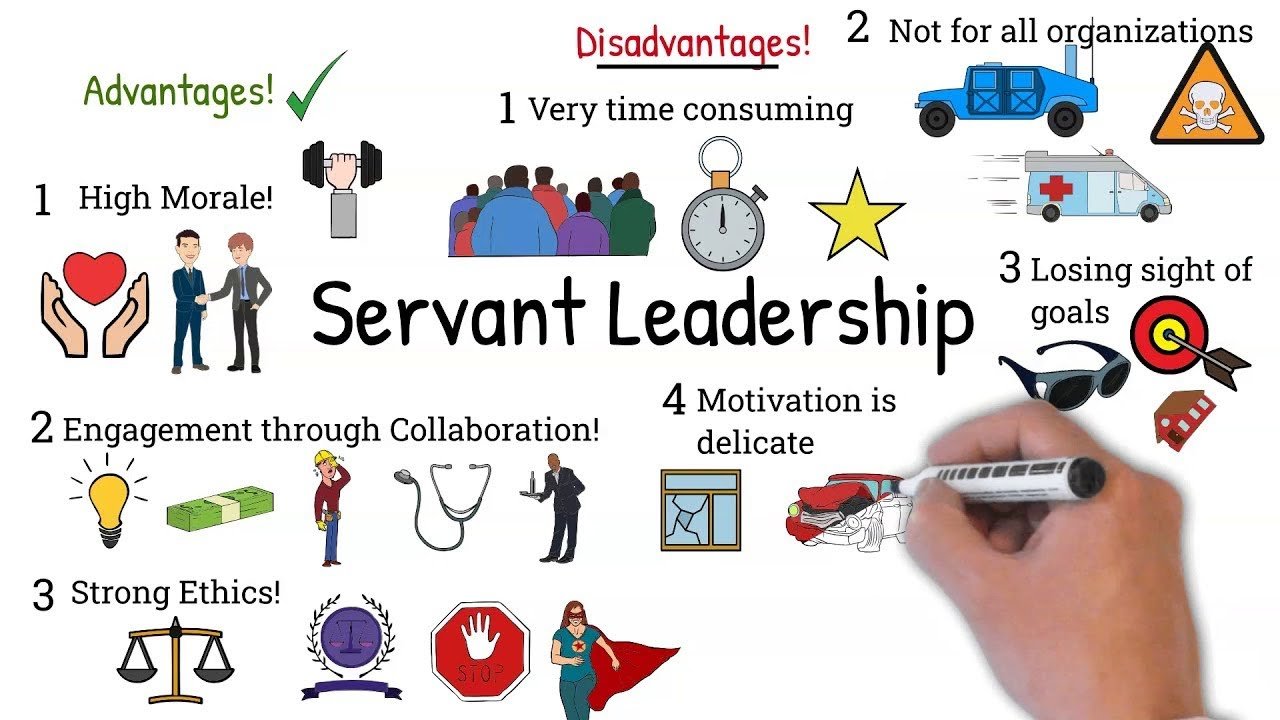
Servant leadership sounds a bit soft at first, almost like a contradiction — leaders who serve? But once you’ve worked under one, versus a purely top-down manager, the difference is genuinely noticeable.
What Servant Leadership Actually Means
Quick answer: Servant leadership is a style where the leader’s primary focus is supporting and developing their team’s growth and success, rather than prioritizing their own authority or the organization’s output first.
It flips the usual order. Instead of “how can my team help me hit targets,” it’s “how can I help my team succeed, and the targets follow from that.”
Why This Approach Often Works Better
I’ve noticed teams under servant leaders tend to take more initiative, simply because they trust their leader has their back. Compare that to teams under purely authoritative managers, where people often just do the minimum asked and nothing more.
Core Traits of a Servant Leader
- Listening genuinely, not just waiting for their turn to talk
- Empathy, understanding team struggles without dismissing them as excuses
- Commitment to growth, actively helping team members build new skills
- Humility, admitting mistakes openly instead of covering them up
How Servant Leadership Differs From Traditional Leadership
Traditional leadership often centers around directing and controlling. Servant leadership centers around enabling and removing obstacles. Both can be effective, but they build very different team cultures over time.
Common Misunderstandings About Servant Leadership
Some assume servant leaders are pushovers, avoiding tough decisions to keep everyone happy. That’s not accurate at all — servant leaders still make hard calls, they just prioritize the team’s long-term development while making them.
Practical Ways to Practice Servant Leadership
- Ask your team what obstacles are slowing them down, then actually remove one this week
- Give credit publicly, and take blame privately when things go wrong
- Invest time in one-on-one coaching, not just group meetings
- Ask more questions than you give instructions, especially with experienced team members
When Servant Leadership Might Not Fit
In genuine crisis situations requiring fast, decisive action, a more directive style sometimes works better temporarily. Servant leadership doesn’t mean avoiding authority entirely — it means using it in service of the team, even during urgent moments.
FAQ
What is servant leadership in simple terms? It’s a leadership style focused on supporting and developing the team first, with organizational success following as a result.
Is servant leadership effective in a business setting? Yes — it often builds stronger loyalty, initiative, and long-term retention within teams, though it requires patience to see results.
How is servant leadership different from being a weak leader? Servant leaders still make firm, sometimes difficult decisions — they just prioritize the team’s genuine growth and needs while doing so.
Can servant leadership work in fast-paced, high-pressure industries? Yes, though it may need to be balanced with more directive approaches during genuine emergencies or tight deadlines.
How can I start practicing servant leadership today? Start by genuinely listening more in your next team meeting, and follow up by removing one real obstacle for your team this week.
Conclusion
Servant leadership isn’t about giving up authority — it’s about redirecting it toward genuinely helping your team grow and succeed. The leaders who practice this well tend to build loyalty that’s much harder to buy with bonuses alone. Try just one servant leadership habit this week, and notice how your team responds.
[Internal link suggestion: link to a related guide on “How to Lead a Team Through Change Without Losing Morale”]
Alt text suggestions:
- “Manager listening attentively during a one-on-one team meeting”
- “Team collaborating with a supportive leader in the background”