Most of the important plumbing in a home is hidden.
It’s behind walls, underneath floors, beneath the driveway, and buried somewhere in the yard. You don’t see it when you wake up, make coffee, take a shower, or flush the toilet. You simply expect everything to work.
And most days, it does.
That’s what makes plumbing problems so disruptive when they finally appear. A strange smell from a drain or a small wet patch outside can suddenly raise a dozen questions. Is it serious? How long has it been happening? Can it be repaired, or will the whole system need to be replaced?
The answers aren’t always obvious. But homeowners can make better decisions by understanding the different parts of their plumbing system and paying attention to early warning signs.
Good Water Starts With Knowing What’s in It
Clear water isn’t necessarily the whole story.
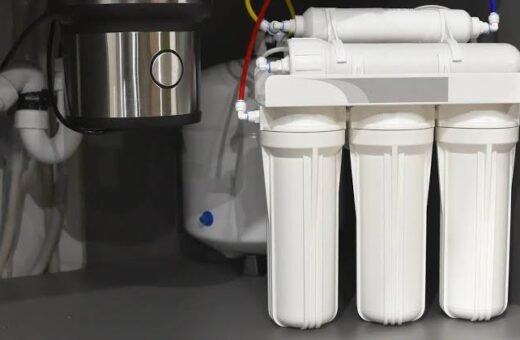
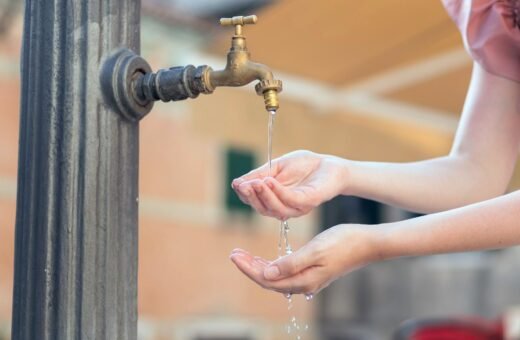
Water can contain minerals, sediment, chlorine, or other substances that affect taste, appearance, plumbing fixtures, and appliances. The exact concerns vary from one location and property to another.
That’s why water filtration shouldn’t be approached as a one-size-fits-all purchase.
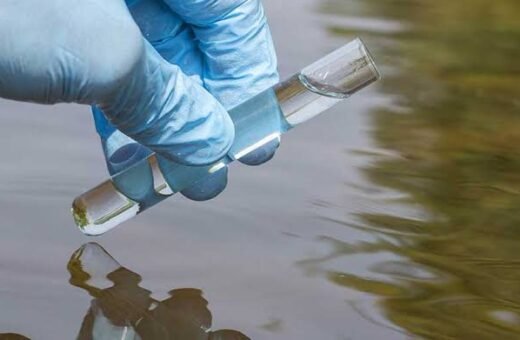
Before choosing a filter, consider testing the water and identifying the specific issue you’re trying to address. A system designed to improve taste may not solve hardness. A softener isn’t intended to remove every contaminant. Some concerns may require specialized treatment.
The right solution starts with understanding the water rather than choosing equipment first.
Hard Water Can Slowly Affect the Home
Hard water is usually more annoying than alarming.
Minerals such as calcium and magnesium can leave deposits around faucets and showerheads. Over time, scale may accumulate inside plumbing fixtures and appliances.
You might notice cloudy spots on shower glass or white residue around a kitchen faucet. Soap may not rinse quite as easily, either.
None of these problems necessarily means your plumbing is failing. But if they’re persistent, testing your water hardness can help explain what’s happening.
Treating the underlying issue can be more effective than constantly cleaning the symptoms.
Water Lines Need Attention Too
The pipes supplying your home aren’t immune to age.
Depending on the material and local conditions, water lines can develop corrosion, cracks, leaks, weak connections, or other forms of deterioration. Underground problems can be particularly difficult because you may not see the damage until it starts affecting water pressure or the surrounding soil.
Professional waterline replacement & repair can address anything from a localized damaged section to a severely deteriorated line.
The important decision is determining whether repair is enough or replacement makes more sense.
If one small section has failed and the rest of the line is in good condition, repairing that area may be reasonable. If multiple sections are failing, replacing the line may offer better long-term value.
Don’t Ignore Changes in Water Pressure
Water pressure can tell you more than you might expect.
If every faucet in the home suddenly has weaker pressure, the issue may involve the main supply, a valve, a hidden leak, or deteriorating piping.
If only one faucet is affected, the cause may be much simpler, such as a clogged aerator.
The key is noticing what has changed.
A plumbing system doesn’t have to perform perfectly forever. But when something behaves differently than it used to, that’s often worth investigating.
Sewer Problems Can Hide Underground
Sewer lines are another part of the home that most people don’t think about until there’s trouble.
Several slow drains at once can be a warning sign. Gurgling toilets, recurring backups, persistent sewer odors, and unexplained wet spots in the yard may also indicate a problem farther down the drainage system.
Tree roots can enter damaged pipes. Grease and debris can accumulate. Older pipes can crack, shift, or collapse.
The earlier the cause is identified, the more options you may have.
Gas Lines Require Extra Caution
Gas piping is different from ordinary household plumbing because safety risks can be much more serious.
Sewer & gas lines are sometimes discussed together when a contractor handles underground infrastructure, but gas work has its own requirements and safety considerations.
If you smell gas, don’t attempt to find the leak yourself. Leave the area and follow local emergency procedures. Avoid flames, switches, or anything that could create an ignition source.
Gas line installation, testing, modification, and repair should be handled by appropriately qualified professionals.
It’s simply not an area where a “let’s see if I can fix this” approach makes sense.
Recurring Clogs Deserve a Better Question
A clogged drain is frustrating.
A drain that clogs every few weeks is telling you something.
Hair and soap can block bathroom drains. Grease and food residue can affect kitchen lines. But repeated problems may point toward a deeper obstruction, root intrusion, or damaged pipe.
Chemical drain cleaners may provide temporary relief, but they won’t correct a structurally damaged line.
If the same problem keeps returning, ask why.
Finding the cause may save you from paying for the same temporary fix over and over.
Your Yard May Be Giving You Clues
Take a walk around your property every so often.
Look for areas that stay unusually wet, patches of grass that grow differently, unexplained standing water, or soil that seems softer than the surrounding ground.
These signs aren’t proof of a plumbing problem. Irrigation and drainage issues can look similar.
But when unusual moisture appears alongside changes in drainage, water pressure, or sewer behavior, it’s worth getting professional advice.
Underground infrastructure is much easier to deal with when you know where the problem is.
Modern Tools Can Make Diagnosis Less Disruptive
Plumbing diagnosis has become more precise thanks to modern equipment.
Drain cameras can show the inside of sewer lines. Electronic tools can help locate certain hidden leaks. Pressure testing can reveal problems that aren’t visible during a basic inspection.
This matters because nobody wants their yard dug up or their walls opened unnecessarily.
A good technician gathers information first whenever practical, then recommends a repair based on what the evidence shows.
Technology doesn’t replace experience. It gives experienced professionals better information to work with.
Repair or Replacement? Look at the Bigger Picture
When a pipe fails, homeowners naturally want the smallest possible repair.
Sometimes that’s exactly right.
Other times, a small repair is just one more patch on a system that’s already deteriorating.
Consider the age of the plumbing, the material, the number of previous repairs, the extent of current damage, and the expected lifespan of the remaining infrastructure.
A professional inspection can help put those factors into perspective.
The cheapest option today may not be the most affordable option over several years.
Prevention Is Mostly About Paying Attention
Plumbing maintenance doesn’t have to become a hobby.
You can start with simple habits. Don’t pour large amounts of grease into drains. Keep inappropriate materials out of toilets. Check visible connections for moisture. Know where your main water shutoff is located.
Pay attention to changes.
A new odor, recurring clog, sudden pressure drop, or unexplained wet patch may be nothing—or it may be the first sign of something bigger.
Either way, noticing it gives you a chance to respond.
Good Plumbing Should Feel Boring
Honestly, that’s the goal.
You shouldn’t have to think about your underground sewer line while making breakfast. You shouldn’t wonder whether the water coming from the kitchen faucet is going to taste strange. And you certainly shouldn’t have to worry about whether an unnoticed leak is quietly damaging your property.
Good plumbing works in the background.
When problems appear, the smartest response is usually calm investigation rather than panic. Find out what’s wrong. Understand your options. Repair what’s repairable, replace what’s genuinely worn out, and use qualified professionals for work that involves serious safety or structural concerns.
The pipes may be hidden, but your plumbing doesn’t have to be a mystery.
A little awareness today can prevent a much bigger headache tomorrow—and that’s a pretty good reason to pay attention to the systems you normally never see.