Most homeowners don’t think much about the plumbing hidden behind their walls, beneath their floors, or under the yard. As long as the taps run and the drains empty, everything seems fine. But plumbing problems rarely begin with a dramatic burst pipe. More often, they start quietly—a small drip, a damp patch, a faint odor, or a gradual change in water pressure.
These early signs are easy to overlook, especially when life is busy. Yet paying attention to them can prevent serious repairs later. Regular inspections, accurate diagnosis, and timely maintenance help protect a property from unnecessary damage while keeping its plumbing system working efficiently.
Small Plumbing Problems Can Become Major Issues
A minor leak may not appear dangerous at first. A loose fitting beneath the kitchen sink, for instance, might only release a few drops of water each day. Over time, however, that moisture can damage cabinets, weaken flooring, stain walls, and create an environment where mold can grow.
The same is true for hidden leaks inside walls or beneath a foundation. Because the water is not always visible, homeowners may not recognize the issue until they notice peeling paint, warped materials, musty smells, or an unusually high water bill.
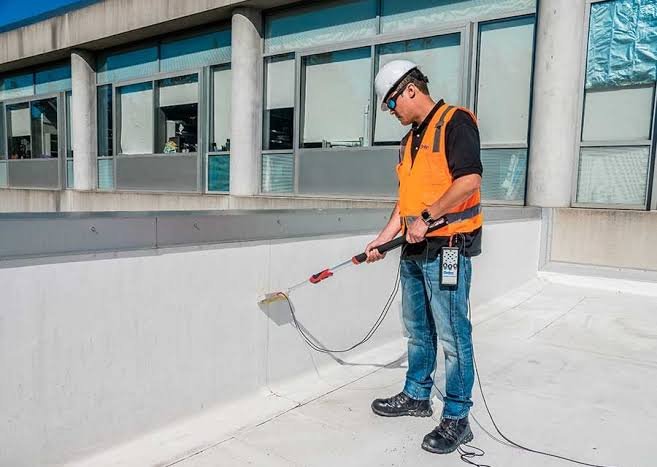
Professional leak detection helps locate the source of a plumbing problem before the damage spreads. Depending on the situation, plumbers may use pressure testing, acoustic equipment, infrared technology, moisture meters, or specialized cameras. These tools can reduce guesswork and make it easier to identify leaks in areas that are difficult to access.
Finding a leak early is not just about saving water. It can also protect the structure of the home and reduce the likelihood of expensive restoration work.
Understanding the Risks of Water Damage
Water is essential, but uncontrolled water can be destructive. Even a slow leak can affect several parts of a property when it continues unnoticed. Drywall may become soft, wood can swell or rot, flooring may buckle, and insulation can lose its effectiveness. In severe cases, moisture can reach electrical systems and create additional safety concerns.
The risks associated with water damage go beyond visible stains. Persistent moisture can encourage mold growth, which may affect indoor air quality and create health concerns for sensitive individuals. It can also leave behind unpleasant odors that are difficult to remove without addressing the original source.
Homeowners should take action when they notice water marks on ceilings, bubbling paint, damp flooring, or unexplained moisture around appliances. A musty smell in a closed room can also be a clue that water is collecting somewhere out of sight.
The longer moisture remains untreated, the more complicated the repair may become. A small plumbing repair could eventually require drywall replacement, flooring work, cabinet repairs, or professional remediation.
Why Professional Inspections Matter
A plumbing inspection is more than a quick look at visible pipes. A qualified plumber evaluates the condition of the system, checks for signs of wear, and looks for potential weaknesses that may not be obvious to the homeowner.
During an inspection, professionals may examine water pressure, shutoff valves, supply lines, drainage, fixtures, water heaters, and exposed pipe connections. In older properties, they may also look for corrosion, outdated materials, mineral buildup, or signs that the plumbing system is approaching the end of its useful life.
Inspections are especially valuable before buying a home, remodeling a kitchen or bathroom, or preparing an older property for sale. Identifying plumbing concerns early gives homeowners more time to plan and budget rather than dealing with an unexpected emergency.
A professional inspection can also help distinguish between a minor issue and a larger system-wide problem. For example, one slow drain may be caused by local buildup, while several slow drains could indicate a problem farther along the main drainage line.
The Value of Accurate Testing
Plumbing diagnosis should be based on evidence rather than assumptions. Replacing a visible component without confirming the actual cause may provide only temporary relief. The problem could return, sometimes in a more serious form.
This is where testing & follow-up become important. Depending on the issue, a plumber may test water pressure, inspect sewer lines with a camera, check for hidden moisture, assess pipe integrity, or perform a leak test after completing repairs.
Follow-up is particularly useful after major plumbing work. A repaired pipe should be checked for signs of leakage, proper pressure, and secure connections. A drain that has been cleaned should be monitored to make sure the blockage does not quickly return. If the original issue involved water damage, the affected area may also need to be checked for l