In a busy commercial kitchen, water does far more than fill a glass or rinse a plate. It helps prepare meals, makes ice, powers steam equipment, and keeps dishes and work surfaces clean. When water quality isn’t quite right, the effects can show up in surprising places: cloudy glasses, coffee that tastes different from one morning to the next, or stubborn mineral deposits inside expensive kitchen equipment.
These problems might seem minor at first, but they can become costly when a restaurant, hotel, café, or catering business serves customers throughout the day. Reliable water filtration helps businesses maintain consistency, protect suitable equipment, and make everyday kitchen tasks easier. The trick is finding a system that matches the way the kitchen actually operates.
Why Water Quality Matters in a Commercial Kitchen
Commercial kitchens use water constantly. Dishwashers, ice machines, coffee makers, steam ovens, and beverage dispensers may all depend on water with particular quality characteristics. If the incoming supply contains excessive minerals, sediment, or substances that affect taste and odor, those issues can influence equipment performance and the final product.
Hard water is a common concern. Calcium and magnesium can accumulate inside pipes, heating elements, and other components, gradually forming scale. As buildup increases, equipment may require more frequent cleaning and servicing. In some cases, scale can interfere with heating efficiency or contribute to premature wear.
Taste is another consideration. Water that carries a noticeable chlorine flavor may affect coffee, tea, soups, sauces, and drinking water served to customers. Even if the water meets applicable drinking-water standards, these sensory differences can matter to a business that takes pride in consistency.
The first step is to understand what’s actually in the water. Testing can help identify hardness, pH, and other relevant characteristics, while more specific laboratory analysis may be needed when particular contaminants are a concern. Once the results are clear, selecting an appropriate treatment system becomes much more straightforward.
Keeping Ice Clear and Equipment Protected
Ice is often overlooked when businesses review their water quality. Yet customers notice it immediately in soft drinks, cocktails, iced coffee, and other beverages. Ice made from water with unwanted tastes, odors, or suspended particles can affect the overall drinking experience, even when the beverage itself is prepared well.
A suitable commercial ice machine filtration system can help improve the water entering an ice maker. Depending on the filter’s design and verified performance, it may reduce chlorine taste and odor, trap certain particles, and address other specified water quality concerns.
The right filter depends on the ice machine, the incoming water, and the manufacturer’s recommendations. Some machines need filtration primarily for taste, while others may require additional measures to manage scale or protect internal components. A filter designed for one application shouldn’t automatically be assumed suitable for another.
Businesses should also consider flow rate and filter capacity. A system that works for a small café may struggle in a hotel or restaurant producing large quantities of ice during peak hours. Selecting the correct capacity helps avoid unnecessary pressure loss and frequent cartridge changes.
Filtration doesn’t replace routine ice machine cleaning and sanitizing. Staff should continue following the manufacturer’s maintenance schedule, inspecting the equipment, and keeping ice storage areas clean. Good water quality and proper sanitation work together; neither makes the other unnecessary.
Choosing Filters That Match the Water
Commercial water filters come in several forms, each designed to address different issues. Activated carbon filters are commonly used to reduce chlorine taste and odor and certain organic compounds. Sediment filters capture particles, while specialized systems may target specific dissolved substances.
The phrase commercial water filters covers a broad range of equipment, so businesses should look beyond the product name. A filter’s effectiveness depends on its construction, certification, rated capacity, and the contaminants it has been tested to reduce.
For example, a carbon filter may improve the taste of incoming water but won’t necessarily soften it or remove microorganisms. A sediment filter can capture particles but generally won’t address dissolved minerals. Reverse osmosis systems can reduce certain dissolved substances, although they require appropriate design, maintenance, and consideration of wastewater production.
It’s worth reviewing the manufacturer’s performance documentation before buying. Look for independent certification where available, and make sure the stated reduction claims correspond to the concerns identified in your water test. If your kitchen uses water for specialized equipment, check the equipment manufacturer’s requirements as well.
There’s no advantage in installing a complicated system simply because it offers more features. A properly selected filter that solves the actual problem may be more practical and economical than a larger system with capabilities the business doesn’t need.
Building a Reliable Commercial Kitchen Filtration Plan
Water treatment is often most effective when it’s planned around the kitchen’s different uses rather than treated as one general problem. Drinking water, ice production, dishwashing, and food preparation may have different requirements.
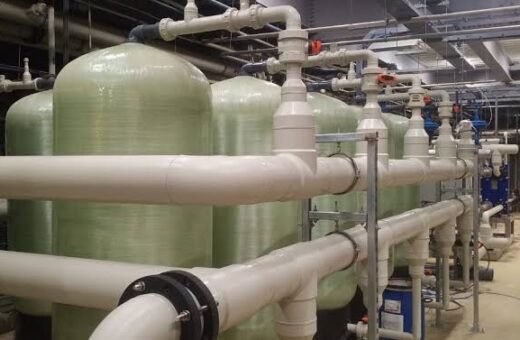
A well-planned commercial kitchen filtration setup can use dedicated filters at selected points or a larger treatment system serving several applications. For example, an ice maker and a coffee machine may benefit from separate filtration because their manufacturers have different water specifications. Meanwhile, a whole-building system may be appropriate when a verified issue affects multiple fixtures or appliances.
Before choosing an arrangement, consider peak demand. A restaurant’s water consumption can rise sharply during lunch and dinner service. Filters and treatment equipment need to accommodate the required flow without disrupting kitchen operations.
Installation matters, too. Equipment should be accessible for servicing, installed according to manufacturer instructions, and connected in a way that allows safe maintenance. Poor placement can turn a routine cartridge replacement into an awkward job that staff put off for too long.
If the water has several problems, a combination of treatments may be appropriate. For example, sediment filtration might be needed before another treatment stage. Hardness may require a separate softening system, while microbiological concerns call for appropriate testing and a treatment method designed for that purpose. A qualified water treatment professional can help determine whether multiple stages are justified.
Managing Maintenance Without Disrupting Service
Commercial kitchens rarely have much spare time. When equipment is busy throughout the day, it’s easy for maintenance tasks to slip down the priority list. Unfortunately, neglected filtration systems can lose performance as cartridges become exhausted or components require servicing.
A simple maintenance schedule helps keep things manageable. Record filter installation dates, recommended replacement intervals, service visits, and any relevant water test results. Assign responsibility for checking the schedule so it doesn’t depend on one employee remembering everything.
Pay attention to changes in water taste, odor, flow rate, or equipment performance. These signs don’t always mean a filter has failed, but they can indicate that an inspection is worthwhile. Follow the manufacturer’s instructions rather than waiting until the system stops working completely.
Businesses should also keep replacement cartridges readily available when practical. An inexpensive filter change is easier to manage when the correct part is on hand, especially during busy periods when an equipment issue could interrupt service.
Considering Costs Beyond the Purchase Price
The cheapest filtration system isn’t necessarily the least expensive to operate. A lower-priced unit may require frequent cartridge replacements, while a more suitable system may offer greater capacity or simpler maintenance. On the other hand, buying an oversized system can mean paying for features the kitchen doesn’t need.
Compare installation costs, replacement filters, service requirements, water use, and any necessary plumbing changes. Ask suppliers what the quoted price includes and whether replacement parts are readily available.
It’s also useful to consider the cost of inaction. Persistent scale buildup, repeated cleaning, inconsistent beverage quality, and avoidable equipment servicing can add up over time. Appropriate filtration may help manage some of these issues, although results depend on the water conditions and equipment involved.
A Practical Investment in Everyday Quality
Good water filtration rarely attracts much attention when everything is working properly. That’s part of its value. Ice looks clear, beverages taste consistent, and kitchen equipment can operate under the conditions specified by its manufacturer.
For commercial kitchens, the best approach begins with understanding the water, identifying the most important concerns, and selecting equipment designed to address them. Regular maintenance then helps the system continue doing its job.
Whether you operate a neighborhood café, a busy restaurant, or a large hotel kitchen, water quality deserves a place in your routine equipment planning. A little attention now can make daily operations easier and help you serve customers with greater confidence, one glass, plate, and cup at a time.