Most small business owners avoid their own books because the vocabulary feels intimidating. Understanding basic accounting terms doesn’t require a finance degree — just a clear explanation, which oddly enough, most accountants forget to give.
Why Bother Learning This Yourself
Quick answer: Learning basic accounting terms helps small business owners understand their own financial statements, make better pricing and spending decisions, and communicate clearly with accountants instead of blindly trusting reports they don’t understand.
Term 1: Revenue
This is simply the total money coming in from sales, before subtracting any expenses. It’s often confused with profit, but they’re very different things.
Term 2: Expenses
Any cost incurred to run the business — rent, salaries, raw materials, electricity. Tracking this accurately is where a lot of small businesses fall short.
Term 3: Profit (and the Two Types That Matter)
- Gross profit: revenue minus the direct cost of producing your product or service
- Net profit: what’s left after subtracting all expenses, including taxes and overhead
Term 4: Assets
Anything the business owns that has value — cash, inventory, equipment, property. Assets are what keep a business running and growing.
Term 5: Liabilities
What the business owes — loans, unpaid bills, pending salaries. Healthy businesses manage liabilities carefully instead of letting them pile up quietly.
Term 6: Cash Flow
This tracks money actually moving in and out, regardless of profit on paper. A business can show profit and still struggle if cash isn’t available when bills are due.
Term 7: Balance Sheet
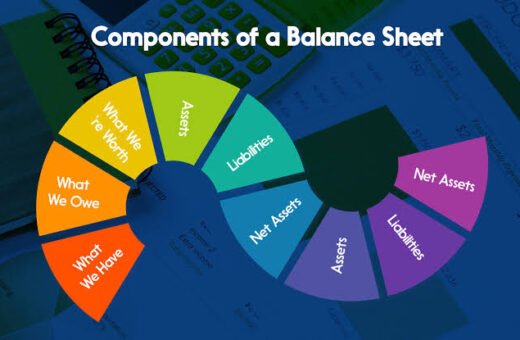
A snapshot, at a specific point in time, of what the business owns (assets) versus what it owes (liabilities), plus owner’s equity. [link to related guide on “How to Read a Balance Sheet”]
Term 8: Accounts Receivable and Payable
- Receivable: money owed to you by customers
- Payable: money you owe to suppliers or vendors
Term 9: Depreciation
The gradual reduction in value of an asset over time — like equipment wearing out. It’s an accounting concept, not actual cash leaving the business.
Term 10: Break-Even Point
The sales level at which total revenue exactly equals total costs — beyond this point, the business starts making an actual profit.
Why Small Business Owners Skip Learning This
I’ve noticed many owners assume it’s “too technical” and hand it all over blindly to an accountant. That’s fine for filing, but dangerous when it comes to actually understanding whether the business is healthy.
FAQ
What are the most important accounting terms for small business owners? Revenue, profit, cash flow, assets, and liabilities form the essential foundation everyone should understand.
What’s the difference between profit and cash flow? Profit is what’s left after expenses on paper; cash flow is actual money moving in and out, which can differ significantly due to timing.
Do I need an accountant if I understand basic accounting terms myself? Yes, for accuracy and compliance — but understanding these terms helps you make better decisions and ask the right questions.
What is the difference between gross profit and net profit? Gross profit only subtracts direct production costs; net profit subtracts all expenses, including overhead and taxes.
Why is the break-even point important for a small business? It tells you exactly how much you need to sell before you start actually making money, which helps with pricing and planning.
Conclusion
Learning these basic accounting terms turns your financial statements from confusing jargon into genuinely useful information. You don’t need to become an accountant, but understanding your own numbers puts you back in control of real business decisions.
[Internal link suggestion: link to a related guide on “How to Read a Balance Sheet”]
Alt text suggestions:
- “Small business owner reviewing basic accounting terms on a laptop”
- “Notebook with handwritten accounting terms and definitions”