If you’ve ever stared at a balance sheet and felt completely lost, you’re definitely not alone. Most business owners avoid this document entirely, leaving it fully to their accountant. That’s a missed opportunity, honestly, because a balance sheet tells a real story about business health.
What a Balance Sheet Actually Shows
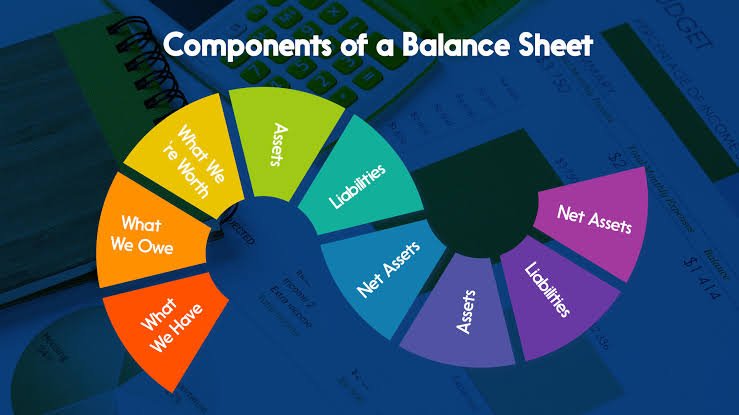
Quick answer: A balance sheet is a financial snapshot at a specific date showing what a business owns (assets), what it owes (liabilities), and the owner’s remaining stake (equity) — with assets always equal to liabilities plus equity.
The Three Core Sections
1. Assets
Assets are everything the business owns with value — cash, inventory, equipment, property, and money owed by customers.
- Current assets: things that can convert to cash within a year, like cash itself or inventory
- Fixed assets: longer-term holdings like machinery, buildings, or vehicles
2. Liabilities
Liabilities represent what the business owes to others.
- Current liabilities: due within a year, like short-term loans or pending supplier payments
- Long-term liabilities: bigger obligations like long-term loans or leases
3. Owner’s Equity
This is what’s left for the owner after subtracting liabilities from assets. It reflects the actual net worth of the business at that point in time.
The Golden Rule: Assets = Liabilities + Equity
This equation always balances — hence the name “balance sheet.” If it doesn’t balance, something’s been recorded incorrectly somewhere.
Why the Balance Sheet Matters for Decision-Making
I’ve noticed owners focus almost entirely on profit and loss statements, ignoring the balance sheet completely. But it reveals things a profit statement can’t — like whether the business is over-leveraged with debt, or sitting on too much unsold inventory.
Red Flags to Watch For
- Liabilities growing consistently faster than assets over time
- Very high current liabilities compared to current assets, signaling potential cash crunches
- Owner’s equity steadily shrinking, which can indicate the business is losing real value
A Simple Way to Practice Reading One
Picture a small retail shop owner in Jaipur. Their balance sheet shows ₹5 lakh in inventory, ₹2 lakh in cash, and ₹3 lakh owed to suppliers. That’s a healthy position — assets comfortably exceed liabilities, leaving decent equity for the owner.
How Often Should You Review Your Balance Sheet?
Quarterly reviews work well for most small businesses. Monthly is even better if you’re actively growing or dealing with tight cash flow.
FAQ
What’s the easiest way to understand a balance sheet? Think of it as a snapshot: what you own, what you owe, and what’s genuinely yours after that math, all at one specific date.
Why must a balance sheet always balance? Because every asset is funded either through debt (liabilities) or the owner’s own investment (equity) — there’s no third option.
What’s the difference between current and fixed assets? Current assets convert to cash within a year; fixed assets, like equipment or property, are held longer-term.
How often should a small business review its balance sheet? At least quarterly, though monthly reviews are better for businesses managing tight cash flow or rapid growth.
Can a business be profitable but still have a weak balance sheet? Yes — high profit doesn’t guarantee financial health if liabilities are growing faster than assets underneath it.
Conclusion
Learning how to read a balance sheet isn’t about becoming an accountant overnight — it’s about understanding one more honest signal of your business’s real health. Pull up your latest balance sheet this week and just walk through these three sections yourself, even before your accountant explains it.
[Internal link suggestion: link to a related guide on “Basic Accounting Terms Every Small Business Owner Must Know”]
Alt text suggestions:
- “Balance sheet document with assets and liabilities highlighted”
- “Small business owner reviewing financial statements with calculator”