Most people think about water quality when they fill a glass at the kitchen sink. If it tastes strange, smells like chlorine, or leaves a metallic aftertaste, the problem suddenly feels important. But water doesn’t spend its whole day in a drinking glass. It runs through showers, washing machines, dishwashers, water heaters, toilets, and countless feet of household plumbing.
That makes water quality a much bigger part of daily life than it first appears.
Some water concerns are obvious. Others quietly affect fixtures and appliances over time. Hardness can leave mineral deposits, sediment can clog screens and filters, and certain compounds can influence taste and odor. The good news is that understanding the water in your home doesn’t have to become a complicated science project.
Start with the basics, pay attention to changes, and treat the problems that actually exist.
Clear Water Isn’t Necessarily Perfect Water
One of the easiest assumptions to make is that clear water must be good water.
Unfortunately, appearance doesn’t tell the whole story.
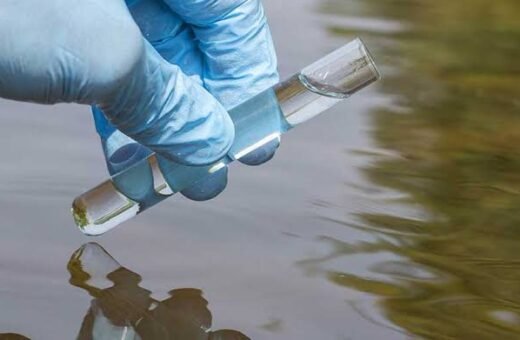
Many substances dissolved in water are invisible. Minerals, certain metals, disinfectants, and other compounds may have no obvious visual sign. That’s why water testing can be useful, especially for private wells or homes experiencing a noticeable change.
A test provides information that your eyes simply can’t.
It can also prevent unnecessary spending. Instead of purchasing a filter because it claims to solve dozens of problems, you can choose treatment based on what is actually present in your water.
That’s a much better starting point.
What Better Water Can Mean at Home
For one household, better water might mean eliminating a chlorine taste. For another, it could mean reducing hardness or dealing with sediment.
In practical terms, cleaner water can mean water that’s more pleasant to use while also addressing specific quality concerns identified through testing.
The important word here is “specific.”
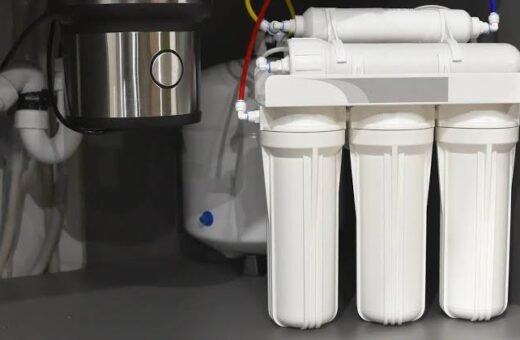
No single treatment technology is designed to remove everything. Sediment filtration handles physical particles. Activated carbon can address certain taste and odor compounds. Water softeners target hardness. Reverse osmosis reduces many dissolved substances.
Choosing the right technology requires knowing what you’re trying to improve.
Drinking Water Deserves Special Attention
The water you consume is understandably a major concern. People cook with it, make coffee and tea, fill water bottles, and use it for everything from preparing baby formula to rinsing fresh produce.
That doesn’t mean every household needs an expensive treatment system at the kitchen sink.
If the municipal supply is already suitable and the main complaint is taste, a carbon filter may be enough. If testing identifies a specific contaminant, a more targeted treatment may be appropriate.
For households with private wells, routine testing becomes especially important. Groundwater conditions can vary, and a well that has produced good water for years can still experience changes.
Ultimately, drinking water treatment should be based on the actual source and quality of the water rather than fear or advertising.
The Shower Is Part of the Equation Too
It’s easy to overlook shower water because you aren’t consuming it. But you’re still spending several minutes surrounded by it, and water characteristics can influence the experience.
Hard water, for instance, may leave mineral deposits on shower doors and fixtures. It can also make soap and shampoo feel different on the skin and hair.
Some people notice that their skin feels tight after showering, although many factors besides water quality can contribute to that sensation.
If the problem is widespread throughout the home, whole-house treatment may make more sense than installing separate filters on individual fixtures.
That’s where testing and proper system design become useful.
Bathing and Household Comfort
For many households, bathing is where water quality becomes noticeable every single day.
You may see spots on glass doors, scale around showerheads, or deposits on faucets. Maybe the water has an unusual smell when it gets hot. These aren’t necessarily signs of a dangerous problem, but they can make routine household cleaning more frustrating.
A water softener can help when hardness is responsible for mineral buildup. Filtration can help with certain particles or taste and odor concerns.
The solution depends on the cause.
A filter marketed for “clean water” won’t necessarily fix hard-water scale, and a softener isn’t a universal filtration device.
Your Water Heater Can Reveal a Lot
Water heaters quietly deal with the same water you use throughout the house.
Hard water can contribute to mineral scale inside a tank or on heating elements. Sediment can also accumulate depending on the water source and plumbing conditions.
Over time, deposits can affect efficiency and increase maintenance needs.
This doesn’t mean every water heater requires a treatment system. But if you’re seeing repeated scale or sediment problems, it’s worth considering whether water chemistry is part of the reason.
Protecting an appliance often starts with understanding what’s entering it.
Pay Attention to Taste and Odor Changes
Water doesn’t have to look cloudy to be noticeable.
A sudden earthy smell, metallic taste, or chlorine-like odor can make people suspicious of their water. Sometimes the explanation is relatively simple. Other times, investigation is warranted.
Try to determine whether the issue occurs at every faucet or only one.
If it happens only at one fixture, the faucet, aerator, drain, or local plumbing could be involved. If every tap has the same problem, the source may be farther upstream.
That simple comparison can save a lot of unnecessary troubleshooting.
Whole-Home Treatment Isn’t Always Necessary
There’s a temptation to think bigger is automatically better.
It isn’t.
If your only concern is the taste of your kitchen water, point-of-use filtration may be perfectly adequate. If the entire home has hard water, a softener may be the more relevant solution. If well water contains sediment, a dedicated sediment filter could address the problem.
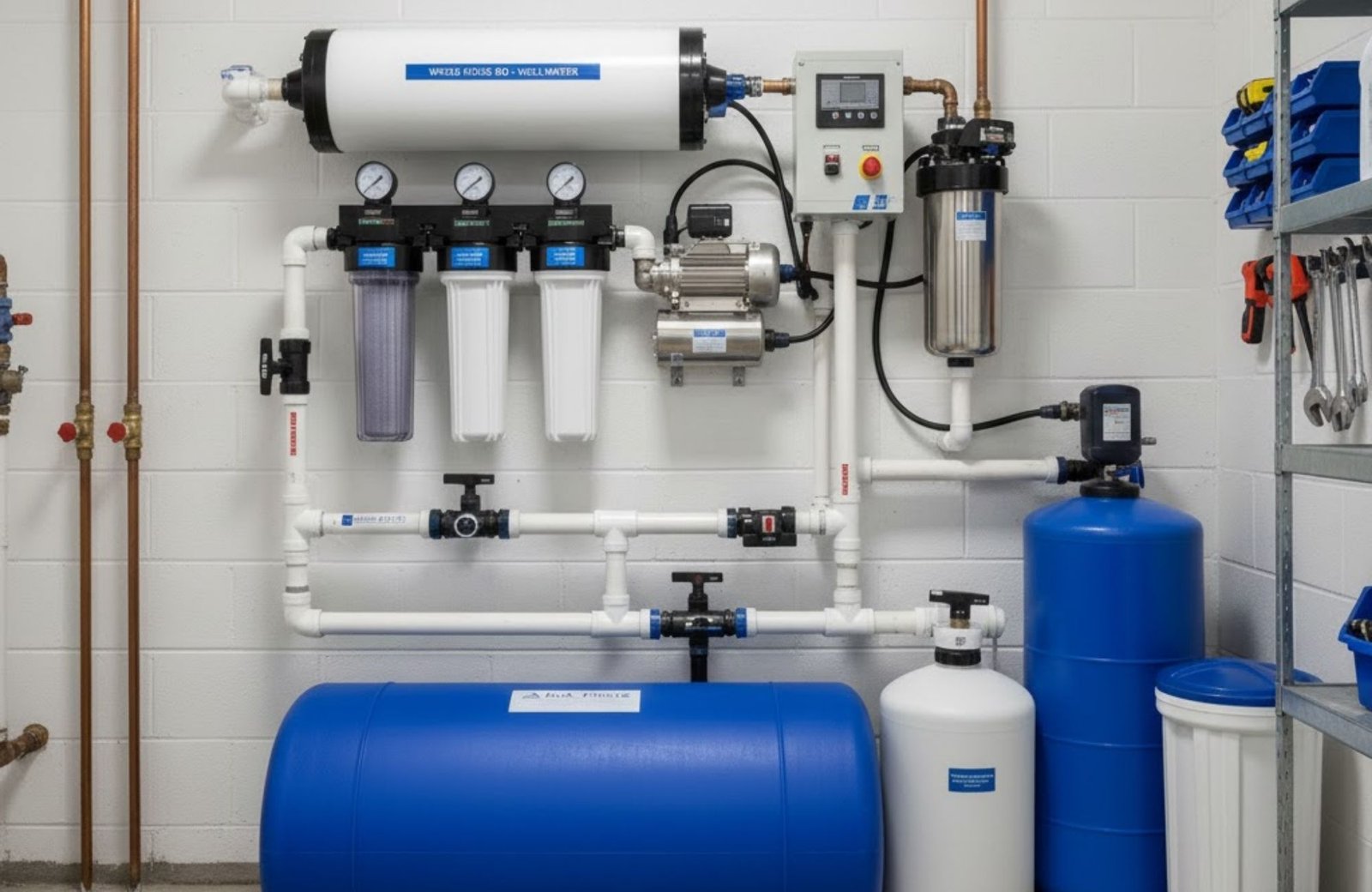
A whole-home system becomes more attractive when the issue affects multiple fixtures and household activities.
The objective isn’t to treat every drop of water with every available technology. It’s to use enough treatment to solve the actual problem.
Maintenance Is Easy to Forget
Water treatment equipment doesn’t take care of itself forever.
Filters eventually fill with sediment. Carbon media becomes exhausted. Softener systems require salt and periodic attention. Reverse osmosis membranes need replacement.
It’s easy to forget these things because most treatment equipment sits quietly in a basement, utility room, garage, or beneath a sink.
Set reminders and keep a simple record of service dates.
A neglected system may provide less benefit than expected, regardless of how impressive its specifications looked when it was installed.
Test Before You Guess
The smartest approach to household water quality is usually the least dramatic one.
Observe what you’re experiencing. Test the water when appropriate. Identify the likely cause. Then choose treatment designed for that particular issue.
If you’re dealing with hardness, address hardness. If you’re dealing with sediment, filter sediment. If taste and odor are the concern, choose a technology suited to those compounds.
This sounds obvious, yet it’s surprisingly easy to get distracted by long lists of features and promises.
Water Quality Is Part of Everyday Living
Water touches almost everything in a home.
You drink it, cook with it, shower in it, wash clothes with it, clean dishes with it, and send it through appliances every day. That makes water quality worth understanding—not because every household has a serious problem, but because small issues can become expensive or annoying when ignored.
The best treatment strategy is rarely the one with the most equipment.
It’s the one that fits the water.
Test when needed, understand what the results mean, choose the appropriate technology, and keep the system maintained. Once everything is properly matched, water treatment becomes what it should have been all along: a quiet improvement to everyday life, rather than another household problem demanding attention.