Most people don’t think much about what’s inside their drinking water until something changes. A strange taste, an unusual smell, cloudy appearance, or stubborn staining can turn an ordinary glass of water into a small question mark.
But even when water looks and tastes perfectly normal, homeowners may still want a clearer picture of its quality.
That’s where testing becomes useful. Rather than guessing which filter might solve a problem, testing can identify specific characteristics that deserve attention. And when the results come from an independent source, the information can feel much easier to trust.
Water treatment should begin with facts, not fear.
Why Water Testing Matters
Water can contain substances that aren’t visible to the eye.
Hardness minerals, sediment, metals, disinfectants, and other dissolved substances may all influence how water behaves. Some are mainly cosmetic or related to taste. Others may deserve closer attention depending on concentration and exposure.
A home test can provide a starting point, but the quality and scope of the testing matter.
If you’re trying to make an informed treatment decision, you want results that tell you something useful rather than simply confirming that “water contains minerals.”
The more specific the information, the easier it becomes to choose appropriate treatment.
Don’t Judge Water by Appearance
Clear water isn’t automatically problem-free.
A glass can look perfectly clean while containing dissolved substances that can’t be seen. Likewise, a slight odor doesn’t necessarily tell you exactly what’s causing it.
This is why relying entirely on your senses can lead to the wrong conclusion.
Taste and appearance are useful clues, but they’re not analytical tools.
Testing provides another layer of understanding, especially when homeowners are considering equipment that could remain in service for years.
Independent Testing Can Add Confidence
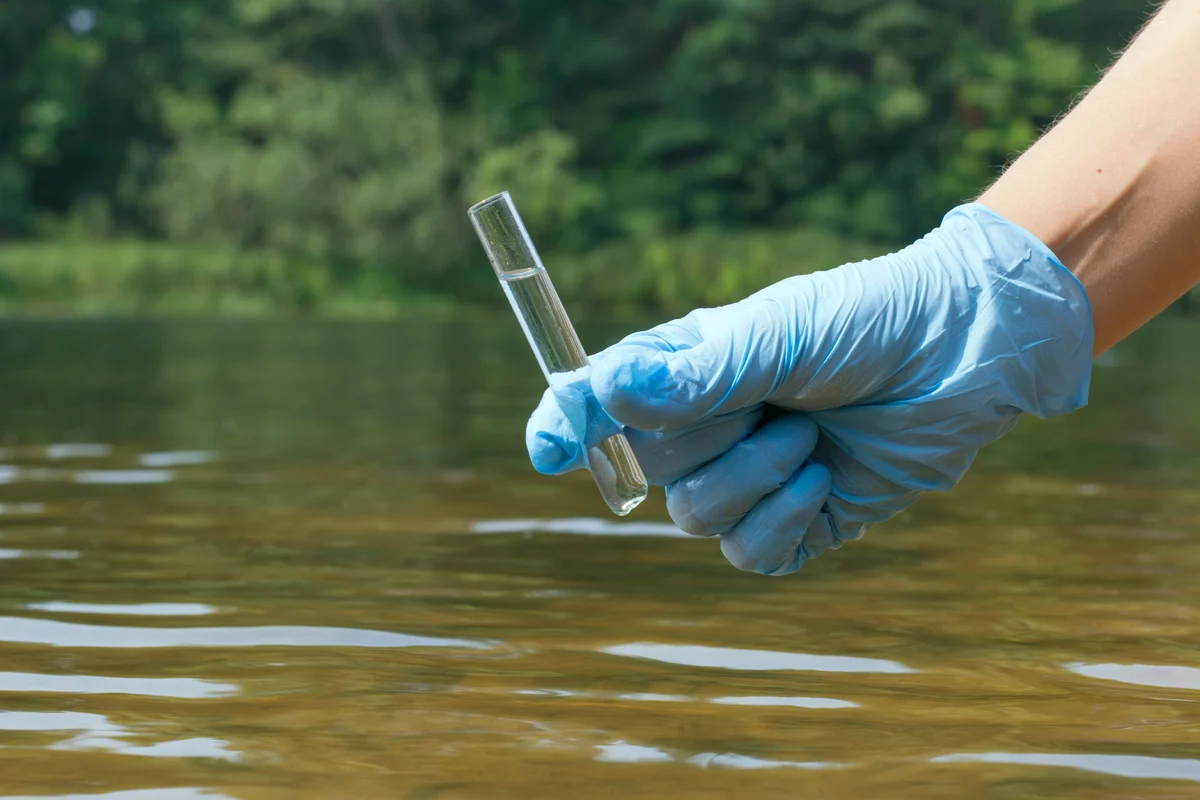
When evaluating water quality, third party laboratory testing can provide an independent perspective.
A laboratory that isn’t selling you a particular filtration system has less incentive to make the results fit a specific product recommendation. That separation can be valuable when you’re trying to determine whether treatment is actually necessary.
Independent testing can also help establish a baseline.
If you later install treatment equipment, you have a clearer way to compare the original water with the treated water.
That’s much more useful than simply being told that the water is “better.”
What Should Be Tested?
There isn’t one universal test that makes sense for every home.
The appropriate panel depends on the water source and the reason for testing.
Municipal water may warrant a different approach from private well water. A homeowner concerned about hardness may need different information from someone investigating a persistent odor or staining.
Depending on the situation, testing may include hardness, pH, iron, manganese, sediment, bacteria, chlorine, dissolved substances, and other parameters.
The important thing is to understand what each test actually tells you.
A long laboratory report isn’t necessarily better if none of the results relate to your concerns.
Basic Testing Has Its Place
Simple water testing can be useful for identifying common characteristics.
For example, a homeowner might discover that their water is moderately or highly hard. That information can help explain scale around faucets and the difficulty getting soap to lather.
Another test might reveal elevated iron, which could explain orange staining.
These relatively straightforward findings can often point toward practical treatment options.
But there are situations where homeowners want to investigate beyond the basics.
That’s where broader testing can become valuable.
Looking Beyond the Basics
The phrase non-basic contaminants can sound intimidating, but it simply reflects the fact that water quality isn’t limited to the handful of characteristics people commonly discuss.
Depending on the location, water source, plumbing, and environmental conditions, homeowners may have reasons to investigate additional substances.
The exact testing should be determined by credible water-quality guidance and the circumstances of the property rather than by a generic list of scary-sounding chemicals.
This is another reason independent professional advice can help.
The goal isn’t to create anxiety. It’s to understand what is actually relevant.
Private Wells Require Ongoing Attention
Well owners generally have more responsibility for monitoring their water because there isn’t a municipal utility managing treatment for the household.
Well-water conditions can change due to seasonal weather, groundwater movement, nearby land activity, or changes to the well itself.
Regular testing can establish whether the water remains consistent.
If something changes—such as a new odor, unusual color, or noticeable taste—testing can help determine whether the change is temporary or something that requires further investigation.
Well water isn’t inherently problematic. It simply deserves active attention.
Municipal Water Still Deserves Consideration
Homes connected to public water systems receive water that has undergone treatment before distribution.
That provides important protection, but homeowners may still notice taste, odor, hardness, or other characteristics.
Municipal water reports can provide useful information about the broader supply. Testing at the household level may add another perspective, particularly when a homeowner has a concern that isn’t explained by the public report.
The difference can sometimes come down to plumbing.
Water travels through pipes before reaching the tap, and the condition and material of household plumbing can influence what comes out.
Testing Should Guide Treatment
One of the biggest mistakes homeowners make is purchasing equipment before identifying the problem.
If you install a softener when the primary issue is taste, you may be disappointed. If you install an advanced membrane system when all you needed was sediment filtration, you’ve spent more money than necessary.
Testing can help avoid that.
Think of it like going to a mechanic because your car is making a strange noise. You wouldn’t necessarily replace the entire engine before someone figures out where the noise is coming from.
Water treatment deserves the same basic logic.
Diagnose first. Treat second.
Ask What a Treatment System Actually Removes
Once you have test results, use them to compare treatment technologies.
Ask providers to explain exactly what their equipment is designed to reduce.
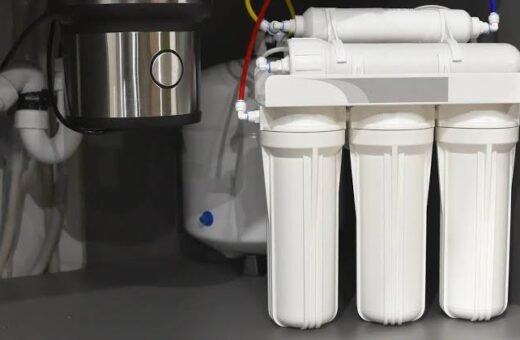
A sediment filter isn’t the same as a carbon filter. A water softener isn’t the same as reverse osmosis. Ultraviolet treatment serves a different purpose again.
Don’t settle for vague statements such as “purifies everything.”
Specific claims are much more useful.
If possible, ask for performance data, maintenance requirements, expected replacement intervals, and operating conditions.
Don’t Ignore Maintenance
Testing doesn’t become irrelevant once treatment equipment is installed.
In fact, periodic testing can sometimes help confirm that equipment is continuing to perform as expected.
Filters eventually become saturated. RO membranes wear over time. Softener settings may need adjustment. Other components can require service.
If treated water suddenly tastes different or the system’s flow decreases, investigate.
A treatment system is only useful when it continues doing the job it was designed to do.
Cost Shouldn’t Be the Only Consideration
Some water testing may be free, particularly when offered as part of a service consultation or promotional program.
That can be a convenient starting point, but it’s important to understand what the test includes.
Free doesn’t automatically mean comprehensive, and paid doesn’t automatically mean superior.
Ask which parameters are being tested, where the sample is analyzed, and whether you receive actual numerical results.
If you’re making a major treatment decision, transparency is more valuable than a low price tag.
Be Careful With Overly Dramatic Claims
Water-quality marketing sometimes relies heavily on fear.
A salesperson may suggest that every untreated glass of tap water is dangerous or that an elaborate filtration setup is essential for every household.
Be skeptical of sweeping statements.
Water quality is highly dependent on the source and specific conditions. A credible professional should be able to explain what was found, why it matters, and which treatment addresses it.
You shouldn’t need to be frightened into buying equipment.
Good information should make you feel more informed, not more anxious.
What Good Testing Ultimately Provides
The biggest benefit of water testing isn’t a piece of paper filled with numbers.
It’s clarity.
You learn what you’re dealing with. You can separate genuine concerns from assumptions. You can compare treatment options more intelligently and avoid equipment that doesn’t solve your particular problem.
That clarity can also make conversations with water-treatment professionals much more productive.
Instead of saying, “My water seems strange,” you can discuss specific findings and ask targeted questions.
That’s a much better starting point.
A More Thoughtful Way to Approach Water Quality
Clean, reliable household water doesn’t necessarily require a complicated treatment system.
It starts with understanding the source, paying attention to changes, and testing when there is a reason to know more.
Independent laboratory analysis can be especially useful when you want objective information before making a significant treatment decision.
From there, keep things practical. Choose technology based on actual water conditions. Understand what each component does. Learn the maintenance requirements. Re-test when circumstances or water quality change.
In the end, the smartest approach isn’t about treating every possible thing that could theoretically be in water.
It’s about treating the things that are actually relevant to your home.
And sometimes, that little bit of information is all you need to stop guessing and start making a genuinely informed decision.