A water treatment system is one of those household investments that tends to disappear into the background. Once it’s installed and the water tastes better, you stop thinking about it. That’s actually a good thing.
Until, of course, the faucet slows to a trickle.
Or the water starts tasting different. Maybe scale returns to the showerhead, or you suddenly realize you can’t remember the last time anyone changed a filter.
The equipment itself is only part of the equation. Regular maintenance has a lot to do with how well a filtration or softening system performs over the years. Fortunately, keeping up with it doesn’t have to mean spending every weekend in the utility room.
A sensible routine, a calendar reminder, and a little attention to the warning signs can go a surprisingly long way.
Begin With the Filter
Filters are designed to capture or reduce specific substances, and they have a limited service life. Once their capacity is reached, performance can decline.
That’s why following a cartridge-change schedule is so important. The right interval depends on the filter type, water quality, household consumption, and manufacturer recommendations.
Don’t assume every cartridge needs changing every six months. One household may go longer, while another with heavy sediment or high water use may need replacements more frequently.
Keep a note of the date when each cartridge is installed. A reminder on your phone is often enough.
And if water pressure or taste changes before the expected replacement date, investigate. The filter may be loading faster than anticipated.
Not All Filtration Systems Need the Same Care
The phrase water filtration covers a surprisingly broad range of technologies.
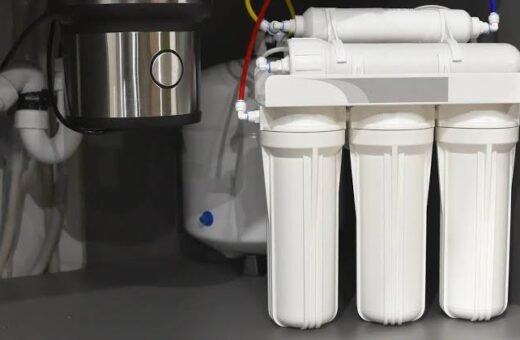
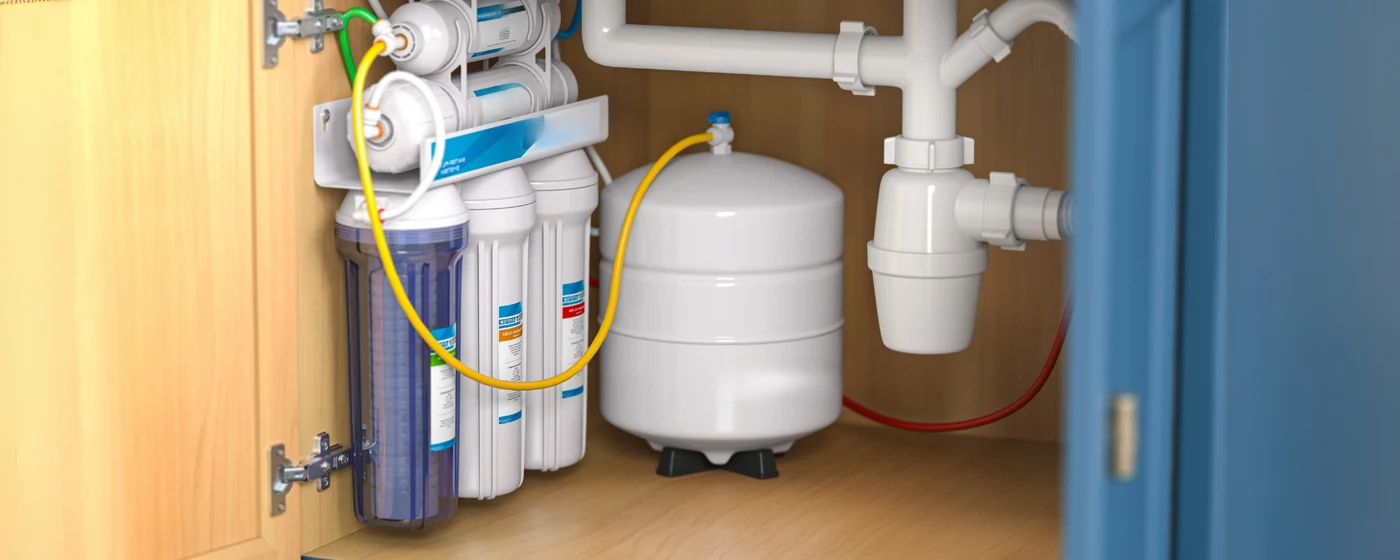
A basic sediment filter may require frequent cartridge replacement. Activated carbon systems have their own capacity limits. Reverse osmosis systems typically include several stages that require different types of maintenance.
Understanding what each component does makes maintenance much easier.
For example, if an RO drinking-water faucet suddenly produces water very slowly, replacing the membrane immediately might not be necessary. A clogged sediment or carbon prefilter, inadequate pressure, or another component could be causing the problem.
Troubleshooting the system in a logical order can save money and prevent unnecessary replacements.
Softening Equipment Has Its Own Routine
Hard water creates a different kind of maintenance challenge.
Calcium and magnesium can produce scale on fixtures and inside appliances. Softener systems are designed to reduce hardness, but they need attention to continue doing that job effectively.
Salt-based softeners require an adequate supply of salt or regenerant. The exact amount and replenishment schedule depend on the equipment, water hardness, household consumption, and system settings.
Don’t simply keep pouring salt into the brine tank without checking its condition. Bridging or other issues can prevent proper regeneration.
If you notice hard-water scale returning after the system has been working well, that can be a sign that the equipment needs inspection or adjustment.
Watch the Water Pressure
Pressure changes are one of the easiest warning signs to overlook.
A gradual reduction in flow from a filtered faucet may indicate that a cartridge is becoming clogged. In a whole-home system, pressure changes can become noticeable at showers and other fixtures.
However, filtration equipment isn’t always the culprit.
Partially closed valves, plumbing restrictions, pressure problems, or issues elsewhere in the home can produce similar symptoms.
If the pressure changes suddenly, check the simple things first. Make sure valves are fully open and inspect filters before assuming expensive equipment has failed.
Keep an Eye on Leaks
A small drip under the sink might not seem urgent. Give it enough time, though, and it can damage cabinetry or flooring.
During routine filter changes, inspect housings, tubing, connections, valves, and tanks for signs of moisture.
Make sure replacement cartridges are seated correctly and housings are tightened according to the manufacturer’s instructions. Over-tightening isn’t necessarily better and can damage components or seals.
If an O-ring looks worn or damaged, replace it when appropriate rather than hoping it will last another year.
A two-minute inspection can prevent a much bigger cleanup.
Maintenance Starts With Clean Installation
Good maintenance becomes easier when the original installation was thoughtfully planned.
Equipment should have enough clearance for filter replacement and inspection. Shutoff valves should be accessible. Drain lines should be properly configured where required.
If a technician installed the system, ask what components need regular attention and where they’re located.
This knowledge is useful later, especially if you have to troubleshoot a problem on a busy weekday morning.
A system shouldn’t require detective work just to figure out where the filter is.
Don’t Ignore Unusual Taste or Odor
Changes in water taste or smell can be signs that a filter needs attention, but don’t automatically assume that’s the explanation.
Municipal water conditions can change temporarily. Plumbing work can disturb sediment. Private well conditions can change with rainfall or groundwater movement.
If the change affects several fixtures, investigate the incoming supply as well as the treatment equipment.
If the problem is isolated to one faucet, the fixture or local plumbing may be involved.
Water quality is a system, not just a filter cartridge.
Keep Track of Replacement Parts
It’s frustrating to discover that you need a replacement cartridge on a Saturday afternoon and then realize the correct part isn’t available locally.
Keep a spare of commonly replaced filters if the manufacturer permits reasonable storage.
Record model numbers and filter specifications somewhere accessible. A photo of the product label stored on your phone can be surprisingly useful.
This isn’t glamorous organization, but it makes routine maintenance much less stressful.
Private Wells Need Regular Attention
Homes supplied by private wells have additional responsibilities.
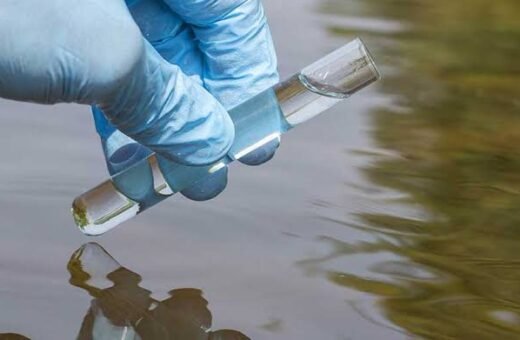
Groundwater quality can change over time, and well owners should consider periodic testing appropriate to their location and circumstances. Testing can identify changes that aren’t obvious from taste or appearance.
Treatment equipment should be maintained alongside the well itself.
If a system was installed several years ago, don’t assume it remains perfectly matched to today’s water conditions. Changes in the well, groundwater, or household demand may justify retesting and reviewing the setup.
Sometimes the equipment is fine. The water has simply changed.
Don’t Turn Maintenance Into Guesswork
Online advice can be helpful, but your equipment’s manufacturer’s instructions should remain the primary reference.
Replacement intervals, cleaning procedures, pressure requirements, sanitation methods, and compatible components can vary between systems.
Using the wrong cartridge because it “looks close enough” isn’t worth the risk.
If you’re uncertain about plumbing connections, electrical components, persistent leaks, or unexplained water-quality changes, professional assistance is usually the sensible option.
Knowing when not to DIY is part of good maintenance too.
A Few Minutes Can Prevent Bigger Problems
Water treatment maintenance isn’t difficult when it becomes routine.
Check filters. Record replacement dates. Monitor water pressure. Look for leaks. Keep softening equipment supplied and properly adjusted. Follow service recommendations. Pay attention when water quality changes.
That’s the heart of it.
You don’t need to obsess over every component or constantly worry that something is about to fail. You simply need to give the system occasional attention before small problems turn into expensive ones.
And there’s something satisfying about that kind of maintenance. A filter gets changed, a valve gets checked, the cabinet stays dry, and the water keeps flowing normally.
No drama. No emergency.
Just a quiet little system doing its job—exactly as it should.