Good water treatment shouldn’t feel like a science project sitting in the corner of your house.
For most homeowners, the expectation is pretty ordinary: turn on the tap and get water that looks, smells, and tastes right. You don’t want to think about scale every time you wash a glass. You don’t want to wonder why the showerhead keeps collecting chalky buildup. And you certainly don’t want to discover that an appliance has been struggling because of a water-quality issue that went unnoticed for years.
The funny thing is, water problems often creep up quietly. They’re rarely dramatic at first. A little residue here, a strange taste there, perhaps a filter that’s overdue for replacement. Eventually, those small things become annoying enough that you start looking for answers.
The good news? A practical approach can make home water care much easier.
Start by Paying Attention to Small Changes
Your home can tell you quite a bit about its water if you know what to look for.
White deposits around faucets may point toward hard water. A metallic taste can have several possible causes. A rotten-egg odor may suggest hydrogen sulfide in some well-water situations. Cloudiness or visible particles deserve attention too, particularly if they’re persistent.
None of these signs automatically identifies a specific problem. That’s important.
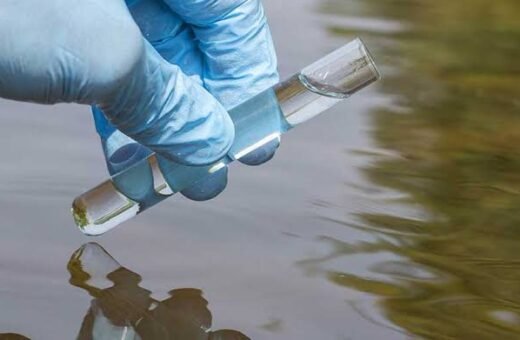
Instead of assuming, use them as reasons to investigate. A water test can provide a much clearer picture and help you avoid spending money on equipment that doesn’t address the actual issue.
Sometimes the simplest step is also the most useful one.
Choose Equipment Around the Problem
There’s a natural temptation to shop for the most advanced-looking equipment. Big tanks, impressive specifications, complicated controls — they can certainly look reassuring.
But bigger isn’t automatically better.
A water system should be selected around the characteristics of your water and the needs of your household. If hardness is the main concern, a softener may be appropriate. If you’re dealing with sediment, filtration could be more relevant. Drinking-water concerns may call for a separate point-of-use solution.
The right setup can be surprisingly straightforward when the problem is clearly understood.
Think of it like fixing a car. You wouldn’t replace the engine because the windshield wipers stopped working. Water treatment works the same way: identify the issue first, then choose the tool designed for it.
Hard Water Can Become a Daily Nuisance
Hard water is one of those problems people often tolerate for years before doing anything about it.
At first, it’s just spots on the shower glass. Then you notice scale around the faucet. Soap seems to leave more residue. Laundry may feel different. Eventually, you start wondering why cleaning the bathroom has somehow become a full weekend activity.
Hardness is primarily associated with minerals such as calcium and magnesium.
A water softener can reduce these minerals through ion exchange. That can help minimize scale and make water behave differently during everyday tasks.
The benefit isn’t just cosmetic. Less mineral buildup can also make maintenance easier for certain water-using appliances and fixtures.
It’s a small household improvement that can have a surprisingly wide reach.
Don’t Let Salt Become an Afterthought
If you use a traditional salt-based softener, keeping the salt supply at a reasonable level is part of normal ownership.
And yes, it’s one of those chores that’s incredibly easy to forget.
You might check the system one weekend, notice the salt is getting low, tell yourself you’ll take care of it next Saturday, and then suddenly realize three weeks have passed.
A salt delivery program can remove some of that hassle. Depending on the service, salt can be delivered according to a schedule or based on estimated household usage.
For busy households, that’s not a trivial convenience. Having supplies arrive before you run out can make routine system care much less annoying.
Of course, homeowners who prefer buying and adding salt themselves can continue doing that. The important thing is consistency.
Filtration Is Not One-Size-Fits-All
“Water filter” sounds like a simple category, but it really isn’t.
Different filters are built for different jobs.
Sediment filtration can help reduce suspended particles. Activated carbon is commonly used for certain taste and odor concerns and can reduce some chemicals depending on the product. Specialized treatment technologies may be designed for particular contaminants.
That’s why reading the label matters.
Don’t choose a filter solely because it promises “cleaner water.” Find out what it has actually been tested or certified to reduce.
If a water test has identified a particular concern, match the treatment technology to that concern.
It may take a little extra research, but it’s much better than buying something that looks impressive and discovering later that it wasn’t designed for your situation.
Whole-Home and Drinking-Water Treatment Can Work Together
Not every water concern needs to be handled at the same point.
A whole-home system can address issues affecting showers, laundry, appliances, and other fixtures. Meanwhile, a drinking-water system can provide additional treatment where water is consumed directly.
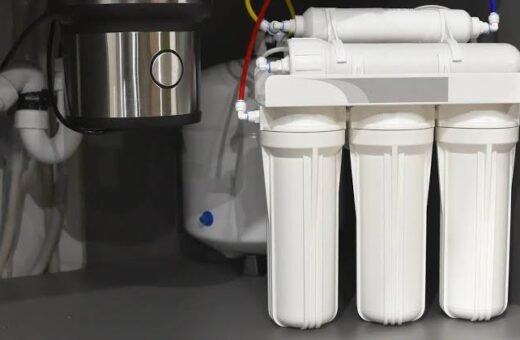
Reverse osmosis is one example of point-of-use treatment. These systems can reduce various dissolved substances, depending on the membrane and overall design.
This layered approach can make sense when household water needs aren’t all the same.
After all, the water used to wash a car doesn’t have exactly the same requirements as the water you pour into your coffee mug.
Maintenance Is Where Reliability Really Comes From
Even excellent equipment needs some attention.
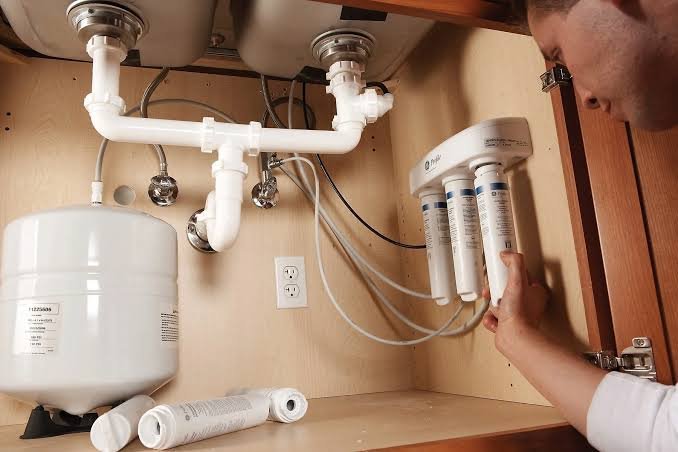
Filters get dirty. Salt gets used. Membranes eventually need replacement. Connections and components may need inspection from time to time.
The key is not to make maintenance complicated.
Keep a simple record of filter replacement dates. Check salt levels periodically if you have a salt-based softener. Pay attention to changes in taste, pressure, odor, or performance.
And don’t ignore small warning signs.
If your water suddenly tastes different, your softener seems less effective, or a filter becomes clogged much faster than usual, there’s probably a reason worth investigating.
Regular maintenance is generally easier — and cheaper — than waiting for a complete system failure.
Think About the Long-Term Cost
The initial purchase price is only one piece of the puzzle.
Before choosing equipment, consider ongoing expenses such as filters, salt, electricity, service visits, replacement parts, and eventual component replacement.
A system that costs less at installation may require more frequent maintenance. Another may have a higher upfront cost but lower routine expenses.
There’s no universal answer.
What matters is understanding what you’ll actually be paying for over the life of the equipment.
Also consider whether the manufacturer or service provider offers meaningful support. Having someone to call when something goes wrong can be worth more than a small difference in the original purchase price.
Good Water Treatment Should Feel Almost Invisible
The best home improvements aren’t always the ones you notice every day.
A good water treatment setup should eventually become part of the background. You maintain it when necessary, replace consumables when they’re due, and otherwise get on with your life.
That’s really the goal.
You shouldn’t have to constantly think about whether your showerhead is accumulating scale or whether your drinking water tastes strange. The equipment should quietly handle the problems it’s designed to address.
Of course, no system can solve every possible water-quality issue. That’s why testing, proper equipment selection, installation, and maintenance all matter.
Make the Choice Based on Your Home
There is no single water-treatment setup that makes sense for every household.
Your water source, plumbing, household size, existing equipment, budget, and specific concerns all play a role.
Start with information rather than assumptions. Test the water when appropriate. Identify the issues that actually matter to you. Then look for equipment designed to address those issues.
And remember, you don’t have to solve everything at once.
Sometimes the smartest improvement is one that fixes a specific problem today while leaving room to make other improvements later.
Better water doesn’t necessarily require a complicated setup. It requires a thoughtful one.
Once the right equipment is in place and maintained properly, you may barely think about it — which, for something as essential as water, is probably exactly how it should be.