Water is one of those things we rarely think about until something seems off. Maybe the tap water has a strange smell in the morning, leaves a metallic aftertaste in your coffee, or makes a glass look slightly cloudy. These details can be easy to ignore, but they often influence how comfortable people feel about drinking water at home.
A reliable filtration system can make a meaningful difference. It isn’t just about producing water that looks clear. Depending on the technology used, filtration can address certain impurities, improve sensory quality, and provide a more consistent experience for drinking, cooking, and preparing beverages. The key is understanding what your water contains and choosing a treatment method that matches the problem.
What Water Filtration Can Actually Do
Water filtration refers to a range of processes designed to remove or reduce unwanted substances from water. Some filters are built to capture physical particles, while others use materials or membranes that target dissolved contaminants.
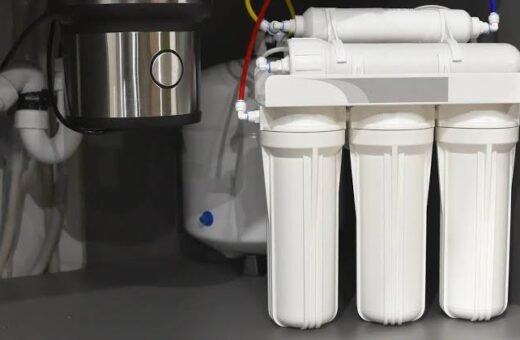
For example, sediment filters can trap sand, dirt, rust, and other suspended particles. Activated carbon filters are commonly used to reduce chlorine and certain organic compounds. Reverse osmosis systems use pressure and a specialized membrane to reduce many dissolved substances.
The results depend on the filter’s design, its certification, the condition of the incoming water, and how well it is maintained. No single filter removes everything, which is why selecting a system based on actual water-quality needs is more useful than choosing one simply because it has a long list of features.
Reducing Unwanted Contaminants
One of the main reasons homeowners install filtration systems is to reduce contaminants that may affect water quality. These can include sediment, chlorine, certain metals, dissolved salts, and other substances, depending on the source water and treatment technology.
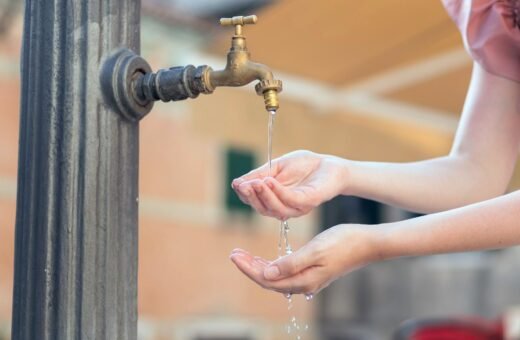
Municipal water is generally treated before reaching homes, but that doesn’t mean every household has identical water conditions. Aging plumbing, storage tanks, and local infrastructure can influence what comes out of a faucet. Well water can present a different set of concerns, including naturally occurring minerals, iron, or other substances that require testing.
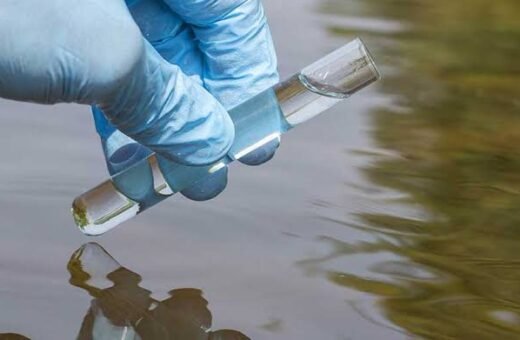
A water test is a sensible first step. It can help identify which contaminants are present and in what concentration. From there, a homeowner can select a filter designed to address those specific concerns instead of paying for treatment that may not be necessary.
The Difference Filtration Makes to Odors
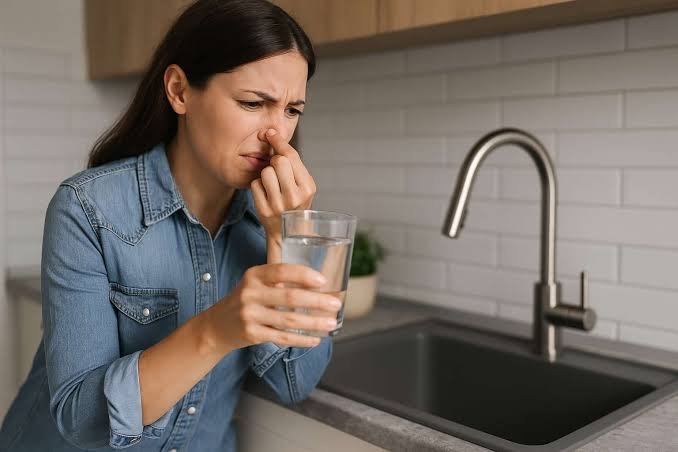
Unpleasant water odors can turn a simple task, such as filling a glass, into something people would rather avoid. A chlorine-like smell is one common complaint, especially in areas where disinfectants are used in public water treatment. Other odors may be associated with organic compounds, sulfur, or conditions affecting private wells.
Certain activated carbon filters can eliminate odors by adsorbing compounds responsible for unwanted smells. Adsorption is different from ordinary absorption: instead of soaking substances up like a sponge, activated carbon holds certain compounds on its highly porous surface.
Still, odor problems shouldn’t automatically be blamed on the water supply. A sudden or unusual smell may indicate an issue with plumbing, a storage tank, or the source itself. If the odor is persistent, strong, or accompanied by a change in color or taste, testing and professional advice are worth considering before simply installing a filter.
Why Taste Matters More Than People Expect
Taste may not sound like a serious water-quality issue, but it affects everyday habits. If water tastes unpleasant, people may drink less of it or rely more heavily on bottled beverages. Even small changes can be noticeable in tea, coffee, soups, and other recipes where water is a major ingredient.
A suitable filtration system can improve taste by reducing substances that contribute to bitterness, metallic notes, chlorine flavor, or other unwanted characteristics. Activated carbon is often useful for this purpose, while reverse osmosis may be appropriate when dissolved solids or certain other impurities are a concern.
Of course, taste is subjective. Some minerals contribute to the natural flavor of water, and removing too much can make it taste flat to certain people. The goal isn’t necessarily to strip water of everything, but to create a cleaner, more pleasant balance based on the household’s preferences and water chemistry.
Understanding Different Filtration Technologies
Choosing a water filter becomes easier when you understand what each technology is designed to do. Sediment filters are useful for removing suspended particles and protecting downstream equipment. They are often used as an initial stage in multi-stage systems.
Activated carbon filters are widely used to reduce chlorine, odors, and certain organic chemicals. They are especially popular in drinking-water systems because they can improve the sensory qualities of water without requiring a complicated setup.
Reverse osmosis systems take a different approach. They use a semi-permeable membrane to reduce many dissolved substances, including certain salts and metals. These systems can be effective for specific water-quality concerns, but they also produce wastewater and require periodic maintenance.
Ultraviolet treatment is another technology used in some systems, particularly where microbial concerns exist. UV treatment is intended to inactivate certain microorganisms rather than remove sediment or dissolved chemicals. That distinction matters when building a complete treatment plan.
Whole-Home or Drinking-Water Filtration?
Not every household needs the same type of system. A point-of-use filter, such as an under-sink unit, treats water at a specific faucet and may be suitable for drinking and cooking. It can be a practical option when the main concern is the quality or taste of water consumed directly.
A whole-home filtration system treats water as it enters the property. This may be useful when sediment, odor, or other water-quality issues affect multiple fixtures. It can also help protect appliances and plumbing, depending on the type of treatment installed.
The decision should be based on the problem being addressed, the home’s water usage, installation requirements, and long-term maintenance costs. A larger system isn’t automatically better if the household only needs targeted drinking-water treatment.
Maintenance Keeps Filtration Effective
A filter cannot work indefinitely without attention. Over time, cartridges become loaded with the substances they capture, and membranes may experience scaling or reduced performance. A neglected system can lead to slower flow, changes in taste, or higher operating costs.
Replacing filters according to the manufacturer’s recommendations is essential. Some systems also require sanitization, pressure checks, membrane inspection, or other servicing. The correct schedule depends on the system and the quality of the incoming water.
Homeowners should also watch for changes that happen between maintenance visits. A sudden drop in water pressure, unusual odor, or unexpected taste may be a sign that a filter needs replacement or that the source water has changed.
Making a Thoughtful Choice
Water filtration is most effective when it begins with information rather than guesswork. Testing the water, identifying the contaminants of concern, and understanding the capabilities of different technologies can prevent unnecessary spending and disappointing results.
A good system should fit the household’s needs, budget, and maintenance habits. Whether the goal is cleaner-tasting drinking water, fewer unpleasant odors, or targeted contaminant reduction, the right approach is one that treats the actual problem.
In the end, water quality is about more than what comes out of the faucet. It affects cooking, hydration, appliances, and everyday comfort. With the right filtration technology and regular care, homeowners can make their water more enjoyable and build a solution that continues working long after installation day.