A private well can feel wonderfully simple. Turn on the tap, fill a glass, take a shower, and get on with your day. There’s no municipal water bill to think about, and the water seems to appear almost magically from beneath your property.
But groundwater has a story of its own.
It moves through soil and rock, picks up minerals, interacts with the well and plumbing, and can change as seasons and surrounding conditions change. Most of those changes aren’t visible. That’s why a clear glass of water doesn’t necessarily tell you everything you need to know.
For well owners, testing isn’t about becoming paranoid about every drop. It’s about replacing assumptions with useful information.
Your Water Can Change Without Looking Different
One of the trickiest things about private wells is that water quality isn’t always obvious.
Water may look perfectly clear while containing elevated minerals, nitrate, microorganisms, or other substances that require attention. At the same time, cloudy water may sometimes be caused by harmless air bubbles rather than contamination.
Taste and odor can provide clues, but they’re not reliable tests.
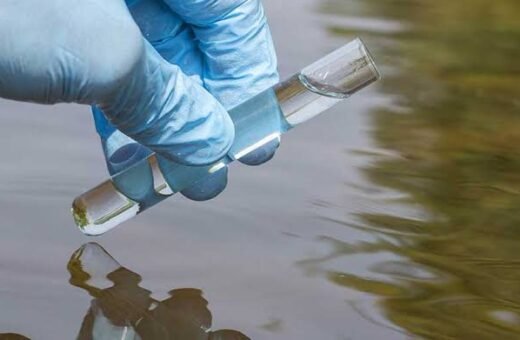
That’s why well water testing is such an important part of responsible well ownership. Laboratory analysis can identify characteristics that your eyes and nose simply can’t detect.
It also gives you a baseline. Once you know what your water normally contains, future changes become easier to recognize.
What Should You Test For?
There isn’t one universal test panel for every private well.
The appropriate testing depends on local conditions, the well’s construction, nearby land use, previous test results, and any symptoms you’re noticing.
Common tests may include bacteria, nitrate, pH, hardness, iron, manganese, and other minerals or contaminants.
If the property is near agricultural activity, for example, nitrate testing may deserve particular attention. If the water leaves orange staining, iron and manganese may be worth investigating.
The point isn’t to test everything simply because you can.
It’s to test intelligently.
A local laboratory, health department, or qualified water professional can help determine which tests are appropriate for your circumstances.
Bacteria Deserve Special Attention
Microbial contamination is one of the reasons well testing should not be based solely on appearance.
Certain bacteria can enter a well through surface-water intrusion, damaged components, poor drainage, flooding, or other pathways.
If a well has been flooded or damaged, testing can be especially important.
A bacterial concern shouldn’t be addressed by simply installing a random filter and assuming the problem is solved. Depending on the cause and type of contamination, the appropriate response may involve disinfection, well repair, and follow-up testing.
This is one area where professional guidance is worth taking seriously.
Hard Water Isn’t the Same as Unsafe Water
Homeowners sometimes hear that their water is “hard” and assume something must be wrong with it.
Hardness is primarily associated with calcium and magnesium. At common household levels, these minerals aren’t generally considered a health concern, but they can create plenty of practical problems.
You may notice white scale around faucets, spots on dishes, soap that doesn’t rinse easily, or deposits inside water heaters.
A water softener can reduce hardness when the level is high enough to cause problems.
But softening isn’t the same as making contaminated water safe.
That’s an important distinction.
Iron Can Create a Very Visible Problem
Iron is another common groundwater characteristic.
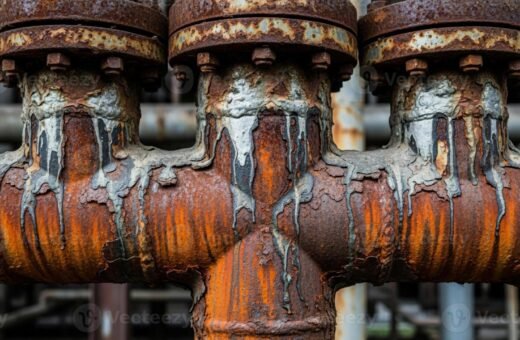
Depending on its concentration and chemical form, iron can cause orange, reddish, or brown staining. It can affect laundry, sinks, toilets, and fixtures.
Some iron is dissolved and becomes visible only after exposure to air. Other forms may already be present as particles.
Treatment depends on the form and concentration.
A basic sediment filter may help with particulate iron, while dissolved iron may require oxidation or other specialized treatment.
Again, testing gives you the information needed to choose intelligently.
Taste and Odor Can Tell You Something
Your senses aren’t a substitute for laboratory analysis, but they can still be useful warning signs.
A sudden metallic taste, sulfur-like odor, salty flavor, or unusual smell may indicate a change in the water chemistry or something happening inside the plumbing or water heater.
For example, a rotten-egg odor that appears mainly in hot water may have a different source from the same odor appearing in both hot and cold water.
Pay attention to when the problem occurs.
Is it only at one faucet? Every fixture? Hot water only? After the water has been sitting overnight?
Those details can help a professional narrow down the cause.
Don’t Ignore Sediment
Seeing particles in a glass is hard to overlook.
Sediment may include sand, silt, rust, or other material. A small amount can sometimes be managed through filtration, but a sudden increase shouldn’t simply be ignored.
Changes in sediment can sometimes be related to the well, pump, groundwater conditions, or plumbing.
A sediment filter may protect the household while the issue is investigated, but the filter shouldn’t become an excuse to avoid finding out why the sediment appeared.
If something changes suddenly, investigate it.
Your Well’s Location Matters
Groundwater conditions aren’t isolated from the surrounding property.
Agricultural operations, septic systems, construction, fuel storage, flooding, drainage patterns, and other land uses can influence potential risks.
That doesn’t mean living near a farm or septic system automatically makes your water unsafe.
It means the surroundings are part of the bigger picture.
When interpreting test results, professionals often need to know what’s happening around the well, not just what’s happening inside the house.
Treatment Should Follow the Test Results
It’s easy to shop for a water-treatment system before understanding the problem.
That’s backwards.
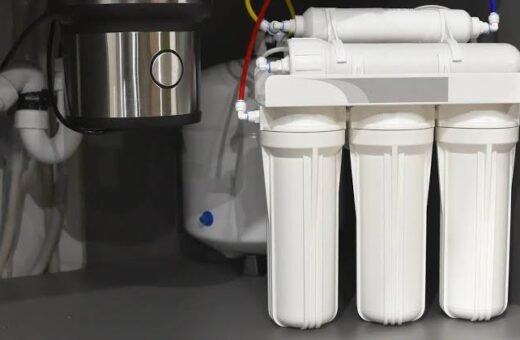
Different treatment technologies target different issues. Carbon filtration can address certain tastes and odors. Sediment filters capture particles. Softening addresses hardness. Reverse osmosis can reduce many dissolved substances. UV systems can provide microbial control in appropriate applications.
These systems aren’t interchangeable.
A well-designed treatment plan begins with the water and works toward the equipment.
Not the other way around.
Professional Installation Can Prevent Future Headaches
Once the right treatment has been selected, installation still matters.
A system connected to the main water line needs proper sizing, plumbing connections, bypass arrangements, drainage, and enough room for future service.
That’s why professional installation can be especially valuable for whole-house systems or more complicated treatment equipment.
An installer should think beyond the first day.
Can the filter be changed easily? Is the equipment accessible? Is the pressure adequate? Are the connections secure? Can the system be bypassed during maintenance?
Those details might seem minor until you’re the person trying to service equipment wedged into an impossible corner.
Keep a Record of Your Water
You don’t need a binder full of technical documents, although some well owners enjoy that sort of thing.
A simple record is enough.
Keep copies of test results, note when filters were changed, record well repairs, and write down any major changes in taste, odor, staining, or pressure.
Over time, this creates a useful history.
If your water changes two years from now, you’ll have something to compare it with.
What If Your Test Results Are Normal?
That’s actually good news.
A test doesn’t have to uncover a problem to be useful.
Normal results provide a baseline and reassurance. They can also prevent you from spending money on treatment you don’t need.
If the water tastes good, tests are satisfactory, and there are no significant household issues, the best solution may simply be routine monitoring and well maintenance.
You don’t need to fix what isn’t broken.
Good Well Ownership Starts With Knowing Your Water
A private well gives you control over your household water supply, but that control comes with responsibility.
Pay attention to changes. Maintain the well and its equipment. Test according to appropriate recommendations. And when something unusual appears, investigate before making assumptions.
Most importantly, remember that water quality concerns aren’t always visible.
The clearest glass can still benefit from testing, while a cloudy glass may have a completely harmless explanation.
Knowledge makes the difference.
When you understand what is actually in your water, you can choose treatment with confidence, avoid unnecessary equipment, and keep your well system working properly for years to come.
That’s a much better strategy than waiting for a strange smell or stained sink to force the question.
Sometimes the smartest water-treatment decision is simply knowing what’s in the glass before deciding what to do about it.