Water is one of those things we rarely think about until something seems wrong. You turn on the tap to fill a glass, prepare a meal, or take a shower, expecting the water to be clean and dependable. But an unusual smell, visible particles, or an unpleasant taste can quickly raise questions. Is the water safe? Does it need treatment? And which system will actually make a difference?
The answers depend on where your water comes from and what’s in it. Some households deal with sediment and cloudiness, while others notice chlorine odors or mineral buildup. There’s no single filter that solves every water concern, so understanding the available options is a sensible place to begin.
Why Water Quality Deserves Attention
Water travels a long way before reaching many household taps. Municipal supplies undergo treatment and monitoring, while private wells depend on the condition of the groundwater and the maintenance of the well itself. Even after treatment, water can interact with pipes, storage tanks, and household plumbing.
Changes in taste, smell, or appearance can offer clues, but they don’t tell the whole story. Water that looks perfectly clear may still contain contaminants that require testing to identify. On the other hand, cloudy water may simply contain tiny air bubbles that disappear after standing for a few moments.
A practical approach starts with observation. Notice whether the issue affects one faucet or every tap, whether it occurs only with hot water, and whether it began after plumbing work or a supply interruption. These details can help narrow down possible causes.
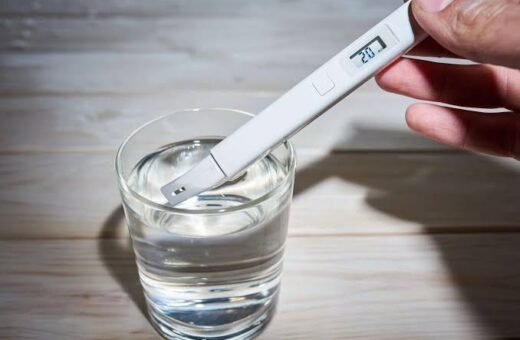
If you’re concerned about safety, arrange appropriate water testing rather than relying on appearance alone. Private well owners should follow local recommendations for routine testing, while municipal customers can review their supplier’s water quality report and investigate any unusual household-specific changes.
What Does Chlorine-Free Water Really Mean?
Chlorine is widely used to disinfect municipal drinking water and help control harmful microorganisms as water moves through the distribution network. This protection is important, although some people dislike the swimming-pool-like smell or taste that chlorine can sometimes create.
For households looking to improve taste and odor, chlorine-free water is often a phrase used to describe water in which chlorine has been reduced or removed through treatment. Activated carbon filtration is one common method, but its effectiveness depends on the filter design, water flow, contact time, and maintenance.
It’s worth understanding that removing chlorine from water isn’t automatically the same as making it safer. Chlorine serves a purpose in public water systems, and reducing it at the tap should be considered in the context of the treatment method and the water’s intended use.
Some utilities use chloramine instead of free chlorine. A filter designed to reduce chlorine may not be equally effective against chloramine, so homeowners should check the manufacturer’s specifications before purchasing equipment.
If the main concern is drinking-water taste, a point-of-use filter may be enough. If the odor is noticeable throughout the home, a properly sized whole-house treatment system could be worth evaluating. The right choice depends on the water supply, household demand, and the specific results you want.
Understanding Specialty Filter Media
Not all filters work in the same way. Some physically trap particles, others use adsorption to capture certain substances, and specialized systems may rely on chemical reactions or biological processes. The treatment method matters because different contaminants require different approaches.
Certain manufacturers develop proprietary media for use in their filtration equipment. These materials may be engineered to target particular substances, improve filtration performance, or support a specific treatment process. Their effectiveness, however, should be judged by documented performance rather than the name or marketing description alone.
When comparing systems, ask which contaminants the media is designed to reduce, what operating conditions are required, and how often the media must be replaced or serviced. Independent certifications and clear performance data can help you evaluate whether a product is appropriate for your needs.
It’s also important to consider what happens after installation. A filter that performs well under laboratory conditions may deliver different results if the water flow is too high, the media is exhausted, or maintenance is neglected. A good installer should explain these limitations in straightforward language.
How Filtration Helps With Sediment and Cloudiness
Water sometimes carries fine particles from natural sources, aging plumbing, or disturbances in a distribution system. These particles may include sand, silt, rust fragments, and other suspended material. Depending on their size and concentration, they can make water appear hazy or leave deposits in fixtures.
A sediment filter can capture particles within its rated filtration range, helping protect downstream equipment and improving the water’s appearance when suspended solids are responsible for the problem.
Some treatment systems are designed to reduce turbidity, which refers to the cloudiness caused by suspended particles in water. The results depend on the filter type, particle size, incoming water conditions, and correct operation. A sediment filter won’t necessarily remove dissolved minerals, chemicals, or microorganisms.
Persistent cloudiness deserves attention before you select equipment. If the water changes suddenly, contact your water supplier or a qualified professional to investigate the cause. Where contamination is suspected, use a known-safe alternative until you receive reliable advice.
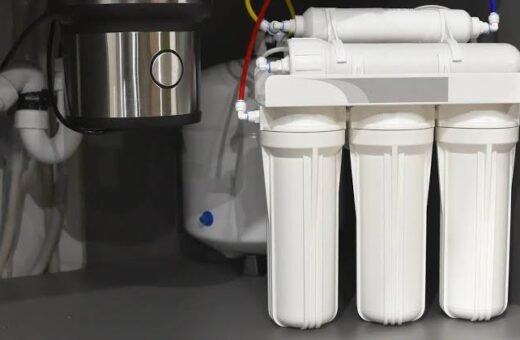
For homes with recurring sediment problems, a staged treatment setup may be useful. A prefilter can capture larger particles before water reaches finer filtration equipment. This arrangement may help protect more sensitive components, but the system still needs appropriate sizing and maintenance.
Choosing Between Point-of-Use and Whole-House Filtration
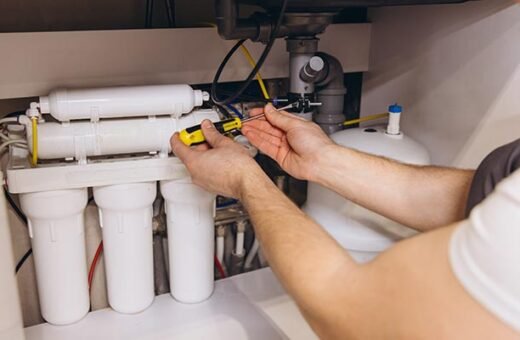
A point-of-use system treats water at a particular location, such as the kitchen sink. These systems are often practical when the main goal is improving drinking-water taste or reducing a specific contaminant used for cooking and drinking.
Whole-house systems treat water as it enters the property, supplying treated water to multiple fixtures. They may be useful when the concern affects showers, laundry, plumbing, or several taps. However, they generally involve greater installation costs and may require more space and maintenance.
The decision shouldn’t be based on the size of the equipment alone. Consider your daily water use, incoming pressure, available installation space, replacement-part costs, and the results of your water test.
Be cautious of claims that one filter removes everything. No single technology addresses every possible contaminant, and some systems require additional stages to achieve the intended result. Ask for specific performance information and make sure the proposed equipment matches your water conditions.
Maintenance Is Part of the Solution
Even a high-quality filtration system needs regular care. Cartridges can become clogged, carbon media can lose effectiveness, and some systems require periodic cleaning or backwashing. Ignoring maintenance can reduce performance and increase running costs.
Before purchasing a system, find out how frequently filters need replacement, whether the required parts are readily available, and what routine servicing involves. Keep a simple record of installation dates and maintenance visits. It’s a small habit that can prevent missed replacements and unexpected problems.
A qualified water treatment professional can also help determine whether follow-up testing is appropriate. This is particularly important when the system is intended to reduce a contaminant that may affect health.
Making a Confident Choice for Your Home
Better water doesn’t necessarily require the most expensive equipment or the most complicated installation. It begins with understanding the problem, testing when necessary, and choosing treatment that fits your household.
If your main concern is taste, a suitable drinking-water filter may be enough. If sediment repeatedly affects several fixtures, a broader filtration system might make more sense. And if testing identifies a particular contaminant, select equipment specifically rated to address it.
Water quality is too important to leave entirely to guesswork. By asking informed questions, comparing documented performance, and keeping up with maintenance, you can make a practical decision that serves your household over the long term. The goal isn’t to install every available filter; it’s to have water you can use with greater confidence, day after day.