Most people don’t think much about underground utilities until something goes wrong. A water line breaks, a sewer backs up, or heavy rain sends runoff toward a place it shouldn’t go. Suddenly, the systems beneath the ground become very important, very quickly.
Good utility work is rarely about digging a trench and putting a pipe in it. There’s planning, site preparation, material selection, safety considerations, inspections, and a fair amount of problem-solving involved. When the work is done properly, it fades into the background. Roads stay usable, buildings get the water they need, and businesses can keep operating without thinking about what’s happening several feet below their feet.
That quiet reliability is really the goal.
Planning Matters More Than It Seems
Every property has its own challenges. Soil conditions can vary from one part of a site to another. Existing utility lines may not be exactly where old drawings suggest. Groundwater, traffic, weather and nearby structures can all affect how a project should be approached.
This becomes especially important with large-scale installations, where several utility components may need to be coordinated at once. A major commercial development, residential community or public infrastructure project might involve water, sewer, stormwater, electrical and communication systems. If one part is installed without considering the others, problems can show up later.
A thoughtful plan considers the whole site rather than treating each pipe or utility as an isolated job. It also gives crews a clearer idea of what they’re likely to encounter once excavation begins. Nobody likes surprises halfway through a project, especially expensive ones.
Choosing Materials for the Actual Conditions
Pipe materials aren’t interchangeable in every situation. The right choice depends on factors such as soil chemistry, expected loads, pressure requirements, temperature, installation method and the type of utility being carried.
For example, a line installed beneath a busy roadway has different demands from one running through a landscaped residential area. Similarly, a commercial property may experience substantially greater usage than a small home.
The goal isn’t simply to choose a strong material. It’s to choose something appropriate for the environment and expected service life.
Installation technique matters just as much. Even excellent materials can perform poorly when joints are improperly connected, bedding is inadequate or the surrounding soil isn’t compacted correctly. Underground mistakes have a funny way of becoming expensive surface problems later.
When Problems Can’t Wait
Utility failures don’t always happen during convenient business hours. A damaged main, major leak or sewer failure can interrupt operations, create safety concerns and potentially damage surrounding property.
That’s where emergency response services can make a meaningful difference. A rapid response starts with identifying what has actually failed. Shutting down a line may be necessary, but crews also need to understand which properties or systems are affected before taking action.
There’s often pressure to fix everything immediately, and understandably so. But rushing blindly can make things worse. Experienced crews balance speed with careful diagnosis. The first objective is to stabilize the situation. After that, the permanent repair can be planned properly.
For businesses, that distinction can be huge. A temporary measure that restores essential service while a permanent repair is arranged may prevent a relatively small failure from turning into a major operational headache.
Connecting Water and Sewer Infrastructure
New development depends on reliable utility connections from the beginning. Buildings can be beautifully designed, but they can’t function properly without dependable water and wastewater infrastructure underneath them.
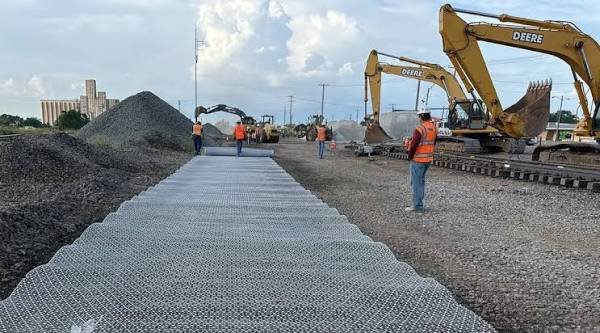
Modern water sewer construction requires coordination between site grading, utility layouts, structures and existing infrastructure. Crews have to consider pipe elevations, connection points, access requirements and future maintenance.
Getting elevations right is particularly important. Gravity-based sewer systems depend on proper slope, and even a seemingly small error can affect how efficiently wastewater moves through a line. Water systems, meanwhile, must be designed and installed to meet pressure and flow requirements appropriate for the property.
It’s the sort of work that doesn’t look particularly dramatic once finished. That’s partly the point. When everything is buried and the surface is restored, there may be very little evidence of how much planning went into it.
Working Around Existing Infrastructure
One of the trickiest parts of utility construction is dealing with what’s already there.
Older properties may have undocumented lines, abandoned pipes or infrastructure that has been modified over the years. Utility maps are helpful, but they shouldn’t always be treated as a perfect picture of what’s underground.
Before excavation, crews can use available records, utility locating methods and site observations to reduce uncertainty. Still, careful digging and good communication remain essential.
This matters even more in crowded commercial or urban environments. A mistake involving one utility line can affect many others. Damaging a communication cable, gas line or electrical service while working on another system can quickly turn a routine project into something much more complicated.
Good contractors respect the surrounding infrastructure. They don’t just focus on the pipe they were hired to install.
Safety Is Part of the Work, Not an Extra
Excavation carries genuine risks. Trenches can become unstable, heavy equipment operates around workers and underground utilities may present serious hazards if they’re disturbed.
A strong safety culture means more than wearing protective equipment. It involves planning excavation activities, understanding site conditions, maintaining safe access, identifying utilities and making sure workers know what they’re dealing with before work begins.
There’s also a responsibility to protect people who aren’t part of the crew. On active commercial sites, pedestrians, employees, customers and passing vehicles may all be nearby. Barricades, signage and controlled work areas can help keep everyone out of harm’s way.
Sometimes these precautions seem inconvenient. They’re still worth it.
Thinking About Maintenance Before the Job Is Finished
A utility system should be designed with its future in mind. Pipes eventually need inspection, valves may require servicing and access points need to remain accessible.
That’s why installation isn’t really the end of the story. Documentation, accurate as-built information and sensible access can make future repairs far easier.
Consider a valve that is buried beneath a finished parking area with no clear record of its location. Finding it years later could require unnecessary excavation and disruption. A little planning during the original project can prevent that headache.
The same principle applies to sewer access, cleanouts, stormwater structures and other underground components. Good infrastructure should be serviceable, not simply functional on the day it is completed.
Building for the Long Run
Utility construction is one of those fields where quality often goes unnoticed. When everything works, nobody talks about the pipe beneath the driveway or the sewer line under the road. But when something fails, everyone notices.
That’s why careful planning, suitable materials, skilled installation and responsible emergency support all matter. The strongest utility systems aren’t necessarily the ones that look impressive. They’re the ones that quietly do their job year after year.
Whether the project involves a new development, a commercial property, infrastructure upgrades or an urgent repair, the same basic principle applies: build it properly the first time whenever possible.
Underground work may disappear from view when the soil goes back in. The responsibility doesn’t disappear with it. What’s beneath the surface still has to carry the property, the people and the everyday routines that depend on it.