Water has a way of becoming noticeable only when something isn’t quite right. The coffee tastes a little strange. There are white spots on the dishes. A showerhead keeps collecting scale, or perhaps the water has an odor that wasn’t there before. None of these things necessarily means you have a major problem, but they’re good reasons to take a closer look.
Choosing a treatment system can feel confusing because there are so many options. Filters, softeners, membranes, whole-home equipment, under-sink units—the list goes on. And every product seems to promise better water.
But better water doesn’t come from buying the most complicated system. It comes from understanding what your water needs and matching the treatment to those needs.
Start With Your Water Source
Before choosing equipment, consider your water source. Municipal water and private well water can have very different characteristics, even when two homes are located relatively close to each other.
Public water supplies are generally treated and monitored before reaching households. Private wells, on the other hand, depend on local groundwater conditions and require homeowners to take a more active role in testing and monitoring.
Well water may have higher levels of hardness, iron, manganese, sediment, sulfur compounds, or naturally occurring contaminants. That doesn’t mean every well has these problems. It simply means assumptions aren’t a good substitute for testing.
Understanding where your water comes from gives you a much better starting point.
Testing Should Come Before Shopping
It’s tempting to browse treatment equipment first. After all, product pages are easier to read than laboratory reports.
Still, testing should come first whenever possible.
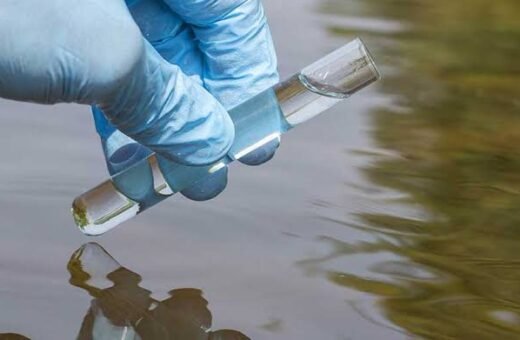
A water analysis can provide information about hardness, pH, iron, manganese, sediment, bacteria, nitrates, and other characteristics depending on the testing package. Some concerns can be seen or smelled, while others cannot.
Testing helps answer a simple question: what are you actually trying to treat?
Without that answer, it’s easy to spend money on equipment that solves one issue while leaving another untouched.
Reverse Osmosis Has a Specific Role
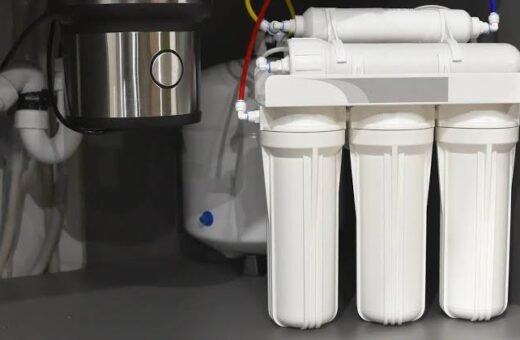
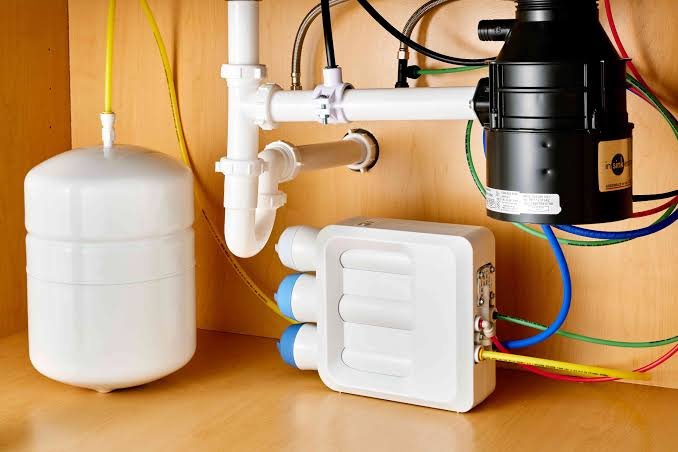
Reverse osmosis systems are widely used when homeowners want more extensively treated drinking water. These systems use a semipermeable membrane to reduce many dissolved substances from water.
They’re often installed at a kitchen sink, where treated water can be used for drinking, cooking, and making beverages.
Reverse osmosis isn’t necessarily the right solution for every household water problem. It isn’t primarily a hardness-treatment system, and it doesn’t replace every type of filtration or disinfection technology.
That distinction matters. A technology can be excellent at its intended job without being the universal answer.
Hard Water Is a Common Reason for Treatment
Hardness is caused mainly by minerals such as calcium and magnesium. At elevated levels, these minerals can create scale around faucets, showerheads, appliances, and water heaters.
You may notice it as white residue on glassware or a chalky ring around the sink. Over time, scale can become more than a cosmetic annoyance, particularly inside equipment that heats water.
Water softeners are commonly used to reduce hardness. They work differently from standard filters, which is why homeowners should know the actual hardness level before deciding on treatment.
For many households, reducing excessive hardness is less about drinking-water safety and more about making the home easier to maintain.
Household Size Affects System Selection
A treatment system also needs to match the household size.
A two-person home doesn’t use water in the same way as a family of five. The difference becomes particularly noticeable during peak periods, such as weekday mornings when showers, toilets, faucets, and appliances may all be running within a short period.
System capacity and flow rate should account for those demands. An undersized system may struggle when water use increases, while an unnecessarily oversized system can cost more without providing a meaningful benefit.
Good sizing isn’t glamorous. You won’t notice it on a product advertisement. But when a system is properly sized, everyday performance tends to be much smoother.
Decide Whether You Need Point-of-Use or Whole-Home Treatment
One of the most useful questions to ask is where the water problem actually occurs.
If the primary concern is drinking water, a point-of-use system may be enough. It focuses treatment where it matters instead of treating water used for toilets, showers, and outdoor activities.
If the problem affects multiple areas of the home—perhaps scale, odors, or sediment appearing at several faucets—a whole-home approach may be more appropriate.
There’s no universal winner.
Treating every gallon can be unnecessary if only the kitchen water needs additional treatment. But treating only one faucet won’t solve a water-quality problem affecting the entire plumbing system.
Match the scope of the solution to the scope of the issue.
Consider Flow and Water Pressure
Treatment equipment interacts with your home’s plumbing, so flow matters.
A filter that becomes heavily loaded with sediment can restrict water flow. An improperly sized system may also struggle during periods of high demand.
If you’ve noticed low pressure, don’t automatically assume the treatment system is the cause. Plumbing restrictions, clogged aerators, partially closed valves, and other issues can contribute as well.
This is another reason professional assessment can be useful. Good installation isn’t simply about connecting pipes. It involves understanding how the treatment equipment will work with the home’s existing plumbing.
Installation Is Part of the Investment
The system itself is only one part of the equation.
Proper installation can affect performance, reliability, and maintenance. Equipment needs to be positioned correctly, connections need to be secure, and drainage or electrical requirements need to be handled appropriately where applicable.
A homeowner should also receive clear instructions about operation and maintenance.
You don’t need to memorize every technical detail, but you should know what the system does, when filters or other components need attention, and what signs could indicate a problem.
Maintenance Keeps the System Useful
Water treatment equipment isn’t maintenance-free.
Filters need replacement. Reverse osmosis membranes have a service life. Softening systems may need salt and periodic checks. Other components may require cleaning or inspection.
The frequency depends on the equipment, water conditions, and household use.
Keep a simple record of replacements and service visits. If water pressure changes, odors return, or the taste seems different, investigate rather than waiting until the system stops working completely.
A little maintenance is usually easier—and cheaper—than a major repair.
Don’t Choose Based on Features Alone
Modern treatment systems can come with digital controls, sensors, automatic regeneration, multiple filtration stages, and plenty of other features.
Some of these features are genuinely useful. Others may simply make the product look more impressive.
Instead of asking which system has the longest feature list, ask whether those features solve a problem you actually have.
Find out what the system is designed to reduce, how much water it can handle, what maintenance it requires, and what ongoing costs you’ll face. Also ask about replacement parts and service availability.
The simplest suitable system can be a better investment than the most advanced unsuitable one.
Think About Long-Term Value
The initial purchase price is only part of the cost.
Replacement filters, membranes, salt, servicing, electricity, and repairs can all contribute to ownership expenses. A system that appears inexpensive at first may not remain inexpensive if its components are difficult to source or require frequent attention.
Consider the expected service life and support available after installation.
A good treatment system should be something you can live with comfortably for years, not a purchase that becomes a headache after six months.
Better Water Starts With a Better Decision
Choosing water treatment doesn’t have to be overwhelming. Start with the source, test the water, identify the actual concerns, and then compare technologies that are designed to address those concerns.
Think about household demand, installation requirements, maintenance, and long-term operating costs. If you aren’t sure what the results mean, ask a qualified professional to explain them.
There’s no need to chase every new piece of water-treatment technology. The goal is much simpler than that.
You want water that tastes good, behaves properly, supports your household routines, and doesn’t create unnecessary problems for plumbing or appliances.
When the system is correctly selected, properly installed, and regularly maintained, it tends to disappear into the background. And really, that’s the ideal outcome.
You turn on the tap, fill the glass, take your shower, start the dishwasher—and get on with your day.