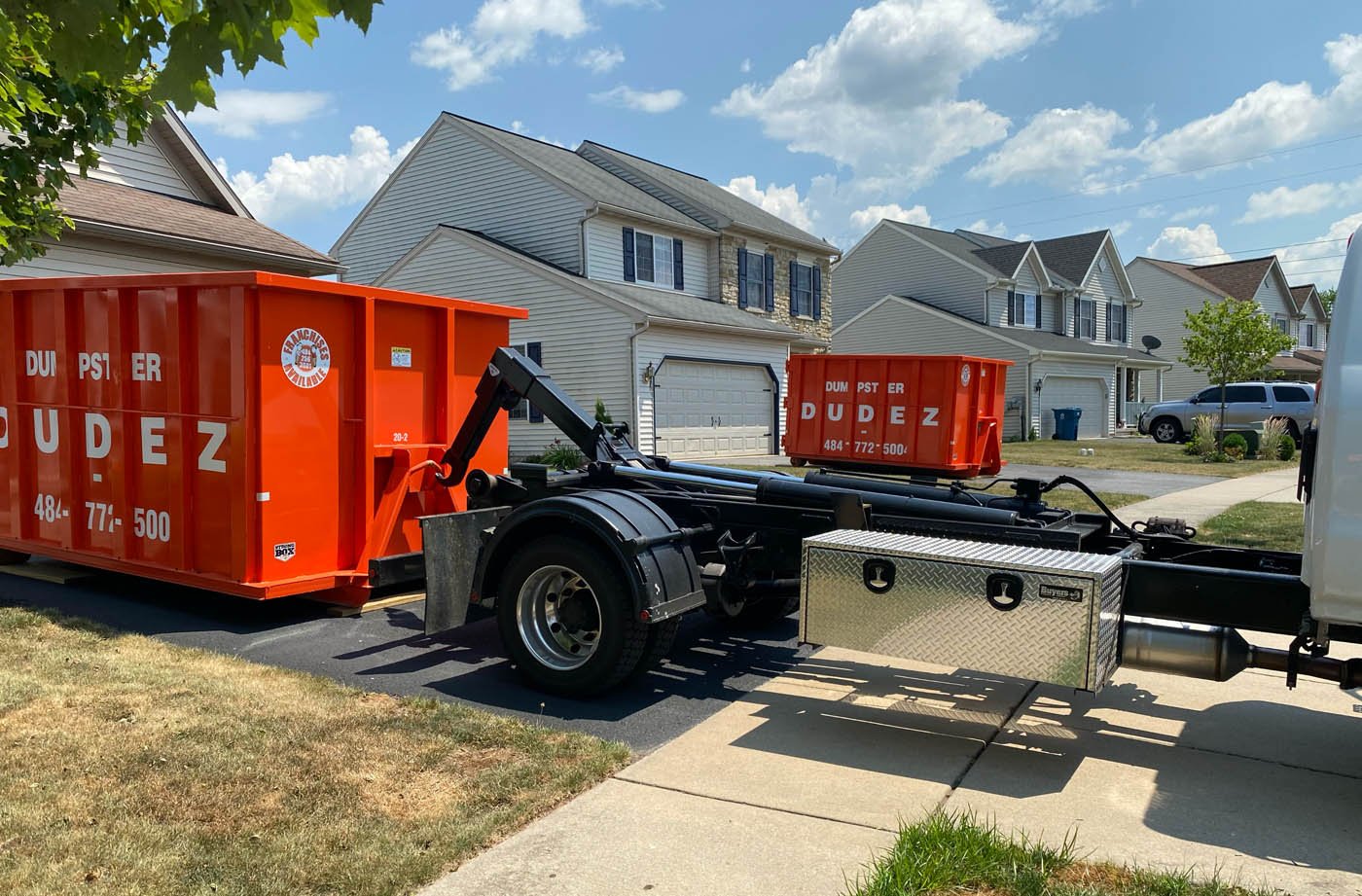
Big cleanup jobs have a way of growing once you get started. A property that looked manageable from the outside can reveal a garage full of forgotten furniture, an attic packed with boxes, or a backyard covered in branches and old materials. Construction projects are similar. The first few loads seem easy enough, and then suddenly there’s more debris than anyone knows what to do with.
That’s when disposal stops being a minor detail and becomes part of the project itself.
Good planning can make a huge difference. When waste has a clear destination, workers spend less time moving the same debris around, properties stay safer, and the final cleanup doesn’t feel like an entirely separate project.
Whether you’re dealing with a commercial renovation, estate cleanout, demolition, storm debris, or a large residential project, the basic idea is simple: understand what you’re removing before you start deciding how to remove it.
Begin With an Honest Waste Estimate
The first step isn’t renting a dumpster. It’s figuring out what the project will actually produce.
Walk through the property and make a rough inventory. Look for furniture, appliances, cardboard, drywall, wood, flooring, roofing, landscaping debris, and other bulky materials.
Don’t worry about getting an exact number. A realistic estimate is enough to start.
It also helps to think about density. A pile of cardboard can take up considerable space without weighing very much. Concrete or soil can be relatively compact but extremely heavy.
That distinction becomes important when choosing disposal equipment.
Why Large Cleanup Jobs Need More Planning
Large-scale waste removal isn’t simply a matter of putting more bags beside the curb.
When waste volume becomes substantial, ordinary collection methods may no longer be practical. Multiple trips, temporary storage areas, and scattered debris can slow down the entire project.
A dumpster creates one central location for suitable waste. Instead of repeatedly carrying debris to a distant pile or making trips to a disposal facility, workers can move material directly into the container.
That doesn’t eliminate the work, of course. It just makes the work more organized.
And sometimes organization is half the battle.
Think About the Type of Material
The kind of waste you’re removing should influence your disposal plan.
A household cleanout might contain furniture, clothing, boxes, and appliances. A remodeling project could generate cabinets, drywall, flooring, and fixtures. Landscaping work may produce branches, brush, and other outdoor debris.
Demolition can be even more complicated, with materials such as wood, metal, insulation, and masonry.
Some materials may require separate disposal or special handling.
Before the project begins, ask the waste provider what is accepted and what isn’t. This is especially important if you’re dealing with chemicals, paint, batteries, fuel, electronics, tires, or other potentially restricted materials.
Never assume that something can go into a standard dumpster simply because it fits.
Choosing a Dependable Dumpster
A dumpster is only useful when it arrives when you need it and gets removed when the job is finished.
For that reason, dependable dumpster rentals can make project planning considerably easier.
Imagine starting a demolition job Monday morning and discovering that the container won’t arrive until Tuesday. Debris still has to go somewhere, and that usually means creating an inconvenient temporary pile.
Reliability matters for homeowners, too. If you’re scheduling a weekend cleanout, a delayed delivery can throw off the entire plan.
When arranging service, confirm delivery timing, rental duration, pickup procedures, and any relevant access requirements.
Having those details clear before work begins reduces surprises later.
Choose the Right Dumpster Size
Bigger isn’t automatically better.
An oversized container may occupy unnecessary space and cost more, while a container that’s too small can fill before the job is finished.
Consider both the volume and weight of your debris.
For a property cleanout, estimate how much furniture and household material will be removed. For construction, think about the amount of demolition and installation waste expected. For storm cleanup, consider how much yard debris and damaged material may need to be collected.
If you’re unsure, describe the project to the provider.
A detailed explanation usually leads to a better recommendation than simply saying, “I need a big dumpster.”
Texas Projects Can Have Different Challenges
Weather, property size, construction activity, and local disposal requirements can all influence waste planning in Texas.
Large properties may create long distances between the work area and disposal container. Hot weather can make outdoor cleanup physically demanding, while severe storms can generate sudden amounts of debris.
The state also includes a wide range of communities and property types, from dense urban areas to sprawling rural locations.
That means a disposal setup that works perfectly for one project may not be practical for another.
Think about the actual property rather than relying on a one-size-fits-all approach.
Plan Where the Container Will Go
Dumpster placement can make a surprisingly large difference.
For a residential project, a driveway may be convenient, provided the surface is suitable and there’s enough room for delivery equipment.
For a commercial or construction site, placement should allow workers to move debris efficiently without interfering with machinery, entrances, loading zones, or emergency access.
Look overhead, too. Tree branches and utility lines can create delivery complications.
If you’re unsure whether a location works, discuss it with the provider before delivery day.
Moving a container after it’s been placed isn’t something you want to improvise.
Protect the Property
Dumpsters are heavy, particularly when filled.
If the container will sit on a driveway or another finished surface, ask whether protective measures are recommended.
Keep the surrounding area clear of vehicles and equipment during delivery and pickup.
Don’t attempt to move the dumpster yourself. Specialized trucks are designed for that job.
A little caution at the beginning can prevent an expensive repair later.
Load the Container Efficiently
Good loading isn’t about tossing everything inside as quickly as possible.
Break down large furniture when appropriate. Flatten cardboard. Dismantle cabinets and shelving if doing so is safe.
Place heavier material carefully and distribute it rather than creating one concentrated pile.
Keep the contents below the permitted fill level. Loose debris shouldn’t stick out over the sides where it could fall during transportation.
And never climb into the dumpster to rearrange material.
If something doesn’t fit safely, stop and find another solution.
Keep Recyclables and Reusable Items Separate
Large cleanup projects often uncover plenty of material that doesn’t need to become landfill waste.
Metal, cardboard, certain plastics, and other materials may be recyclable depending on local programs.
Furniture, appliances, fixtures, and building materials may also be reusable if they’re in good condition.
Set these items aside before the dumpster starts filling.
Once everything is mixed together, sorting becomes much more difficult.
A little organization can reduce waste volume while giving useful items another destination.
Storm Cleanup Requires Extra Care
Severe weather can create unusual hazards.
Fallen branches may hide damaged fencing or structures. Roofing debris can contain sharp nails and metal. Broken windows and damaged electrical equipment can create safety risks.
Don’t rush into cleanup immediately after a storm if the property hasn’t been inspected.
Downed power lines and unstable structures should be handled by qualified professionals.
Once the site is considered safe, sort the debris and follow the disposal provider’s instructions.
Storm cleanup can be exhausting, so having a central container can help keep the work area from becoming even more difficult to navigate.
Understand Weight Restrictions
Weight limits are one of the easiest things to overlook.
A dumpster filled with lightweight household items may be perfectly manageable. The same container filled with concrete, brick, dirt, or roofing material could become too heavy.
Ask about weight allowances before loading dense materials.
If you’re removing a substantial amount of heavy debris, the provider may recommend a specific container or disposal arrangement.
Knowing this beforehand can prevent unexpected fees and delays.
Don’t Forget the Rental Timeline
Projects rarely finish exactly when the calendar says they will.
A renovation may uncover hidden damage. Construction materials can arrive late. Bad weather can postpone outdoor work.
If you need the dumpster longer than expected, contact the provider before the scheduled pickup.
Understanding extension policies ahead of time gives you more flexibility.
Likewise, if the container fills earlier than expected, ask about an additional pickup or replacement.
The goal is to keep disposal moving along with the project.
Keep the Site Clean as You Work
Don’t wait until the final day to clean up.
Move suitable debris into the container regularly. Keep walkways clear and remove loose nails, broken glass, sharp metal, and other hazards from working areas.
A cleaner site is easier to work in.
It also helps everyone see how quickly the dumpster is filling, which can provide an early warning that more capacity may be needed.
A Better Cleanup Starts Before the First Load
Large waste projects can feel overwhelming, but they become much easier when disposal is treated as part of the plan.
Estimate the material. Consider weight. Choose an appropriate container. Arrange delivery around the project schedule and select a practical placement area.
Then stay flexible.
If the project changes, adjust the waste plan rather than forcing the original arrangement to work.
The best cleanup process is rarely the most complicated one. It’s the one that keeps debris contained, workers moving, and the property reasonably safe throughout the job.
Once the final load is gone, the difference is obvious. A space that was buried under debris becomes usable again.
And after all the lifting, sorting, carrying, and cleanup, that clear space is usually the part everyone was working toward from the start.