Choosing a roof can feel strangely complicated. From the ground, it seems simple enough: there’s a roof, it keeps the rain out, and that’s about it. Then you start getting estimates and suddenly you’re hearing about membranes, seams, insulation, attachment methods, drainage, coatings, ventilation and warranties.
It’s a lot to take in.
The good news is that you don’t need to become a roofing engineer to make a sensible choice. You just need to understand what the main options are, what your building actually needs, and which details deserve more attention before you sign a contract.
Roofing materials are designed for different situations. Some work especially well on residential properties, while others are commonly used on commercial low-slope buildings. Climate, roof design, budget and expected service life all play a part.
The best roof isn’t necessarily the newest or most expensive one. It’s the one that makes sense for the property.
Start With the Roof You Already Have
Before choosing a replacement system, understand the condition of the existing roof.
Is it leaking? Are there areas of ponding water? Have shingles started curling or losing granules? Are seams separating? Is the flashing deteriorating?
A professional inspection can reveal problems that aren’t visible from the ground. It can also help determine whether a repair, restoration or full replacement is appropriate.
This first step matters because installing new material over unresolved problems rarely creates a lasting solution.
Asphalt Shingles Remain a Practical Choice
For many residential properties, asphalt shingles remain one of the most familiar and practical roofing options.
They’re available in a wide variety of styles and price ranges, and homeowners can often find products suited to different aesthetic preferences and performance requirements.
Architectural shingles, for example, can provide a more dimensional appearance than traditional three-tab designs.
Still, the quality of installation matters. Proper underlayment, flashing, ventilation, fastening and roof preparation all contribute to performance.
It’s also important to understand that shingles aren’t simply a decorative surface. They’re part of a larger roofing assembly designed to manage water and protect the structure beneath.
Commercial Buildings Often Need a Different Approach
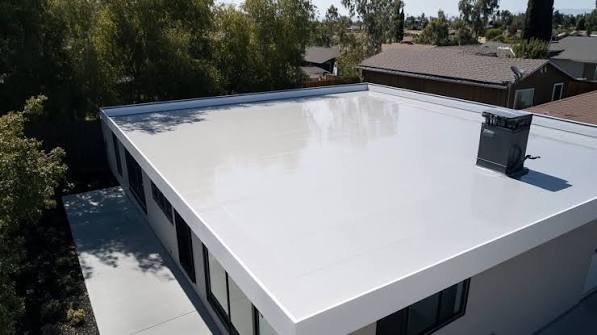
Commercial roofs frequently have low slopes that require specialized systems.
Instead of rows of overlapping shingles, these roofs may use large sheets or membranes designed to create a continuous water-resistant surface.
The choice can depend on the building’s size, existing roof assembly, insulation requirements, drainage, rooftop equipment and expected foot traffic.
This is one reason a commercial roofing project shouldn’t be approached exactly like a residential one.
The building itself should guide the decision.
TPO Is Popular for Low-Slope Roofing
Thermoplastic polyolefin, commonly known as TPO, is a single-ply membrane used widely on commercial and low-slope roofing systems.
It can provide a relatively durable and flexible surface, while heat-welded seams can create strong connections between membrane sections when installed correctly.
TPO is available in different thicknesses and configurations, allowing contractors to specify systems based on project requirements.
But don’t choose it simply because it’s popular.
Ask how the proposed membrane will work with your building’s insulation, drainage, rooftop equipment and existing substrate. Installation details can make a considerable difference in long-term performance.
PVC Offers Another Membrane Option
PVC, or polyvinyl chloride, is another single-ply roofing membrane commonly used on commercial buildings.
One reason contractors may recommend PVC is its resistance to moisture and certain chemicals, which can be useful in particular environments.
Like TPO, PVC roofing systems typically rely on heat-welded seams to create a continuous membrane.
The specific property and surrounding conditions still matter. A roofing professional should consider the building’s use, rooftop equipment, expected exposure and existing roof assembly before making a recommendation.
There isn’t a universal membrane that works perfectly for every building.
Don’t Overlook Insulation
When discussing roofing, it’s easy to spend the entire conversation talking about the outer material.
Insulation deserves attention too.
A properly designed roofing assembly can influence indoor comfort and energy performance. The right insulation strategy depends on the building, climate, existing assembly and applicable building requirements.
If you’re replacing a roof, ask whether the current insulation is adequate and whether improvements make sense.
Sometimes the roof replacement is an opportunity to address an issue that has been quietly affecting the building for years.
Drainage Can Make or Break Performance
Water needs somewhere to go.
This is particularly important on low-slope commercial roofs, where drainage systems play a major role.
Drains, scuppers, gutters and roof slopes need to work together to move water away efficiently.
If you repeatedly see large pools of water after rainfall, don’t simply assume that’s normal for a flat roof. Have the condition evaluated.
Ponding may result from blocked drains, inadequate slope, settlement or other issues.
A high-quality membrane won’t compensate for poor drainage design.
Installation Matters More Than Most People Realize
Roofing materials can have impressive specifications, but those numbers don’t guarantee a successful roof.
Poor seams, inadequate fastening, damaged substrates, incorrect flashing or careless detailing around penetrations can create problems regardless of the material selected.
When interviewing contractors, ask about their experience with the specific roofing system you’re considering.
Manufacturer training or certification may also be relevant depending on the product.
References from similar projects can tell you more than a polished sales presentation.
Think About Rooftop Equipment
Commercial roofs are rarely empty.
HVAC units, vents, pipes, electrical equipment and other systems often sit above the building.
Every penetration or piece of equipment creates another detail that the roofing system needs to accommodate.
If maintenance workers frequently access rooftop equipment, consider whether walk pads or designated pathways are appropriate.
It’s better to plan for foot traffic than discover punctures later.
Consider Your Local Weather
Climate should influence roofing decisions.
Strong sunlight, heavy rainfall, high winds, hail, temperature fluctuations and humidity can all affect materials differently.
A contractor familiar with local conditions should be able to explain how the recommended system is expected to perform.
Don’t be afraid to ask specific questions.
How does the material handle heat? What happens if a section is punctured? How are repairs performed? How often should the roof be inspected?
Those answers can help you understand what ownership will look like after installation.
Maintenance Doesn’t End When the Crew Leaves
A completed roof still needs attention.
Schedule periodic inspections, keep drains clear and address damage promptly. Watch for punctures, loose flashing, deteriorating seams and unusual ponding.
After severe weather, consider another inspection, especially if debris or rooftop equipment may have been affected.
Maintenance isn’t glamorous, but it can make a meaningful difference in how long a roofing system performs.
Compare Systems, Not Just Prices
When contractors provide estimates, avoid looking only at the final number.
Compare the entire roofing assembly.
What insulation is included? What membrane or shingle specification is proposed? How will the existing roof be removed? Is damaged decking included? What about flashing, drainage, cleanup and warranties?
A cheaper estimate may simply contain a smaller scope of work.
Ask questions until the differences are clear.
Look at Long-Term Value
The cheapest roof isn’t necessarily the most affordable roof over its full life.
Consider installation costs, maintenance, expected service life, energy performance, repair requirements and warranty coverage.
A somewhat higher initial investment may make sense if the system is better suited to the building and expected to perform reliably.
At the same time, there’s no reason to overspend on features your property doesn’t need.
Good roofing decisions are about balance.
Choose a Contractor Who Explains Things Clearly
You should be able to ask a roofing contractor why they’re recommending a particular system and receive an understandable answer.
Look for relevant experience, appropriate insurance and licensing where required, clear estimates and straightforward communication.
Be cautious of anyone who pressures you to decide immediately or refuses to explain what’s included in the proposal.
A major roofing project deserves a little thought.
The Right Roof Is About Fit, Not Hype
Asphalt shingles, TPO and PVC can all be useful roofing solutions when they’re selected for the right application and installed correctly.
The material is only one piece of the puzzle.
The building, climate, drainage, insulation, installation quality and maintenance plan all matter. When those pieces work together, a roof can provide dependable protection without demanding constant attention.
And really, that’s what most property owners want.
Not a roof that gets compliments every morning. Just one that quietly keeps the weather outside, protects what’s underneath, and continues doing its job year after year.