Water treatment can sound like a subject reserved for engineers. There are membranes, carbon media, ultraviolet lamps, ozone, softeners, specialty cartridges and enough technical terminology to make an ordinary homeowner wonder whether a glass of tap water really needs a science degree.
Usually, it doesn’t.
The smarter approach is to begin with a simple question: What is actually wrong with the water? Maybe it has an unusual taste. Perhaps there’s sediment floating in a glass after heavy rain. You might be dealing with mineral scale, or you may have a specific concern that requires more focused treatment.
Once the problem is understood, choosing technology becomes much easier. Instead of buying the most elaborate system available, you can select something that matches your water, your household and your budget.
Start With a Water Test
Before shopping for equipment, get familiar with the water itself.
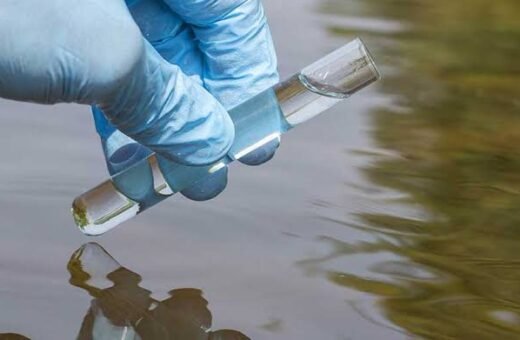
A laboratory analysis can reveal characteristics that aren’t obvious from appearance or taste. Depending on the source, testing may examine hardness, pH, iron, manganese, dissolved solids, bacteria and other parameters.
Private well owners have a particularly good reason to make testing part of routine maintenance because their water isn’t being monitored through a municipal treatment program.
Even if you’re connected to a public supply, testing can be useful when there are persistent taste, odor or plumbing-related concerns.
The goal isn’t to test for everything under the sun. It’s to identify the characteristics that matter for your situation.
Taste and Odor Are Often the First Complaints
Let’s be honest: most people don’t think about water chemistry until their coffee tastes weird.
Chlorine and chloramines can influence the taste and smell of municipal water. Sulfur compounds can create a rotten-egg odor in some wells. Iron may produce a metallic flavor and orange staining.
These concerns aren’t necessarily signs that the water is unsafe. But they’re legitimate reasons to look into filtration.
For many taste and odor issues, activated carbon water filtration can be a practical option. Carbon media can adsorb certain organic compounds and substances responsible for unpleasant tastes and odors.
Different carbon products perform differently, though. Contact time, filter size and the specific contaminant all influence results.
So, again, the details matter.
When Disinfection Becomes the Priority
Filtration and disinfection aren’t the same thing.
A filter may remove particles or reduce certain chemicals, while a disinfection system is designed to control microorganisms.
Ultraviolet technology is one commonly used approach. UV treatment exposes microorganisms to ultraviolet light, disrupting their ability to reproduce.
Ozone is another technology used in some water-treatment applications. It introduces ozone into water, where its strong oxidizing properties can help address certain microorganisms and compounds.
For homes or facilities where microbial control is an identified requirement, uv / ozone disinfection may be considered as part of a broader treatment strategy.
The important point is that disinfection equipment needs to be properly sized and maintained. A UV lamp that has reached the end of its service life isn’t something to ignore, and ozone systems have their own operational requirements.
Not Every Filter Does the Same Job
The word “filter” can be misleading because it covers a huge range of technologies.
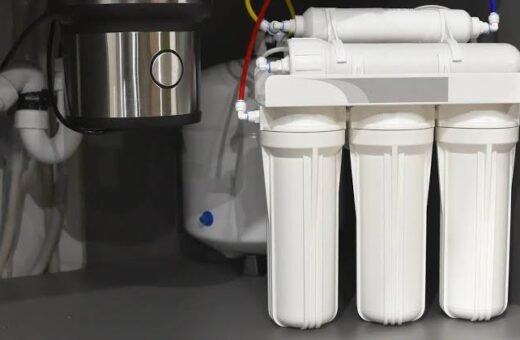
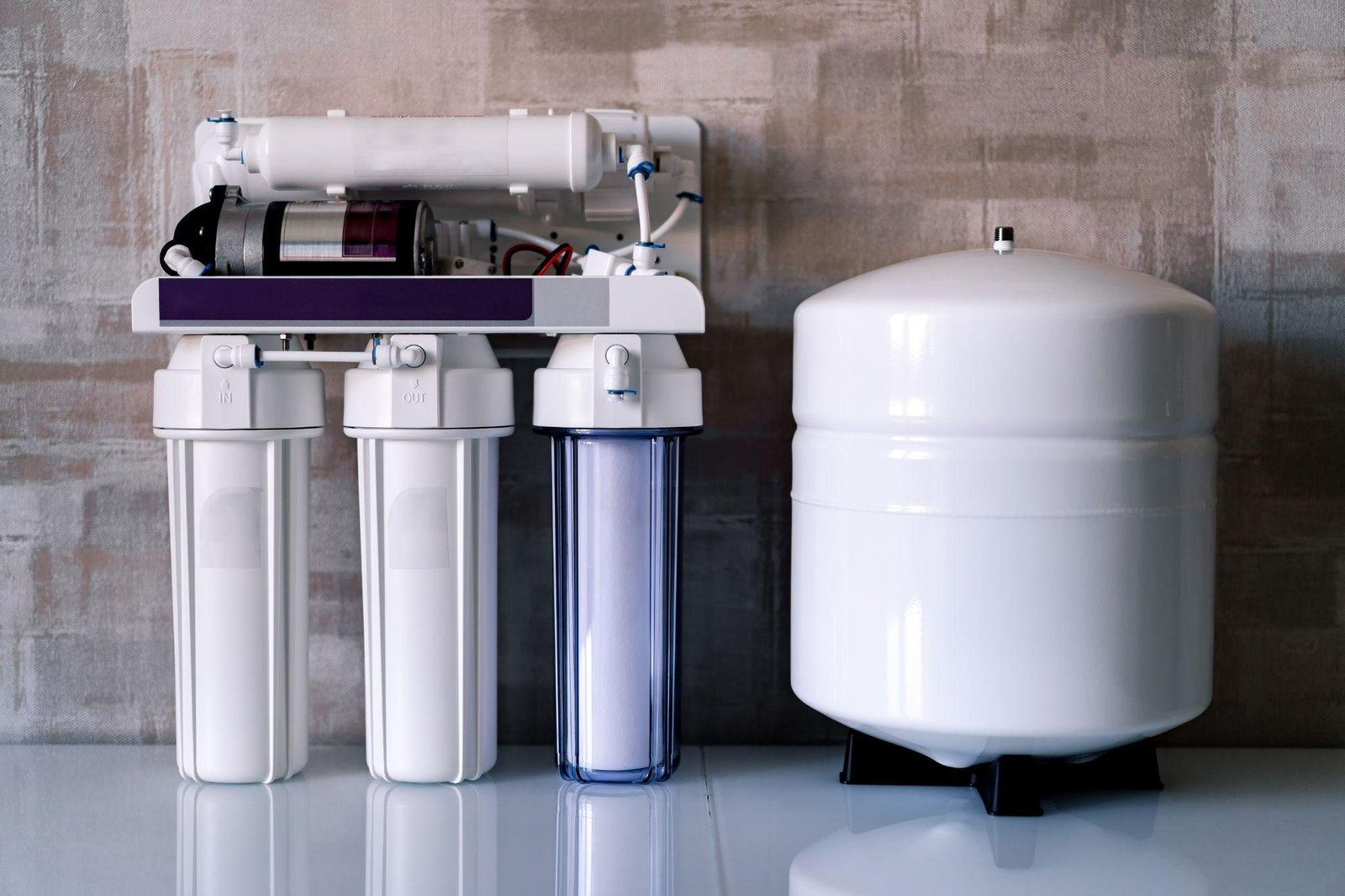
A sediment cartridge is designed to capture suspended particles. Carbon focuses on certain chemicals, tastes and odors. Reverse osmosis membranes reduce many dissolved substances. Specialty media can target particular minerals or contaminants.
That’s why choosing a filter based purely on price or micron rating can be a mistake.
Consider what you want removed first.
If you’re trying to eliminate sand from well water, you need particle filtration. If the concern is chlorine taste, the treatment strategy is different. If dissolved contaminants are the issue, a basic sediment cartridge won’t solve the problem.
Matching the media to the problem is where good treatment begins.
Specialty Filters Have a Place
Sometimes standard filtration isn’t enough.
A household may have unusually high iron, sulfur, manganese or another water-quality characteristic that requires a dedicated treatment approach.
In these situations, specialty water filters can be useful because they’re designed around more specific treatment goals.
However, specialized doesn’t automatically mean superior.
A specialty filter installed without understanding the incoming water can perform poorly or become exhausted quickly. Some media also require pretreatment or specific operating conditions.
This is why professional water analysis can save money in the long run. You know what you’re treating before you invest in the equipment.
Whole-Home or Point-of-Use?
This is another decision homeowners often overlook.
If the problem affects drinking water only, point-of-use treatment at the kitchen sink may be enough.
But if sediment, odor or another issue affects showers, laundry and other fixtures, whole-home treatment may make more sense.
There are trade-offs.
Whole-house systems treat water before it travels through the plumbing, but they generally cost more and need to handle the home’s full flow rate. Point-of-use systems are smaller and more targeted but don’t address water throughout the property.
Think about where the problem actually matters.
Pressure and Flow Shouldn’t Be an Afterthought
A filtration system can affect water pressure.
Every cartridge, membrane and treatment stage creates some resistance. If the equipment isn’t sized properly, you might notice weak flow when multiple faucets are running.
That’s especially frustrating in larger households.
Before installation, consider peak water demand. How many bathrooms are there? Does someone regularly run the dishwasher while another person is showering? Are there multiple people using water in the morning?
Treatment equipment should be selected around those realities, not just average daily consumption.
Maintenance Keeps Treatment Working
A water-treatment system isn’t maintenance-free.
Filters eventually fill with captured material. Carbon media becomes exhausted. UV lamps have replacement intervals. Ozone equipment requires inspection and proper operation.
Skipping maintenance can gradually reduce performance without producing an obvious warning.
Keep track of installation dates and recommended replacement intervals. If the system has monitoring indicators, pay attention to them.
It’s also worth asking about the cost and availability of replacement cartridges before purchasing the equipment. A system that looks affordable initially can become frustrating if consumables are difficult to source.
Don’t Let Marketing Make the Decision
Water-treatment advertising can be persuasive.
Words such as “pure,” “advanced,” “premium” and “complete” sound reassuring, but they don’t tell you what a system actually removes.
Ask specific questions instead.
What contaminants is the equipment designed to reduce? What are its operating conditions? How often do components need replacement? Is performance independently certified where applicable?
And perhaps most importantly: what doesn’t the system remove?
A reputable provider should be comfortable explaining limitations rather than promising that one machine will solve every imaginable water problem.
Good Treatment Is About Fit, Not Flash
There’s a temptation to assume that more treatment must mean better water.
That’s not always true.
An unnecessarily complicated system can increase installation costs, maintenance requirements and operating expenses without delivering meaningful benefits.
A simpler setup that addresses the actual issue may be a much better investment.
For one household, that could mean carbon filtration. Another may need sediment removal and softening. Someone else might require disinfection or specialized treatment based on laboratory results.
The answer should come from the water.
Think Beyond the First Year
When evaluating a water-treatment system, consider its entire life.
Look at installation, replacement filters, electricity, water usage, service and expected equipment life. Ask how easy it is to obtain parts and whether professional maintenance is readily available.
A system that costs slightly more upfront may be cheaper over several years if it has longer-lasting components and predictable maintenance.
On the flip side, don’t pay for features you’ll never use.
A good water system should fit the home, not the other way around.
The Best Water Treatment Often Goes Unnoticed
Once the right treatment is installed and maintained, it tends to become part of the background.
The water tastes better. Fixtures stay cleaner. Appliances may have less trouble with scale or sediment. If disinfection is needed, it’s happening quietly as water passes through the system.
That’s really the goal.
Start with testing. Identify the concern. Choose technology that addresses that specific issue, and make sure the equipment can handle your household’s actual demand.
You don’t need the fanciest system on the market. You need the right one.
And when water treatment is chosen thoughtfully, that’s exactly what it becomes: one less thing to worry about every time you turn on the tap.