Most water problems don’t arrive with a dramatic announcement. There’s no alarm, no flashing light on the kitchen wall. Instead, they tend to creep into daily routines so quietly that you get used to them.
Maybe the shower doesn’t feel quite as pleasant as it used to. The bathroom fixtures seem to collect residue faster. A faucet that once had a strong, steady stream now feels a little weak.
Then there are the appliances. The dishwasher needs more attention. The water heater seems to require servicing more often. A coffee maker that used to run perfectly starts behaving like it’s tired.
These signs don’t automatically point to one particular water-quality problem. Still, they’re worth noticing. Water chemistry, plumbing conditions, fixture buildup, and equipment age can all influence what you see and feel around the house.
The first step isn’t buying a treatment system. It’s figuring out what’s actually happening.
Your Skin and Hair Can Offer a Clue
People sometimes blame their shampoo, soap, or even the weather when their skin feels uncomfortable after bathing.
And sometimes, that’s exactly what’s happening.
But water quality can also play a role in how bathing feels. Hard water contains minerals such as calcium and magnesium, which can interact with soaps and leave residue on the skin and hair.
If you’re experiencing dry skin or dull hair after bathing, especially alongside other signs of hard water, it may be worth looking at the water itself.
This doesn’t mean hard water is the only possible explanation. Skin type, bathing temperature, products, humidity, and individual sensitivity all matter.
Still, if your hair feels coated or your skin seems less comfortable after washing, water hardness is one piece of the puzzle worth investigating.
Look at the Shower Fixtures
Your showerhead can become a surprisingly good detective.
Hard-water minerals can accumulate around the small openings where water exits. Over time, those deposits may affect the spray pattern and reduce the amount of water coming through.
The same thing can happen to faucet aerators.
If one fixture has noticeably weaker flow than another, start there. Remove and inspect the aerator or showerhead if it’s safe to do so. Mineral deposits may be visible.
But don’t assume every pressure problem is caused by hardness.
A plumbing restriction, clogged filter, failing pressure regulator, or valve issue can produce similar symptoms.
The pattern matters.
When Water Pressure Gradually Changes
A house that once had excellent flow can feel very different years later.
Reduced water pressure over time may have several causes, including clogged filters, mineral deposits, plumbing restrictions, aging components, or changes in the incoming water supply.
Hard water can contribute to deposits in certain plumbing conditions, but it shouldn’t automatically be blamed for every pressure complaint.
Pay attention to where the pressure drops.
If only one faucet is affected, the fixture may be the issue. If multiple fixtures throughout the house experience the same problem, investigate the broader plumbing and treatment system.
If pressure suddenly becomes extremely low, leaks or other plumbing problems should also be considered promptly.
The Trouble With Mineral Deposits
Hard water is often noticed because of what it leaves behind.
White spots on dishes. Chalky faucet rings. A crusty showerhead. Deposits around the kettle.
These are usually signs that dissolved minerals are remaining behind as water evaporates.
Scale can also form inside equipment and plumbing under suitable conditions.
This is one reason homeowners sometimes choose water softening. A properly sized softener can reduce calcium and magnesium, potentially limiting the formation of traditional hardness-related scale.
But treatment should follow testing.
If your water isn’t particularly hard, installing a large softener may not provide much value.
Appliances Can Reveal a Longer-Term Problem
Some water-quality effects aren’t obvious until equipment starts behaving differently.
Coffee makers may develop deposits. Dishwashers can collect mineral residue. Water heaters can accumulate scale. Humidifiers may need more frequent cleaning.
Over several years, these little maintenance demands can add up.
When you have appliances that wear out sooner than expected, don’t immediately assume poor water quality is responsible. Mechanical wear, manufacturing quality, usage patterns, electrical issues, and normal aging all matter.
But if several water-using appliances are experiencing mineral buildup or unusual maintenance problems, testing the water is a reasonable next step.
It can help separate coincidence from a recurring water-quality issue.
Don’t Forget About Water Heaters
Water heaters deserve special attention because they combine water with heat.
Heating can encourage certain minerals to precipitate and form deposits. In storage-tank systems, sediment and mineral accumulation can settle at the bottom and around components.
This may affect performance over time.
Regular water-heater maintenance remains important even if you have a softener. Flushing, inspection, temperature checks, and other service procedures should follow the manufacturer’s guidance.
A softener isn’t a replacement for maintaining the appliance.
It’s simply a way of managing one factor that can contribute to mineral-related problems.
Testing Beats Guessing
It’s tempting to choose treatment based on what you can see.
Orange stains? Buy an iron filter.
White deposits? Get a softener.
Strange taste? Install carbon filtration.
Sometimes those choices work. Sometimes they don’t.
Water chemistry isn’t always that straightforward.
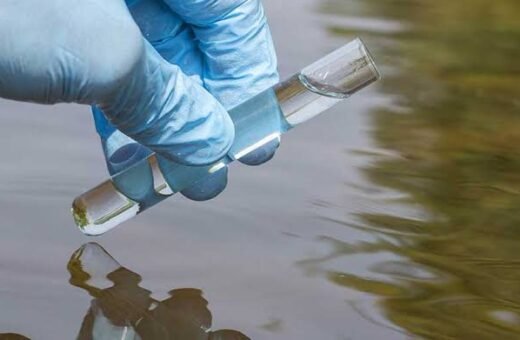
A proper water analysis can provide information about hardness, pH, iron, manganese, sediment, dissolved solids, chlorine, and other characteristics depending on the source and testing goals.
This is particularly useful for homes with private wells, where water conditions can vary and homeowners are responsible for monitoring their supply.
Testing provides a starting point.
Without it, you’re essentially shopping in the dark.
A Softener Isn’t a Complete Water Purification System
This distinction is important.
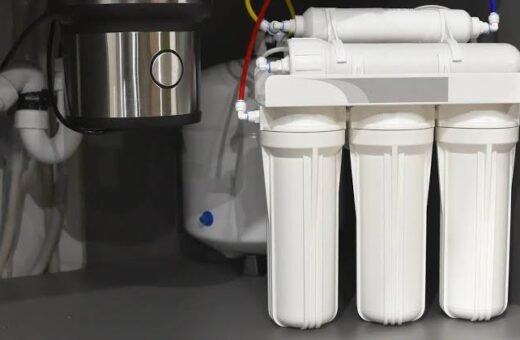
A water softener is primarily designed to reduce hardness minerals. It isn’t automatically designed to remove every contaminant or solve every taste, odor, sediment, or microbial concern.
If your water has multiple issues, you may need more than one treatment stage.
For example, a home could have hard water and iron. Another might have sediment and an odor issue. A third may primarily need improved drinking-water treatment.
The right system depends on what’s actually present.
That’s why a good water-treatment plan often begins with a conversation about the water source, household usage, and specific complaints.
Pay Attention to Changes in Taste and Odor
Water that suddenly tastes different deserves some attention.
A metallic taste, sulfur-like smell, chlorine taste, or musty odor can have different causes.
Sometimes the issue comes from the water source. Sometimes it comes from plumbing or a water heater.
If the change is sudden and affects the entire home, investigate before assuming a treatment system will solve it.
For private wells, changes following heavy rain, flooding, or other environmental events can be particularly worth checking.
If there’s a potential health concern, appropriate water testing and local guidance should take priority over simply installing a household filter.
Maintenance Is Part of Water Treatment
Even the right system eventually needs service.
Filters become loaded. Softener components require inspection. Treatment media can reach the end of its useful life. Connections and valves can develop problems.
Ignoring maintenance can make a good system perform poorly.
Keep track of filter replacement dates and service visits. If you’re using a softener, monitor salt consumption and regeneration behavior.
Unexpected changes can be useful clues.
A system that suddenly regenerates much more frequently or struggles to maintain expected performance may need adjustment or inspection.
Small Signs Can Tell a Bigger Story
A water-quality problem doesn’t always announce itself with discolored water.
Sometimes it’s a shower that doesn’t feel the same. Sometimes it’s recurring deposits on a faucet. Sometimes it’s equipment that seems to need attention far too often.
None of these signs proves a particular water problem by itself.
But together, they can tell you it’s time to take a closer look.
Start with observation. Test the water. Check the plumbing and fixtures. Understand the results before choosing treatment.
That approach is slower than buying the first system you see, but it’s usually smarter.
Because the goal isn’t to treat water simply for the sake of treating it.
The goal is to make the water in your home work better for the people, fixtures, and appliances that rely on it every single day. When you understand what’s coming through your pipes, the right solution becomes much easier to find.