Clean water is something most people expect to have whenever they turn on a tap. Yet water can contain substances that are not visible, noticeable by smell, or easy to identify without proper testing. Depending on its source, drinking water may carry dissolved minerals, microorganisms, sediment, chemicals, or other contaminants that affect its safety and taste.
This is where modern water treatment becomes valuable. Two commonly discussed technologies are reverse osmosis and ultraviolet treatment. Although both are designed to improve drinking water, they work in very different ways. Understanding those differences can help homeowners choose a system that suits their household rather than purchasing equipment based on marketing claims alone.
Why Water Treatment Matters at Home
Water quality can vary significantly from one location to another. Public water systems are treated and monitored, but the water may still pick up substances as it travels through aging pipes, storage tanks, or household plumbing. Private well water has its own challenges, including bacteria, hardness, metals, and naturally occurring minerals.
Some contaminants affect taste or appearance, while others create health concerns without producing obvious warning signs. A strange odor may encourage someone to investigate, but clear water is not necessarily safe water.
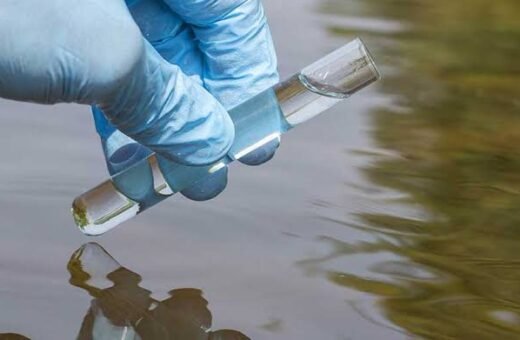
The first step is understanding the source of the problem. A laboratory water test can identify concerns and help determine whether filtration, disinfection, or a combination of technologies is appropriate.
How Reverse Osmosis Works
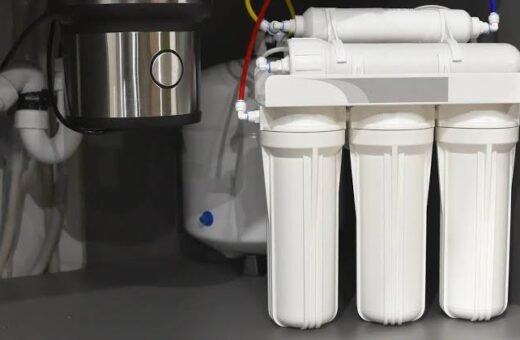
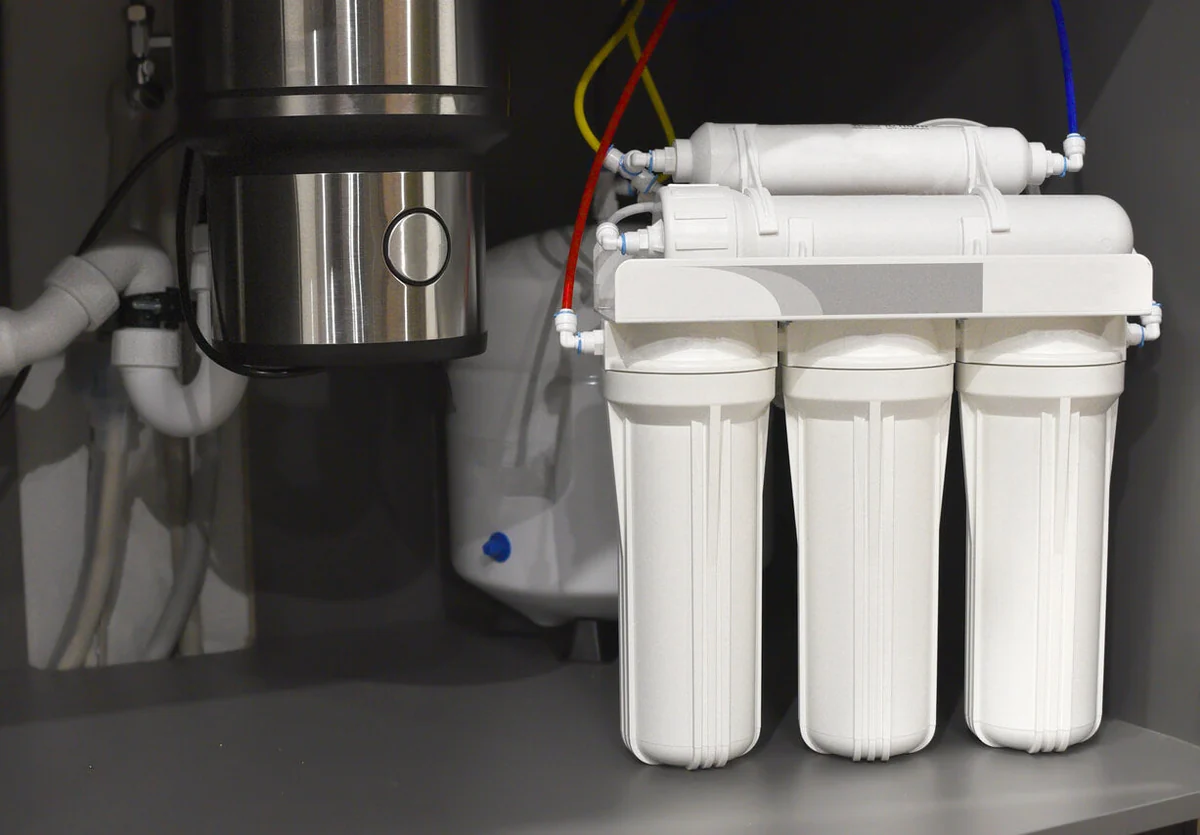
Reverse osmosis is a pressure-driven filtration process that uses a semi-permeable membrane to reduce many dissolved substances from water. In a typical system, water passes through pre-filters before reaching the membrane. Pressure pushes the water through the membrane while many unwanted compounds are left behind and directed toward a drain.
Reverse osmosis can reduce a range of dissolved contaminants, including certain salts, heavy metals, fluoride, and other substances, depending on the membrane and system design. It is commonly installed beneath a kitchen sink because it produces a smaller quantity of highly treated water for drinking and cooking.
However, reverse osmosis is not a magic solution for every water problem. It does not automatically address all microorganisms, and its performance depends on water pressure, temperature, membrane condition, and maintenance. Some systems also remove beneficial minerals, which may affect taste.
The Importance of Pre-Filtration
A reverse osmosis system usually performs better when the water is properly prepared before reaching the membrane. Sediment filters can capture sand, dirt, rust, and other particles that might otherwise clog the system. Carbon filters may reduce chlorine and certain organic compounds that can damage or interfere with some membrane materials.
Without suitable pre-filtration, the membrane may become fouled more quickly. This can reduce production speed and increase maintenance costs. For homes with heavily sedimented water, additional treatment may be necessary before reverse osmosis is installed.
The exact setup should be based on a water test rather than a standard package that assumes every household has the same water conditions.
What UV Disinfection Does
Unlike reverse osmosis, uv disinfection is designed primarily to control microorganisms. UV systems use ultraviolet light to damage the genetic material of bacteria, viruses, and other microorganisms, preventing them from reproducing and causing infection.
UV treatment does not add chemicals to the water, and it generally does not change its taste or mineral content. It can be particularly useful for private wells or other water sources where microbial contamination is a concern.
Still, UV treatment has limitations. It does not remove sediment, dissolved metals, pesticides, salts, or unpleasant odors. It also works best when the water is clear enough for the UV light to reach microorganisms effectively. Cloudy water can shield microbes from the light, reducing treatment performance.
Why Water Clarity Matters for UV Systems
A UV lamp cannot disinfect water effectively if particles block the light. For this reason, UV systems often require sediment filtration before the water reaches the treatment chamber.
Some installations may also include additional filters to reduce color, turbidity, or organic compounds. The purpose is not necessarily to make the water look attractive, but to create the conditions needed for UV light to work properly.
UV systems also require electricity and routine lamp replacement. Even when a lamp still appears to be glowing, its germicidal effectiveness may decline over time. Many systems include an indicator or alarm to alert homeowners when maintenance is needed.
Reverse Osmosis and UV: Different Jobs
Reverse osmosis and UV treatment are sometimes presented as competing technologies, but they often serve different purposes. Reverse osmosis focuses on reducing many dissolved contaminants, while UV focuses on microorganisms.
For example, a household with high nitrate levels may need a treatment method designed for nitrate reduction. A home with bacteria in its well water may benefit from UV or another validated disinfection method. If both dissolved contaminants and microbial contamination are present, a combined system may be more suitable.
The important point is to match the technology to the contaminant. Installing a UV lamp will not solve a hardness problem, and installing reverse osmosis alone should not be treated as proof that microbiologically unsafe water has been disinfected.
Maintenance Should Be Part of the Decision
Every water treatment system needs attention. Filters must be replaced, membranes may need servicing, and UV lamps require periodic replacement. Neglecting maintenance can reduce performance and may create a false sense of security.
Homeowners should understand the expected replacement schedule before purchasing a system. Replacement costs, water waste, electricity use, and service availability all matter. A system that looks affordable at the beginning may become inconvenient if parts are difficult to find or maintenance is frequently overlooked.
It is also wise to keep a record of filter changes and water tests. This simple habit makes it easier to notice changes in performance and stay ahead of problems.
Choosing the Right System for Your Home
The right treatment method depends on several factors: water source, household size, contaminant levels, available installation space, budget, and desired water use.
A point-of-use reverse osmosis system may be enough for drinking and cooking water. A whole-home UV system may be more practical when microbial treatment is needed throughout the plumbing system. In some cases, sediment filtration, water softening, activated carbon, reverse osmosis, and UV may be combined in a carefully designed treatment train.
Look for systems with clear performance claims and, where applicable, certification from recognized independent organizations. Be cautious of products that promise to remove every contaminant without explaining how the technology works.
Start With Testing, Not Guesswork
Water treatment decisions should begin with reliable information. If your water has an unusual taste, recurring odor, staining, or a history of contamination, arrange a professional test. Private well owners should pay particular attention to bacteria and nitrates, while additional testing may be appropriate based on local geology and nearby land use.
Once the results are available, a qualified water professional can recommend a system that addresses the actual issue. This approach avoids spending money on equipment that may not solve the problem.
A More Confident Approach to Safer Water
Reverse osmosis and UV disinfection each have an important place in modern water treatment. One is commonly used to reduce dissolved substances, while the other targets microorganisms through ultraviolet light. Neither technology is universally perfect, but both can be highly effective when correctly selected, installed, and maintained.
Ultimately, better drinking water comes from more than buying a filter. It requires understanding the source, testing when necessary, choosing suitable treatment, and keeping the equipment in good condition. With that practical approach, homeowners can make informed decisions and enjoy greater confidence in the water they use every day.