Water equipment and home water services aren’t always the first things people think about when planning their household expenses. Usually, attention goes to the bigger bills, urgent repairs, or whatever needs fixing that week. But the way we manage everyday water needs can make a real difference to comfort, convenience, and long-term costs. From keeping essential supplies available to deciding when an old system needs replacing, a little planning goes a surprisingly long way.
For homeowners and businesses alike, the best solution isn’t necessarily the newest product or the most expensive service. It’s the one that fits daily routines, works reliably, and doesn’t create unnecessary complications. Understanding delivery services, equipment upgrades, and rental arrangements can help people make choices that suit their needs today without losing sight of tomorrow.
Why Reliable Water Supplies Matter
There’s something reassuring about knowing that the essentials are taken care of. Whether water is needed for drinking, cooking, cleaning, or maintaining equipment, interruptions can quickly become inconvenient. A dependable service helps reduce those last-minute scrambles, particularly for busy households and workplaces where there’s already plenty to manage.
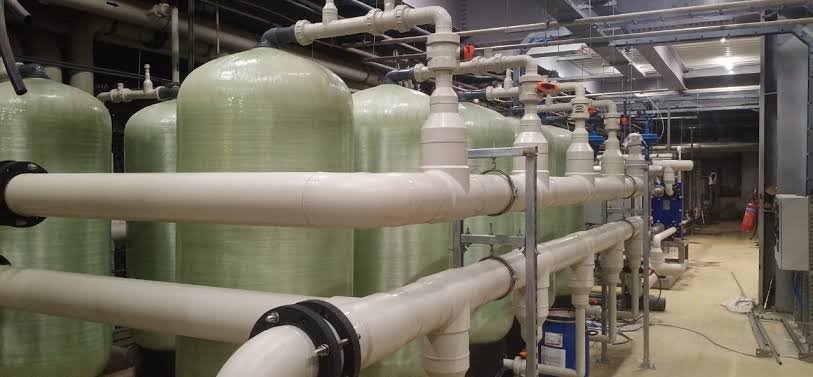
For customers who use water treatment equipment, supplies such as salt may be essential to keeping certain systems operating properly. Water softeners, for example, often require salt to regenerate their resin and continue reducing hardness. Without regular replenishment, performance may suffer, and users might notice scale building up on taps, glassware, or appliances.
That’s where salt delivery can offer practical value. Rather than remembering to purchase heavy bags during every shopping trip, customers can arrange deliveries around their expected usage. It saves time and makes planning easier, especially for people who have limited storage space, mobility concerns, or demanding schedules. The key is to choose a delivery frequency that matches actual consumption instead of ordering more than necessary.
A good provider should also make the process straightforward. Clear pricing, dependable scheduling, and helpful communication are worth looking for. Convenience matters, but it works best when the service is consistent and the costs are easy to understand.
Knowing When Your Equipment Needs an Upgrade
Most equipment gives some warning before it stops working completely. A water softener might seem less effective than it used to, a filter may need frequent replacement, or an older system might require repairs more often than feels reasonable. These signs don’t automatically mean replacement is necessary, but they’re a good reason to review the situation.
Start by checking the manufacturer’s maintenance recommendations and the age of the equipment. Some problems come from a simple issue, such as a clogged filter, incorrect settings, or a part that needs replacing. A professional inspection can help distinguish a repairable fault from a system that has reached the end of its useful life.
When replacement does make sense, a trade-in and upgrade option may help customers move from older equipment to a newer model without managing every step independently. Depending on the provider, an existing unit may qualify for a credit or another financial benefit toward the replacement. Terms vary, so it’s important to ask what the offer includes, whether installation is covered, and how the old equipment will be handled.
Newer systems may offer improved controls, more convenient monitoring, or better performance for a particular household’s needs. Still, newer doesn’t always mean better for everyone. A family with modest water use may not need the same capacity as a large household, and a small business will have different demands from a restaurant or commercial facility.
Before making a decision, compare the total cost rather than looking only at the purchase price. Include installation, ongoing supplies, maintenance, and expected operating expenses. A slightly more expensive system may be worthwhile if it offers dependable service and reasonable long-term costs. On the other hand, replacing a perfectly functional unit simply because a newer model exists may not be the smartest use of money.
Renting Equipment Can Offer More Flexibility
Buying equipment outright works well for many people, but it isn’t the only option. Some households prefer to avoid a large upfront payment, while businesses may want to preserve cash for other priorities. In these situations, rentals can provide access to useful equipment through regular payments instead of a full purchase.
Rental arrangements may also suit people who expect their needs to change. Someone living in temporary accommodation, for instance, might not want to invest in a permanent installation. A growing business could prefer a flexible arrangement while it works out its long-term requirements. Depending on the provider and agreement, equipment rental may include installation, maintenance, servicing, or replacement support.
However, the details matter. A low monthly payment can look attractive at first, but the total cost over several years may exceed the price of buying the equipment. Customers should read the agreement carefully, paying attention to contract length, cancellation fees, maintenance responsibilities, and what happens if the equipment develops a fault.
It’s also worth checking whether the rented equipment can be upgraded later and whether there are restrictions on where or how it can be used. Ask for a written explanation of any additional charges before signing. A reputable provider should be willing to answer these questions clearly rather than rushing customers into a decision.
Renting is most useful when the flexibility and included services justify the ongoing expense. Buying may be more economical for equipment that will be used for many years and requires little professional support. There isn’t one right answer for every situation, and that’s precisely why comparing options matters.
Building a Simple Maintenance Routine
Whatever arrangement you choose, regular maintenance helps protect the equipment and reduce avoidable problems. It doesn’t need to be complicated. Keep a record of service dates, follow the manufacturer’s instructions, and pay attention to changes in performance. If the system uses filters or other replaceable components, check their recommended replacement intervals rather than waiting until something goes wrong.
For water softeners, inspect salt levels periodically and make sure the unit is operating as intended. Different systems have different requirements, so avoid assuming that every model needs the same amount of salt or the same servicing schedule. If you notice unusual noises, leaks, changes in water quality, or repeated error messages, arrange an inspection instead of ignoring the signs.
Water treatment equipment also shouldn’t be treated as a substitute for testing when there’s a concern about water safety. If your water develops an unusual taste, smell, or appearance, investigate the cause. Depending on your supply and circumstances, testing or advice from a qualified professional may be appropriate.
Keep records of repairs and maintenance, too. They can help identify recurring issues and make future decisions easier. When it’s time to replace a unit, those records provide useful evidence about its performance and the cost of keeping it running.
Choosing a Service That Fits Your Life
Good service is about more than delivering supplies or installing equipment. It’s also about helping customers understand their options without making the process feel overwhelming. Look for providers who explain costs openly, offer realistic recommendations, and provide clear instructions for maintenance and support.
It helps to consider your actual needs before contacting a provider. Think about household size, typical water use, available space, budget, and how long you expect to stay in your current property. Business owners should also consider operating hours, demand fluctuations, and the consequences of equipment downtime.
Then compare a few suitable options. Ask about delivery schedules, upgrade incentives, rental terms, and after-sales support. Don’t be afraid to request a detailed quote or take time to review an agreement. A little research at the beginning can prevent frustration later.
Ultimately, managing water services well comes down to making informed choices that fit everyday life. Reliable supplies can remove a recurring chore, a carefully planned upgrade can improve performance, and a suitable rental agreement can provide flexibility when buying isn’t practical. None of these decisions needs to be rushed.
Pay attention to what you use, maintain what you own or rent, and choose providers who value clear communication. Those simple habits can make water equipment easier to manage, keep unexpected expenses in check, and leave you with one less thing to worry about during an already busy week.