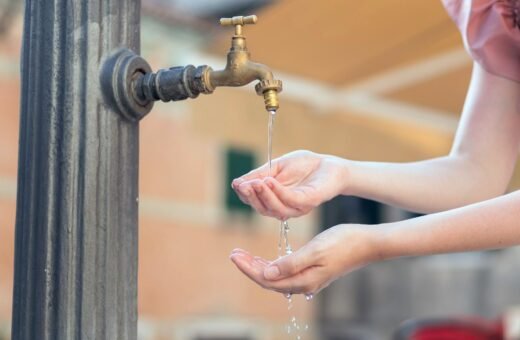
You turn on the kitchen faucet, fill a glass, and notice that something seems a little off. Maybe the water smells different than usual. Perhaps there’s a faint haze in the glass, or tiny particles settle at the bottom after the water sits for a while.
These things can be easy to dismiss. After all, the water is still running, and life is busy.
But changes in the way water looks, tastes, or smells are worth paying attention to. They don’t automatically mean there’s a serious problem, but they can be clues about what’s happening in your plumbing or water supply.
The good news is that many common water concerns can be investigated logically. Instead of guessing, homeowners can look at the symptoms, consider the source, and test the water when necessary.
Taste and Odor Can Tell You Something
One of the first things people notice about their water is taste.
Municipal water supplies may contain disinfectants such as chlorine, which are used to help control microorganisms throughout the distribution system. While this is an important part of water treatment, some people don’t enjoy the resulting taste or smell.
If you’re noticing a strong chlorine taste and odor, activated carbon filtration is one treatment approach commonly used to reduce it.
The right solution depends on the source water and the specific concern, though. A filter designed for taste and odor isn’t automatically the right answer for every water issue.
That’s why identifying the actual problem matters before choosing equipment.
When Water Looks Cloudy
Clear water is something most of us take for granted.
So when a glass suddenly looks hazy, it’s natural to wonder what’s going on.
Temporary cloudiness can sometimes result from tiny air bubbles. This may happen when water pressure or temperature changes, and the water can clear after sitting for a short time.
Persistent cloudiness, however, deserves a closer look.
Sediment, minerals, plumbing conditions, or other factors may contribute to water that remains visibly cloudy. The timing can also provide useful information. If the issue occurs only after the water hasn’t been used for several hours, the cause may differ from cloudiness that appears at every faucet.
Pay attention to patterns before jumping to conclusions.
Sediment Isn’t Always Obvious
Sediment can range from fine particles that are barely visible to larger pieces that settle in a glass.
If you notice sediment and particulate matter in your water, the first question is where it comes from.
Private wells can sometimes contain naturally occurring particles. Older plumbing may also contribute material under certain conditions. Changes in municipal water flow or nearby maintenance work can occasionally affect what reaches a property.
A sediment filter may help in appropriate situations, but the filter should be selected according to particle size and the amount of material present.
A filter that is too restrictive can also reduce water pressure, so bigger isn’t automatically better.
Start With Your Water Source
Understanding where your water comes from is an important piece of the puzzle.
Municipal water is treated and monitored before distribution, while private well owners are responsible for testing and maintaining their own water supply.
Neither source guarantees that you’ll never experience water-quality changes.
Seasonal conditions, plumbing alterations, construction, equipment problems, and other factors can affect what homeowners notice at the tap.
If you’ve recently moved into a home, it’s particularly useful to establish a baseline. Knowing what your water normally looks, tastes, and smells like makes future changes easier to recognize.
Don’t Judge Water by Appearance Alone
One of the easiest mistakes is assuming that clear water is automatically problem-free.
Many substances that can affect water aren’t visible. Taste and odor aren’t perfect indicators either.
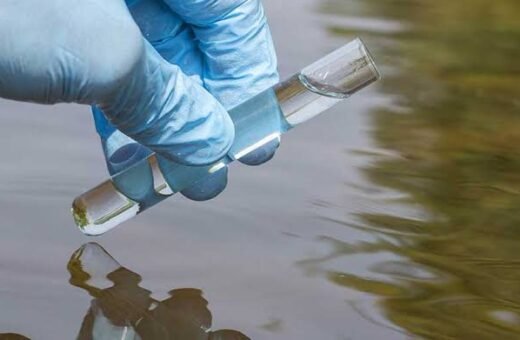
That is why laboratory testing can be useful when there is a persistent concern.
Testing can evaluate characteristics such as hardness, pH, iron, certain contaminants, and other parameters depending on the test selected.
You don’t necessarily need to test for everything.
A sensible testing plan should reflect your water source and the specific concerns you’re experiencing.
Hard Water Creates a Different Kind of Trouble
Some water problems are less about what’s floating in the glass and more about what gets left behind.
Hard water contains calcium and magnesium. As water evaporates, these minerals can form deposits on faucets, shower doors, appliances, and other surfaces.
You may notice white spots on dishes or scale around a showerhead. Soap may also seem harder to rinse away.
A water softener can be appropriate when excessive hardness is confirmed.
It isn’t designed to solve every water issue, but reducing hardness can make a noticeable difference in homes where mineral buildup has become a constant nuisance.
Why Filters Need to Match the Problem
The word “filter” sounds straightforward, but water filtration is anything but one-size-fits-all.
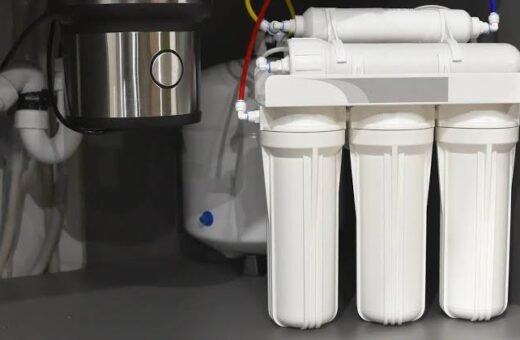
Sediment filters capture particles. Carbon filtration is commonly used for certain taste and odor concerns. Reverse osmosis can reduce many dissolved substances under appropriate conditions.
There are also specialized systems designed for particular water characteristics.
This is why choosing a system based only on advertising claims can backfire.
Before purchasing, ask what the equipment is designed to reduce, what its limitations are, and whether its performance has been independently tested or certified for the specific claim you’re concerned about.
A little research can prevent an expensive mismatch.
Whole-Home Treatment Versus Drinking Water Treatment
Not every water problem requires treatment at every faucet.
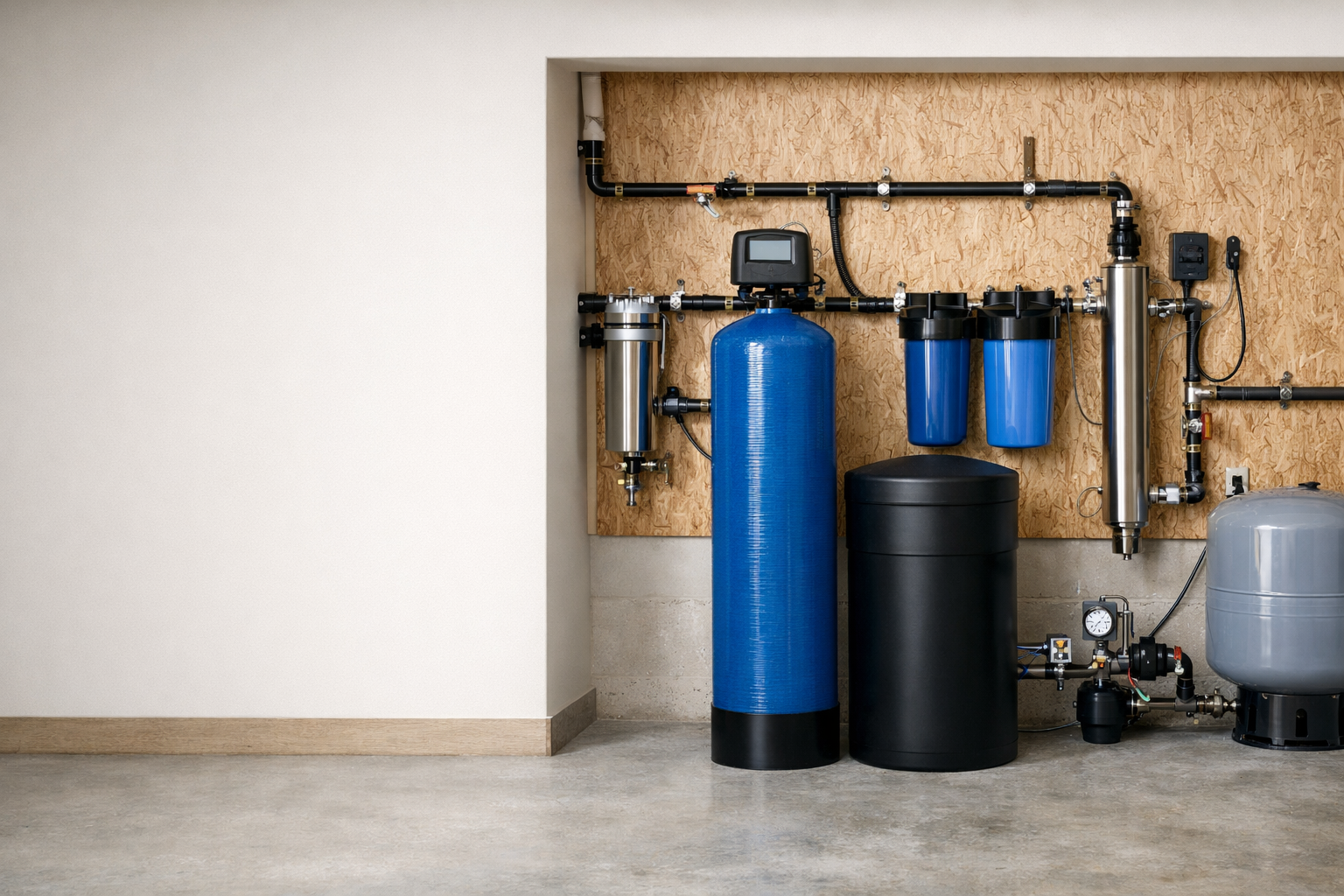
If the concern is hard water affecting showers, appliances, and plumbing throughout the property, whole-home treatment may be practical.
But if your primary concern is drinking and cooking water, a point-of-use system may be sufficient.
This distinction can save both money and maintenance.
There’s no benefit in treating more water than necessary if the treatment goal is highly specific.
On the other hand, if the problem affects the entire household supply, a small under-sink filter obviously won’t address what’s happening in the shower or water heater.
Think about where the problem actually occurs.
Changes Shouldn’t Be Ignored
A sudden change in water deserves some attention, particularly if it persists.
Notice when it happens. Does it affect one faucet or every faucet? Is it worse in the morning? Does running the water for several minutes change anything? Did the issue begin after plumbing work, a storm, construction, or another noticeable event?
These details can help a professional narrow down the possibilities.
If you’re on a private well, changes can sometimes indicate that additional testing or inspection is appropriate.
And if there’s an obvious concern about safety, don’t rely on appearance or taste alone. Get qualified advice and appropriate testing.
Maintenance Is Part of Water Treatment
Installing treatment equipment isn’t the end of the story.
Filters need replacement. Softener settings may require adjustment. Reverse osmosis membranes and cartridges have service intervals. Sediment filters can become loaded with material and restrict flow.
Ignoring maintenance can turn a good system into an ineffective one.
Keep track of replacement dates and pay attention to changes in water pressure, taste, odor, or appearance.
If a system suddenly performs differently, investigate rather than simply replacing parts at random.
Be Careful With DIY Solutions
There are plenty of household tricks for dealing with water problems online.
Some are harmless. Others can damage plumbing, fixtures, or treatment equipment.
For example, aggressive cleaning products may damage certain finishes, while incorrectly installed filtration equipment can create leaks or unwanted pressure restrictions.
If you’re dealing with a persistent water issue, professional assessment is often worth the effort.
You don’t need someone to sell you the biggest system available. You need someone who can explain the problem and why a particular treatment approach makes sense.
Better Water Starts With Better Information
The most useful thing a homeowner can do is resist the urge to guess.
A strange smell doesn’t automatically mean contamination. Cloudy water isn’t always dangerous. Sediment doesn’t necessarily point to one specific cause.
At the same time, persistent changes shouldn’t simply be ignored.
Look for patterns, understand your water source, and test when appropriate. Once you know what you’re dealing with, choosing treatment becomes much easier.
Water should work quietly in the background of your home. You shouldn’t have to think about every glass you fill or every shower you take.
But when something changes, pay attention.
A little curiosity, followed by good testing and the right treatment, can turn an annoying mystery into a straightforward household problem—and that’s a much better place to be.