Water is part of nearly everything we do. We use it to make coffee in the morning, wash vegetables for dinner, clean our homes, and keep businesses running throughout the day. Most of the time, we turn on a tap without giving it much thought. But when water starts leaving spots on glassware, develops an unusual taste, or causes mineral buildup around fixtures, it quickly becomes something we pay attention to.
Across Florida, water conditions can vary from one community to another. The source of the water, local geology, plumbing, and treatment processes all play a role in what people experience at home or at work. That’s why choosing a water treatment solution isn’t simply about buying a filter. It’s about understanding the water, identifying the problem, and finding an approach that makes sense for everyday life.
Why Water Quality Deserves a Closer Look
Clear water isn’t necessarily problem-free water. Some concerns are easy to spot, such as visible particles, cloudy water, or stubborn mineral deposits. Others, including certain dissolved substances, may not affect appearance at all.
Hard water is a common example. It contains elevated levels of calcium and magnesium, which can leave deposits on shower doors, faucets, and appliances. These minerals can also contribute to scale inside water heaters and other equipment. While hardness is generally more of a household and maintenance concern than a health issue, it can make everyday cleaning feel like an endless chore.
Taste and odor are different matters. Chlorine used in municipal water treatment may affect taste or smell, while plumbing conditions can sometimes contribute to other changes. A suitable carbon filter may reduce certain taste and odor concerns, but no single filter removes every possible contaminant.
The sensible first step is to test the water for the specific issue you’re concerned about. A basic screening can help identify certain characteristics, while some contaminants require laboratory analysis. Knowing what’s present makes it easier to choose treatment based on evidence instead of guesswork.
Water Treatment That Fits Everyday Needs
Every property has its own water demands. A small household may mainly want better-tasting drinking water and fewer mineral spots. A restaurant may need consistent water quality for beverage preparation, dishwashing, and kitchen equipment. A larger commercial facility might have more specialized requirements.
That variety is one reason delivering clean, quality water across florida requires more than offering the same equipment to every customer. The right solution depends on the water source, the property’s plumbing, daily consumption, and the results the customer wants to achieve.
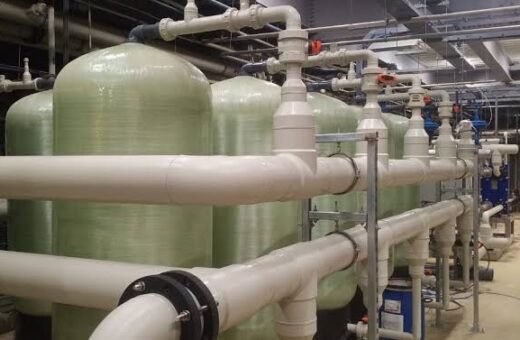
Filtration is often a useful starting point. Sediment filters capture suspended particles such as sand and rust, while activated carbon can reduce certain substances that affect taste and odor. Water softeners address hardness through an ion-exchange process, helping reduce the calcium and magnesium responsible for conventional scale.
Reverse osmosis may be appropriate when reducing dissolved substances is a priority. It uses a semipermeable membrane to separate much of the dissolved material from the treated water. However, these systems need suitable maintenance, and their performance depends on the incoming water and the equipment design.
The important thing is not to install the most elaborate system available. It’s to select a treatment method that addresses a real concern without adding unnecessary cost or maintenance.
Local Knowledge Can Make the Process Easier
Water treatment decisions are often easier when customers can speak with someone who understands their property’s needs. A useful assessment should include questions about the water source, visible symptoms, household or business demand, and any existing treatment equipment.
Local service also matters after installation. Filters need replacement, softeners may require adjustments, and some systems need periodic testing to confirm they’re performing as expected. Having a clear service plan can make these responsibilities less stressful.
When exploring areas we serve, customers should look beyond a company’s general service claims and confirm that their particular community is covered. It’s worth asking about appointment availability, emergency support, service charges, and whether the provider works with the type of system already installed.
A trustworthy water treatment professional should explain what the proposed equipment can do, what it cannot do, and how its performance will be checked. Be cautious of sweeping promises that a single device will eliminate every contaminant. Water treatment is more specific than that, and good recommendations should reflect actual test results.
Taking a Closer Look at Polk County
Florida communities have different property types and water needs, from established residential neighborhoods to growing commercial areas. In polk, homeowners and business operators may encounter concerns related to hardness, taste, sediment, or equipment performance, depending on their water source and plumbing conditions.
For anyone considering treatment in Polk County, a practical assessment can help narrow the options. Start by identifying the problem. Are fixtures collecting white deposits? Does drinking water have an unpleasant taste? Is a commercial appliance experiencing repeated scale buildup? Each symptom suggests a different line of investigation, but testing is needed before drawing firm conclusions.
It’s also important to understand whether the property receives municipal water or uses a private well. Public water suppliers generally provide information about their treatment processes and water quality. Private well owners have a different responsibility: they need to arrange appropriate testing and maintain their own treatment equipment where necessary.
A local provider may help with system selection, installation, and routine service, but the recommendation should be based on the property’s actual conditions. Asking for a clear explanation of the test results is always worthwhile. You should understand what the system is designed to address before committing to the purchase.
Installation Is Only the Beginning
Even a good treatment system needs proper installation and ongoing care. Incorrect sizing, unsuitable plumbing connections, or neglected filters can affect performance. In commercial settings, a system that cannot keep up with peak demand may become a daily frustration.
Before installation, ask how much water the equipment can treat, what maintenance it requires, and how often consumable parts should be replaced. Check whether replacement filters and other components are readily available. It’s also helpful to understand any drainage, electricity, or space requirements before work begins.
After installation, keep records of service visits and filter changes. If the water’s taste changes, pressure drops, or mineral deposits return, those records can help identify a developing issue. Periodic testing may also be appropriate, especially when the treatment system targets a particular contaminant or supports a commercial process.
Maintenance doesn’t have to be complicated. A simple reminder on a calendar and a reliable service contact can go a long way toward keeping the system in good working order.
Choosing a Solution With Confidence
Water treatment is a long-term decision, so it’s worth comparing more than the initial price. Consider installation costs, replacement parts, water and energy use, servicing requirements, and the expected life of the equipment. A cheaper system may cost more over time if it requires frequent replacements or cannot handle the property’s demand.
Ask providers for straightforward answers rather than technical language that leaves you guessing. A dependable company should be willing to discuss the evidence behind its recommendations and explain how success will be measured.
Ultimately, better water begins with understanding what comes out of the tap. Florida properties don’t all face the same challenges, and neither should their treatment plans. With suitable testing, carefully selected equipment, and regular maintenance, homeowners and businesses can make informed choices that support their daily routines.
Water may not be something we think about every hour, and perhaps that’s how it should be. The goal is to have a system that works quietly in the background, giving you one less thing to worry about as the day gets underway.