Most people don’t think about their water or plumbing system until it gives them a reason to. A faucet starts dripping at midnight. The shower pressure suddenly drops. The water heater makes a strange noise. Or maybe the water develops an odd taste that wasn’t there before.
These things are easy to dismiss at first. You tell yourself you’ll deal with it next weekend.
Then next weekend becomes next month.
The truth is, household water and plumbing systems don’t need constant attention, but they do benefit from timely care. Understanding the early signs of trouble, knowing when professional help makes sense and planning ahead can prevent small issues from becoming expensive disruptions.
Start by Paying Attention to the Water
Water can tell you quite a bit if you notice the changes.
A new odor, unusual taste, cloudy appearance or visible sediment doesn’t necessarily mean there’s a serious problem. But a sudden change is worth investigating.
The source matters, too. Municipal water and private wells can have very different characteristics, and plumbing inside the home can affect what eventually comes out of the faucet.
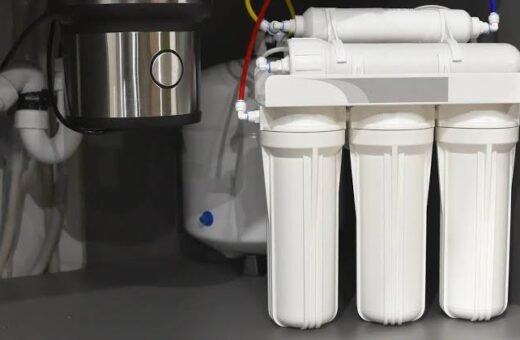
Professional water treatment services can help homeowners identify water-quality concerns and determine whether filtration, softening, disinfection or another treatment approach is appropriate.
The important part is matching the solution to the actual problem. More equipment isn’t automatically better.
Testing Before Treating
It can be tempting to buy a filter simply because a neighbor recommends one.
But water chemistry isn’t identical from house to house.
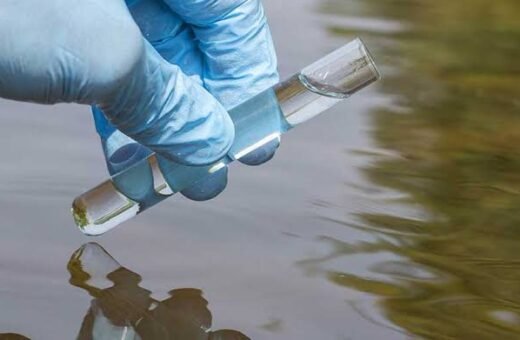
A water test can provide information about hardness, pH, minerals, sediment and other characteristics. Additional testing may be appropriate if there’s concern about a specific contaminant.
Testing can also prevent unnecessary spending. If hardness is the main concern, for example, a softener may be more relevant than a general-purpose filter.
If taste and odor are the issue, another type of treatment may make more sense.
The first question should always be, “What are we actually trying to fix?”
Small Plumbing Problems Rarely Improve on Their Own
A dripping faucet isn’t usually an emergency.
A hidden leak is another story.
Water can damage cabinets, flooring and other materials long before a homeowner realizes where it’s coming from. A slow drain can become a blockage. A worn valve can eventually fail completely.
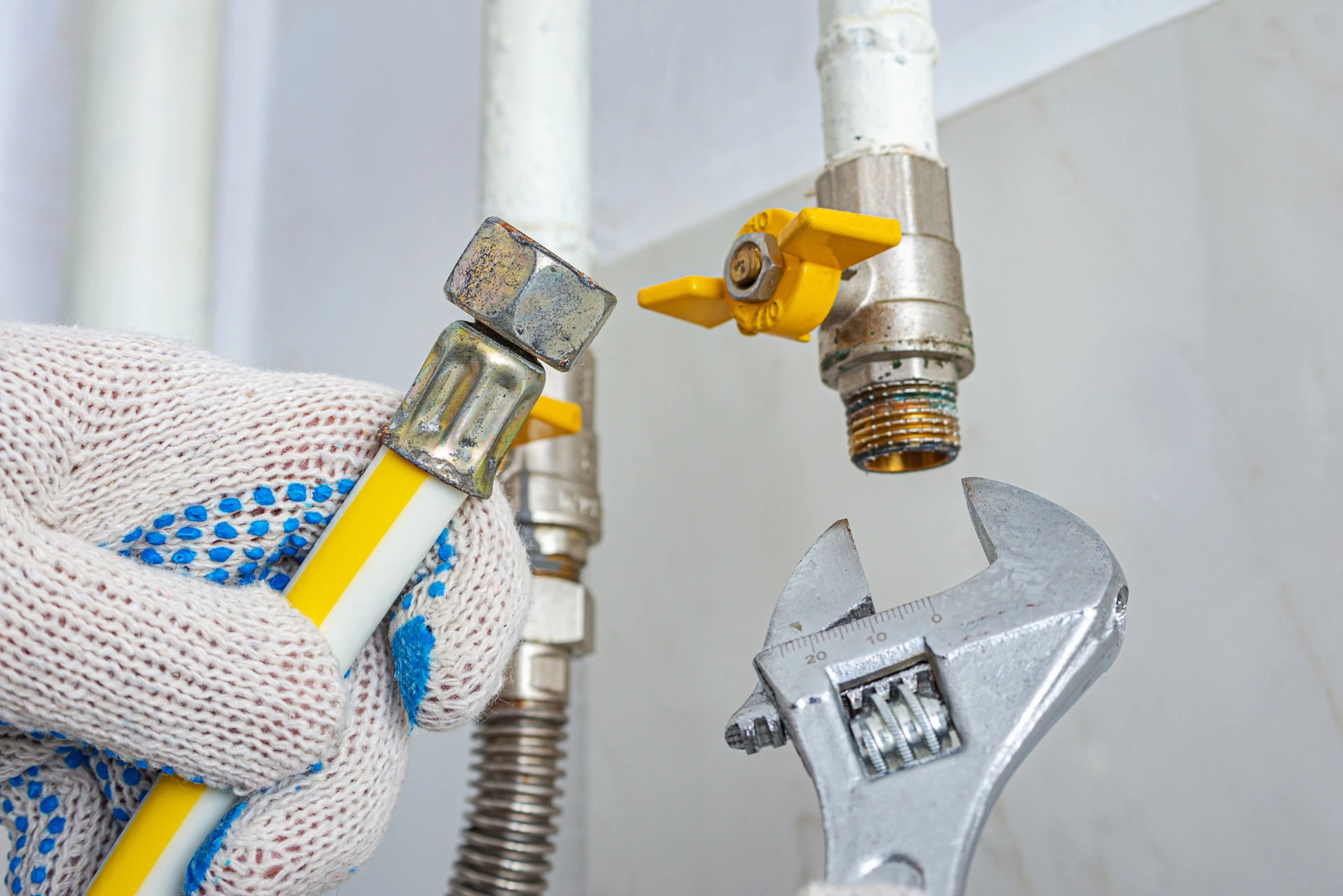
Professional plumbing repairs can address these problems before they grow into larger projects.
That doesn’t mean calling a plumber every time a faucet drips once. It means paying attention when something keeps happening, gets worse or can’t be explained.
Recurring problems deserve a closer look.
Watch Your Water Pressure
Water pressure can be a useful indicator of what’s happening inside a plumbing system.
If pressure suddenly drops throughout the house, there may be a problem with a valve, regulator, supply line or another component.
If only one faucet has weak flow, the cause may be much simpler, such as a clogged aerator.
Pressure that’s unusually high can also cause trouble by placing additional stress on fixtures and pipes.
The important thing is to notice the change.
A plumbing system that has behaved consistently for years shouldn’t suddenly become dramatically different without a reason.
Water Heaters Need Attention, Too
Your water heater works every day, often without anyone thinking about it.
Over time, components wear. Sediment can accumulate in tank-style units. Connections can deteriorate. Heating performance may decline.
Watch for signs such as unusual noises, inconsistent temperatures, rusty-looking water or moisture around the tank.
Sometimes a repair is enough. Sometimes replacement is the more practical option.
The decision should take the unit’s age, condition, repair history and operating costs into account.
Don’t Ignore Drains
Slow drains are one of the most common household plumbing complaints.
Kitchen drains may collect grease and food residue. Bathroom drains can accumulate hair and soap residue.
A simple blockage may be easy to clear, but repeated backups can indicate something farther down the line.
If several fixtures drain slowly at the same time, that’s more concerning than one stubborn bathroom sink.
Pay attention to the pattern.
A professional inspection may be worthwhile if the same drain keeps clogging despite repeated attempts to clear it.
Sewer Problems Can Become Serious Quickly
Sewer-line problems are different from ordinary sink clogs.
When wastewater backs up into a home, there’s a risk of property damage and exposure to potentially contaminated water. Multiple fixtures backing up together can indicate that the problem is located farther along the drainage system.
Underground sewer lines can develop cracks, root intrusion, collapsed sections or damaged connections.
In some situations, a camera inspection can help identify what’s actually happening without unnecessary excavation.
It’s much easier to choose a repair strategy when you know where the problem is.
Think About What Happens After the Repair
Fixing today’s problem is important, but homeowners should also think about what comes next.
If a pipe has failed because of age or corrosion, replacing that one section may solve the immediate leak. But if similar pipes are showing the same signs, another failure may eventually occur nearby.
That’s where future maintenance deserves consideration.
Ask whether the repair changes anything about how the system should be monitored. Find out whether another component is approaching the end of its useful life.
A little planning can prevent the same problem from becoming a recurring appointment.
Renovations Create Opportunities
If you’re remodeling a kitchen or bathroom, don’t overlook the plumbing behind the walls.
Renovations often provide access to areas that would otherwise be expensive to reach.
This doesn’t mean replacing perfectly good pipes just because they’re accessible. But if old plumbing is already showing corrosion, leaks or other signs of deterioration, addressing it during the renovation may make practical sense.
Planning the work while walls are already open can sometimes reduce future disruption.
Maintenance Doesn’t Have to Be Complicated
A simple maintenance routine can go a long way.
Check visible pipes and connections occasionally. Look under sinks for moisture. Keep an eye on your water heater. Don’t ignore persistent drain problems.
Know where the main water shutoff valve is.
If your home has treatment equipment, keep track of filter replacement dates and other service requirements.
These small habits aren’t exciting, but they can make a big difference when something unexpected happens.
Choose Professionals Who Explain Their Work
When hiring a contractor, communication matters.
A good professional should be able to explain what failed, why it failed and what options are available.
Ask about materials, warranties and expected timelines. For larger projects, ask whether permits or inspections are required.
You shouldn’t feel pressured into buying equipment or approving work you don’t understand.
Clear explanations make it easier to make a sensible decision.
Don’t Always Choose the Quickest Fix
There are times when a quick repair is exactly what a home needs.
There are also times when a quick fix simply delays a larger problem.
If the same leak has been repaired several times, if drains repeatedly back up or if an aging water heater constantly needs service, step back and consider the bigger picture.
The cheapest solution today isn’t always the least expensive solution over five years.
A Little Planning Goes a Long Way
Water and plumbing systems don’t demand daily attention. They do, however, reward homeowners who notice changes and act before small problems become emergencies.
Test water when appropriate. Maintain treatment equipment. Watch for leaks and pressure changes. Keep drains clear. Address aging components before they fail unexpectedly.
Most importantly, don’t be afraid to ask questions.
A reliable home isn’t one where nothing ever goes wrong. That’s unrealistic. It’s one where problems are noticed early, diagnosed properly and handled thoughtfully.
When your plumbing works quietly, your water tastes right, and the water heater delivers a hot shower whenever you need one, you probably won’t think about the system at all.
And honestly, that’s the best sign that you’re taking care of it properly.