Choosing equipment, services, or technical solutions can feel surprisingly complicated. There are product specifications to compare, different installation requirements to consider, and plenty of advice available online. Some of it is useful. Some of it only creates more confusion. When every option seems to promise better performance, lower costs, and long-term reliability, knowing where to begin becomes a challenge in itself.
The truth is, good decisions rarely come from choosing the most expensive product or following the latest trend. They come from understanding what you actually need and finding information that fits your situation. Whether you are planning a home improvement project, upgrading a commercial setup, or maintaining an existing system, practical guidance can help you avoid mistakes and make the process much easier.
Start With the Problem, Not the Product
One of the most common mistakes people make is searching for products before clearly identifying the problem. They may see an attractive filter, pump, control unit, or accessory and assume it will solve everything. But a product can only perform properly when it is suitable for the conditions in which it will be used.
Begin by asking a few basic questions. What is not working as expected? Is the issue related to performance, water quality, pressure, capacity, efficiency, or maintenance? Has the problem appeared suddenly, or has it developed gradually? Are there any existing components that must remain in place?
These questions create a clearer starting point. Instead of trying to find a universal solution, you can focus on equipment and services designed for the actual situation.
This is where system guidance becomes valuable. The right advice helps connect the problem to a realistic solution, rather than encouraging customers to purchase something simply because it is popular or heavily advertised.
Understanding How Components Work Together
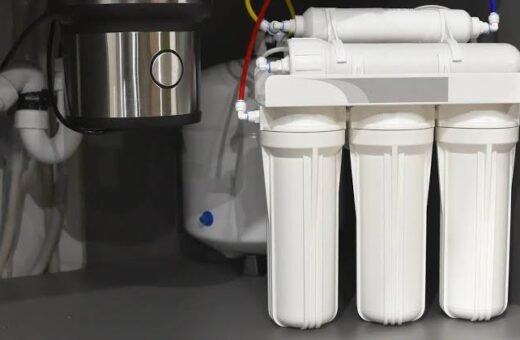
Most technical systems are made up of several connected parts. A pump, filter, valve, pipe, tank, controller, or treatment component may each have a specific role, but their performance depends on how well they work together.
For example, a filter with a low flow capacity may restrict a system that requires a higher water volume. A pump that is too powerful may create unnecessary pressure and stress on pipes or fittings. A control valve may be excellent in quality but unsuitable for the size or configuration of the equipment around it.
Compatibility is therefore just as important as individual product quality. Before buying anything, review connection sizes, operating limits, flow rates, pressure requirements, materials, and installation instructions. These details may not be exciting, but they can prevent costly problems.
It is also worth checking whether replacement parts will remain available. A product that performs well today may become difficult to maintain if its cartridges, seals, controls, or other components are hard to source.
Why the Right System Depends on Your Situation
There is no single solution that works perfectly for every property or application. A small home, a large commercial building, a garden irrigation area, and an industrial facility will all have different requirements.
Even two homes in the same neighborhood may need different equipment. Water quality can vary, usage patterns are not always the same, and existing plumbing may influence what can realistically be installed. Space, budget, maintenance preferences, and future expansion also matter.
Selecting the right system means considering the full picture. A solution should be large enough to meet demand but not unnecessarily oversized. It should address the main concern without adding complicated features that provide little practical benefit.
A good provider will ask questions before making recommendations. They may want to know about daily usage, water source, property size, existing equipment, and the problems you have noticed. This process might take a little longer, but it usually leads to a more suitable result.
The Importance of Clear Product Information
Product descriptions often contain technical language that can be difficult for the average customer to interpret. Terms such as capacity, micron rating, pressure range, regeneration cycle, flow rate, and operating temperature may be important, but they are not always self-explanatory.
Reliable product information should explain what a component does, where it is used, what conditions it can handle, and what limitations it may have. It should also make clear whether accessories, fittings, installation materials, or replacement parts are included.
Customers should not have to guess whether a product will fit their existing setup. If the information is incomplete, ask for clarification before placing an order. A trustworthy supplier should be willing to explain specifications in plain language.
Good documentation also makes future maintenance easier. Installation manuals, warranty details, service instructions, and replacement schedules can all help customers manage their equipment more confidently.
Professional Installation Is About More Than Assembly
Some products appear easy to install, but even a straightforward setup can go wrong if important details are overlooked. Incorrect connections, poor alignment, unsuitable placement, or inadequate drainage can affect performance and shorten equipment life.
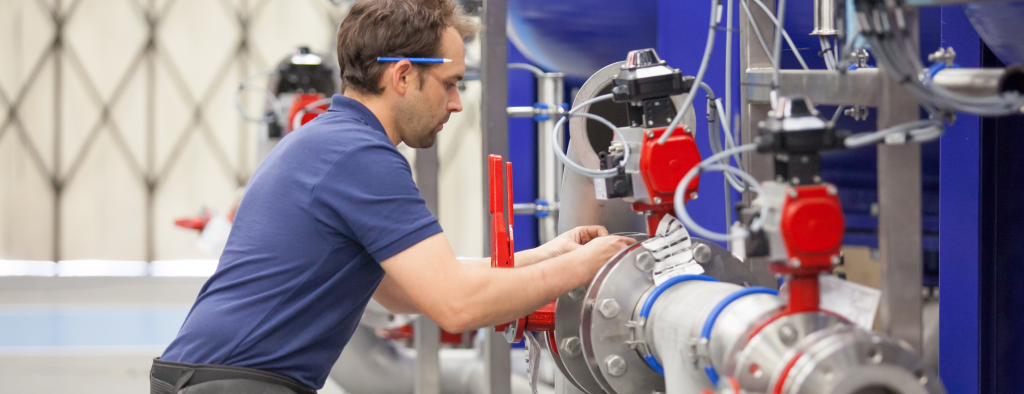
Professional installation involves more than assembling components. It includes assessing the site, checking existing infrastructure, following safety requirements, testing the system, and making sure the customer understands how to use it.
A qualified installer can also identify problems before they become expensive. For example, they may notice weak pipework, insufficient space, unsuitable electrical access, or pressure conditions that could affect the equipment.
When installation is handled properly, the system is more likely to operate efficiently from the beginning. It also gives the customer a clear point of contact if questions arise later.
Support Should Continue After the Purchase
A customer’s experience should not end when the equipment is delivered or the installation is completed. Technical products often require maintenance, adjustments, replacement parts, or occasional troubleshooting. Without dependable assistance, even a good product can become difficult to manage.
Look for providers that offer built for support service experiences, including accessible communication, product advice, maintenance information, and practical follow-up. Support does not always mean 24-hour availability. It means the provider has a clear process for handling questions and concerns.
This is particularly important when a system affects daily routines or business operations. A delayed response to a technical issue can lead to inconvenience, downtime, or additional expenses. A responsive support team can help resolve smaller problems before they become serious.
Before choosing a provider, ask what kind of assistance is available after installation. Find out whether servicing is offered, how replacement parts are handled, and whether troubleshooting advice is included.
Balancing Cost With Long-Term Value
Price is an important factor, but it should not be the only one. A low-cost product may seem attractive initially, yet it could require frequent repairs, use more energy, or have expensive replacement components. Meanwhile, a premium product may include features that are unnecessary for your needs.
A better approach is to consider total value. Compare expected lifespan, maintenance requirements, warranty coverage, operating costs, installation expenses, and ease of repair. Sometimes spending a little more upfront can reduce long-term inconvenience. In other cases, a simpler product may be the more sensible choice.
The goal is not to spend the most. It is to invest in equipment and services that provide dependable performance without creating unnecessary complexity.
Making Confident Decisions Without Feeling Overwhelmed
Good decisions become easier when the process is broken into manageable steps. Identify the problem first, gather accurate information, compare compatible options, and ask questions before committing. Do not be afraid to request a second explanation if something is unclear.
It is also helpful to keep records of quotes, product details, warranties, installation documents, and maintenance schedules. These records can save time later and make future service conversations more productive.
Ultimately, choosing a system is not just about buying equipment. It is about creating a solution that fits your needs, works reliably, and can be maintained over time. With honest information, thoughtful planning, and dependable professional assistance, the process becomes far less intimidating.
The right guidance does not remove every decision, but it helps you make those decisions with greater confidence. And that confidence often becomes one of the most valuable parts of the entire investment.