Most homeowners don’t think much about their water treatment equipment when everything is working properly. That’s actually a good sign. A well-maintained system should sit quietly in the background, treating water without becoming another household problem to manage.
Still, no system lasts forever.
Filters become dirty, treatment media gradually loses effectiveness, valves wear out, and settings can drift away from what your household actually needs. The good news is that regular attention can make a surprisingly big difference. You don’t have to become a water-treatment expert or spend every weekend inspecting tanks and pipes.
A few sensible habits, combined with timely professional service, can help you extend your system’s lifespan and get better value from the equipment you’ve already paid for.
Know What Your System Is Designed to Do
Before worrying about maintenance, understand what your equipment is actually treating.
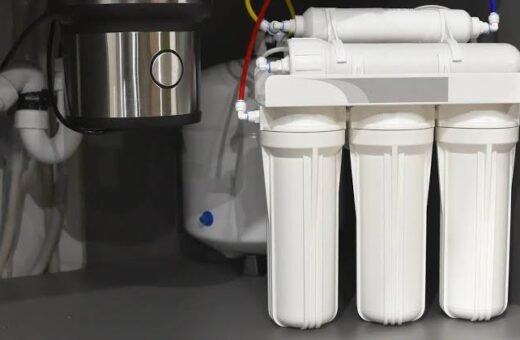
A softener is primarily designed to address hardness minerals. A carbon filter may target chlorine, tastes, and odors. Reverse osmosis is commonly used for more intensive drinking-water treatment. Specialized filtration can address particular contaminants or water conditions.
Knowing the purpose of each component makes maintenance easier because you’ll have a better idea of what normal performance looks like.
Keep the manufacturer’s information somewhere accessible, too. That old folder sitting in a cabinet may seem unimportant until you need a model number or replacement specification.
Don’t Ignore the Filters
Filters are among the simplest parts of a treatment system to maintain, but they’re also easy to forget.
A filter that’s past its useful life may become less effective and, depending on the design, restrict water flow. Waiting until water pressure drops dramatically isn’t the best maintenance strategy.
Replacement schedules vary by filter type, water quality, and household consumption. If your water contains a lot of sediment, for example, a filter may load up sooner than expected.
Rather than relying solely on a generic calendar reminder, pay attention to actual usage and the manufacturer’s recommendations.
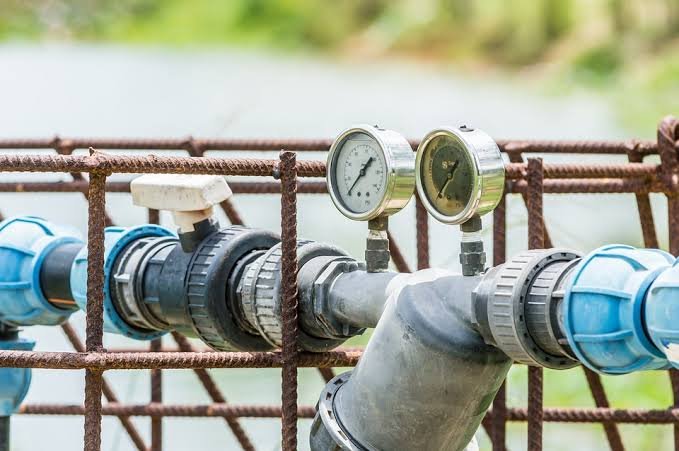
Keep an Eye on Water Pressure
A gradual reduction in water pressure can be easy to overlook.
You might first notice that the shower doesn’t feel quite as strong or that a faucet takes longer to fill a container. Sometimes the cause is unrelated to filtration, but a clogged cartridge or restricted treatment component can also be responsible.
If pressure changes suddenly, investigate it instead of simply turning up another faucet or ignoring the issue.
A professional can determine whether the restriction is inside the treatment equipment, somewhere in the plumbing, or related to the incoming supply.
Catching a small problem early is usually much easier than dealing with a complete failure.
Watch for Changes in Water Quality
Your water can provide useful clues about how the system is performing.
Maybe mineral scale has started returning around faucets. Perhaps there’s an unusual taste or odor that wasn’t there before. You might also notice staining, cloudy water, or other changes.
Don’t assume that every change means your equipment needs to be replaced.
A filter may need changing. A softener may require salt or adjustment. A control valve could need service. Or the source water itself may have changed.
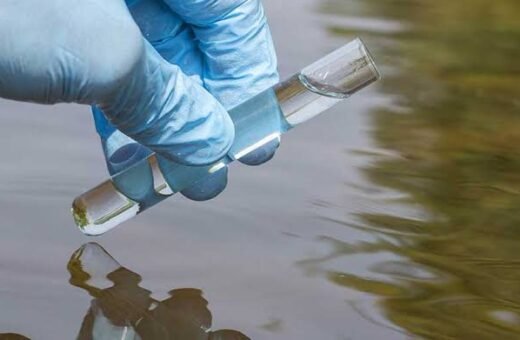
Testing is often the quickest way to understand what’s happening.
Regular Maintenance Is Cheaper Than Neglect
It isn’t particularly exciting, but routine maintenance matters.
A technician can inspect valves, connections, tanks, media, settings, and other components that homeowners may not notice during everyday use.
This is especially useful for an older water treatment system, where small mechanical problems can become more significant if they’re ignored.
Regular service also gives you a record of the equipment’s condition. If a major repair eventually becomes necessary, you’ll have a better idea of whether it’s an isolated problem or part of a larger pattern of aging.
Check the System for Leaks
Every so often, take a quick look around the equipment.
You don’t need special tools. Look for damp flooring, water around connections, corrosion, unusual sounds, or moisture where there shouldn’t be any.
Small leaks aren’t always dramatic. A slow drip can continue for weeks before anyone notices, potentially damaging surrounding materials or equipment.
If you find moisture near a connection, don’t simply wipe it up and forget about it. Determine where the water is coming from.
Some leaks are easy to correct. Others may require professional attention.
Don’t Change Settings Without a Reason
Modern treatment equipment can have several adjustable settings.
That’s useful, but it also means there’s room for accidental changes.
If someone adjusts hardness settings, regeneration schedules, flow controls, or other parameters without understanding what they do, the system may use more resources or provide less effective treatment.
If your water usage or water quality has changed, adjustments may be appropriate. Just make them based on actual information rather than guesswork.
When in doubt, ask a technician to review the settings.
Salt-Based Softeners Need Attention
If your system uses salt for regeneration, don’t allow the salt supply to become an afterthought.
Running completely out of salt can interrupt normal softening performance. How frequently you need to replenish the supply depends on water hardness, household consumption, system settings, and equipment efficiency.
Keep an eye on the tank and avoid creating a last-minute emergency every time it gets low.
If you’re using substantially more salt than expected, have the system checked. Excessive consumption may be related to settings, water conditions, or equipment performance.
Test the Water From Time to Time
A water test gives you information that your eyes and taste buds can’t provide.
Testing can help identify hardness and other water-quality characteristics and can be particularly useful when something changes.
It’s also helpful after significant plumbing work, changes to a private water source, or modifications to your treatment equipment.
Don’t assume that a treatment system will produce exactly the same results forever. Water conditions can change, and equipment performance can change with them.
A periodic test provides a useful reference point.
Give Older Equipment an Honest Evaluation
Maintenance can extend the life of equipment, but it can’t make aging components last forever.
If your system is becoming increasingly difficult to repair, replacement parts are unavailable, or service costs are climbing, it’s worth considering whether continued repairs are financially sensible.
An old system that needs one inexpensive part may be worth repairing.
An old system that needs one expensive component today and several others are likely to follow soon is a different story.
Ask for an honest assessment before spending money.
Know When an Upgrade Is Better
Sometimes improving an existing system isn’t enough.
Newer equipment may offer more efficient operation, improved controls, easier maintenance, or better compatibility with current water conditions.
If you’re considering replacement, an upgrade consultation can help you compare the condition of your existing equipment with newer options.
A useful consultation should consider your water quality, household size, water demand, current maintenance costs, and long-term expectations.
You don’t necessarily need the most sophisticated equipment available. You need the equipment that makes sense for your situation.
Keep the Area Around the Equipment Accessible
This sounds minor, but it matters.
Don’t stack boxes, cleaning supplies, or miscellaneous household items around the treatment equipment. Technicians need enough room to inspect and service the system safely.
Keeping the area clear also makes leaks and other problems easier to spot.
If the equipment is tucked behind a mountain of storage bins, you’re much less likely to notice a problem until it becomes obvious.
A little breathing room goes a long way.
Use the Right Replacement Parts
When something needs replacing, use components that are appropriate for the system.
Cheap or incompatible parts can create problems that weren’t there before. Filters, valves, fittings, membranes, and other components aren’t necessarily interchangeable just because they look similar.
If you’re unsure, check the manufacturer’s specifications or ask a qualified technician.
Saving a few dollars on the wrong part isn’t much of a saving if it leads to another service call.
Treat Maintenance as Part of Ownership
Water treatment equipment is an investment, and maintenance is simply part of owning it.
You wouldn’t expect a vehicle to run indefinitely without oil changes, inspections, or replacement parts. Water treatment equipment deserves the same basic mindset.
Keep filters current. Watch pressure. Check for leaks. Maintain salt supplies where applicable. Test the water when conditions change. Schedule professional inspections when needed.
Most importantly, pay attention when something feels different.
A strange noise, unusual taste, returning scale, or sudden pressure change may seem insignificant at first. Sometimes it is. Sometimes it’s the first warning that a component needs attention.
A Little Attention Can Save a Lot of Trouble
You don’t need to obsess over your water treatment equipment.
In fact, the whole point of a good system is to make life easier, not create another hobby.
But a few minutes of attention here and there can prevent avoidable problems and help you get more useful years from the equipment.
Understand what your system does. Follow the maintenance schedule. Replace consumable parts when necessary. Test the water when something changes. And when repairs begin piling up, step back and consider the bigger picture.
A properly maintained system should quietly do its job without demanding much from you.
That’s the sweet spot — dependable water treatment, manageable maintenance, and equipment that keeps working long after the excitement of installation has worn off.