There’s a strange thing about home comfort: when everything is working, nobody really thinks about it. The air conditioner runs quietly in the background, the house stays at a pleasant temperature, and the thermostat becomes little more than a number on the wall.
Then something changes.
The air coming from the vents isn’t quite as cool. A bedroom feels warmer than the rest of the house. The system starts running longer, or maybe it makes a noise you’ve never heard before. Suddenly, that quiet piece of equipment has your full attention.
Heating and cooling systems are a major part of everyday life, especially when outdoor temperatures become uncomfortable. Keeping them dependable isn’t necessarily complicated, but it does require the right combination of equipment, maintenance, timely repairs, and professional attention.
Comfort Starts With the Right System
Every home has different needs. A small, well-insulated house won’t necessarily require the same HVAC setup as a large property with several floors, older windows, or extensive sun exposure.
That’s why choosing equipment based only on size or price can be a mistake.
Proper heating and air conditioning solutions should take the building’s layout, insulation, airflow, occupancy, and local climate into account. Equipment that is too large may cycle too frequently, while a system that’s too small can struggle during extreme weather.
The goal isn’t simply to make the system powerful. It’s to make it appropriate.
A properly sized system can provide more consistent comfort and may operate more efficiently than equipment that was selected in a hurry.
Don’t Ignore Changes in Performance
HVAC problems don’t always arrive dramatically.
Sometimes the first sign is subtle. The system takes longer to reach the thermostat setting. Airflow feels weaker. Certain rooms become noticeably warmer. Energy bills creep upward even though your daily habits haven’t changed.
These changes are easy to dismiss.
After all, if the air conditioner is still running, it must be working.
Not necessarily.
Small performance changes can sometimes indicate restricted airflow, dirty components, electrical issues, refrigerant-related concerns, or mechanical wear. Having the system checked early can make it easier to identify the cause before the problem develops further.
Maintenance Is an Investment in Reliability
Nobody gets excited about HVAC maintenance. It’s one of those jobs that feels easy to postpone because there isn’t an obvious reward for doing it.
But maintenance is really about avoiding preventable trouble.
Homeowners should check filters regularly and replace or clean them according to the manufacturer’s recommendations. Outdoor equipment should remain reasonably clear of leaves, grass, and other debris. Vents and registers shouldn’t be blocked by furniture or household items.
Professional inspections can go deeper.
A technician can assess system performance, inspect appropriate components, identify signs of wear, and look for conditions that could affect efficiency or reliability.
It won’t make equipment immortal. Nothing does. But a little attention can go a surprisingly long way.
When the Air Conditioner Stops Cooling
A warm house in the middle of hot weather can become uncomfortable fast.
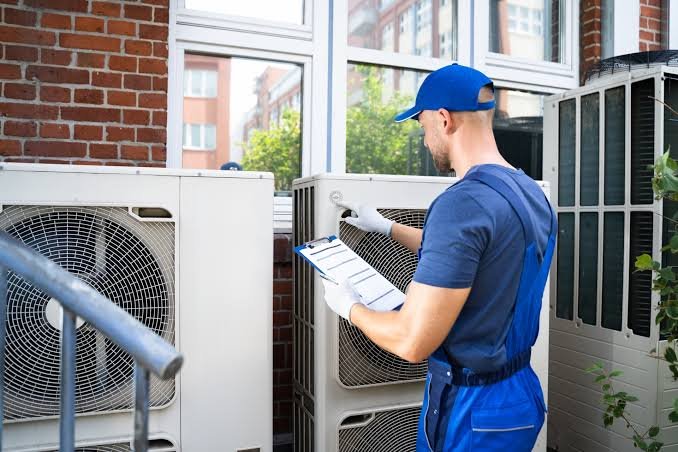
If the system is running but not cooling properly, start with basic checks. Confirm the thermostat is set correctly and make sure the filter isn’t severely clogged. Check that the outdoor unit has power and isn’t visibly obstructed.
If the issue continues, it’s time for professional help.
Professional air conditioning repair begins with diagnosis. A technician may need to examine electrical components, airflow, controls, coils, motors, or other parts to determine why the system isn’t performing properly.
Avoid repeatedly resetting equipment that shows signs of serious malfunction. A system making unusual noises, producing smoke, or showing electrical problems shouldn’t be treated as a DIY experiment.
Sometimes the safest approach is simply to switch it off and call someone qualified.
Know When to Schedule Service
One of the biggest HVAC mistakes homeowners make is waiting until the system completely fails.
There’s a practical reason for this. When the equipment is still running, a repair doesn’t feel urgent.
But if your system has been behaving strangely for several weeks, it’s worth acting before the first major heat wave or cold snap arrives.
If you notice repeated short cycling, unusual sounds, weak airflow, unpleasant odors, or inconsistent temperatures, schedule service rather than hoping the problem disappears.
It might be a minor issue. It might be something more significant. Either way, knowing what’s happening gives you options.
Your Thermostat Isn’t Always the Problem
Thermostats get blamed for a surprising number of comfort issues.
Sometimes that’s justified. A faulty thermostat can certainly cause problems. But uneven temperatures may also come from ductwork, insulation, airflow restrictions, poorly positioned vents, or equipment sizing.
Imagine a bedroom that’s always warmer than the rest of the house. Lowering the thermostat may make the air conditioner run longer, but it doesn’t necessarily solve why that room isn’t receiving enough conditioned air.
A professional assessment can help identify whether the problem starts at the thermostat or somewhere else entirely.
Airflow Deserves More Attention
Good airflow is one of the less glamorous parts of HVAC performance, but it matters enormously.
Blocked registers, dirty filters, damaged ducts, closed dampers, or poorly designed ductwork can interfere with the movement of conditioned air.
In some homes, ducts may run through hot attics or other spaces where leakage can reduce efficiency. Sealing appropriate duct connections and improving insulation can sometimes help the existing system perform better.
This is why replacing the air conditioner isn’t always the first answer.
Sometimes the equipment isn’t the real problem.
Repair or Replace?
Eventually, every HVAC system reaches the point where homeowners need to consider replacement.
The difficult part is deciding when.
If a relatively new system has a single failed component, repair may make perfect sense. If an older unit has required several expensive repairs and continues to struggle, replacement could be more practical.
Consider age, repair history, efficiency, warranty coverage, comfort problems, and anticipated future expenses.
Don’t be afraid to ask a technician for a straightforward comparison between repairing the existing equipment and replacing it.
You don’t necessarily need the newest system on the market. You need one that makes financial and practical sense for your home.
Installation Quality Matters
Even excellent equipment can perform poorly when installation is rushed or careless.
Correct sizing is only the beginning. Electrical connections, refrigerant lines, drainage, airflow, controls, ductwork, and manufacturer specifications all need appropriate attention.
A professional installation should also consider future service access. Equipment that is difficult to reach may make routine maintenance more expensive and inconvenient later.
When comparing contractors, don’t look only at the equipment brand. Ask about installation practices, warranties, experience, and what happens if something needs adjustment after the system is running.
Comfort Isn’t Just About Temperature
Humidity, airflow, air quality, noise, and consistency can all influence how comfortable a home feels.
A thermostat reading 72 degrees doesn’t guarantee that everyone in the house feels comfortable. One room might be too warm, another too cool, while excessive humidity makes the entire home feel unpleasant.
That’s why a thoughtful HVAC approach considers the home as a complete environment.
Sometimes a small improvement — better airflow, a thermostat adjustment, filter replacement, or sealing an obvious duct issue — can make a noticeable difference.
Make Comfort Part of Your Home-Care Routine
HVAC equipment isn’t exciting. It doesn’t have the charm of a renovated kitchen or a landscaped backyard.
But it quietly influences almost every moment you spend at home.
Pay attention to changes in performance. Keep up with simple maintenance. Don’t ignore strange noises or unexplained energy increases. And when professional service is needed, choose someone who will diagnose the problem rather than simply sell you a replacement.
Good heating and cooling should feel almost invisible.
The house stays comfortable. The air moves quietly. The equipment does its job.
And you get to forget about it again — which, in the end, is probably the best sign that your HVAC system is doing exactly what it should.