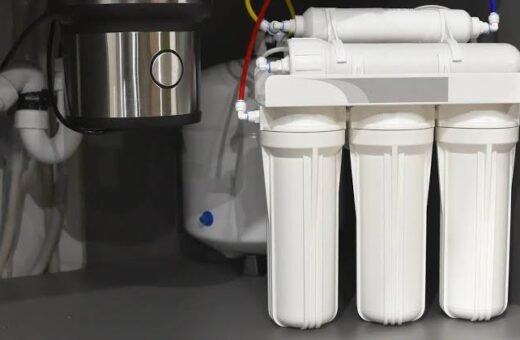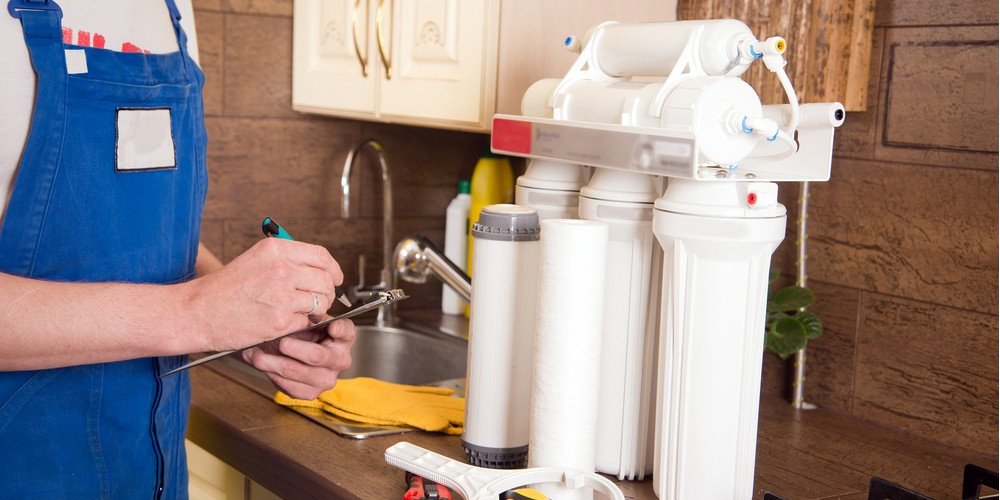
A water treatment system is easy to appreciate when everything is working quietly in the background. The water tastes better, fixtures stay cleaner, and you don’t have to think twice before filling a glass.
Then something changes.
Water pressure drops. A filter clogs. The softener stops regenerating properly. Maybe you notice an unfamiliar taste or see scale returning around the faucet. Suddenly, that equipment tucked away in the basement or utility room becomes very important.
The good news is that many treatment problems don’t have to become major failures. Regular attention, timely replacement of consumable parts, and professional help when necessary can keep a system performing reliably for years.
The trick is not waiting until there’s a problem.
Every Water System Needs Some Attention
Modern water treatment equipment is designed to be durable, but no system is completely maintenance-free.
Filters collect particles and eventually become restricted. Softener components operate through repeated regeneration cycles. Pumps, valves, tanks, controls, and other mechanical parts experience normal wear.
That’s where maintenance & repair becomes part of owning the system rather than something you think about only when water quality gets worse.
Routine inspections can catch small issues before they turn into expensive repairs. A technician may notice a worn connection, unusual pressure behavior, an aging valve, or another issue that isn’t obvious to the homeowner.
It’s a little like servicing a car. You don’t wait for the engine to stop before changing the oil.
Filters Have a Limited Working Life
One of the simplest maintenance tasks is also one of the easiest to forget.
Filters don’t last forever.
Sediment cartridges gradually fill with particles. Carbon filters eventually lose their ability to adsorb certain substances. Specialized media also have finite capacities.
The replacement interval depends on water quality, household usage, filter size, and system design.
That’s why replacing a cartridge based solely on a generic calendar reminder isn’t always ideal. A busy household with sediment-heavy water may use a filter much faster than a lightly used system with relatively clean incoming water.
Watch for changes in pressure, taste, odor, or system performance.
When the manufacturer specifies a replacement schedule, follow it unless a qualified professional recommends otherwise.
Don’t Put Off Filter Replacements
Timely filter replacements protect more than the quality of the water.
A heavily loaded filter can restrict flow and force equipment to work harder. In systems with multiple treatment stages, a neglected prefilter can also affect components farther downstream.
Keep track of when cartridges are installed.
A simple note on your phone can be enough. Write down the date, filter type, and any observations about water quality or pressure.
Then the next replacement isn’t a guessing game.
If you’re unsure which filter belongs in the system, check the model information or ask a qualified service provider. Installing the wrong cartridge can compromise performance even if it fits physically.
Water Softeners Need Their Own Kind of Care
Water softeners have moving parts and operating cycles that deserve attention.
Depending on the system, maintenance may involve checking salt levels, cleaning the brine tank, inspecting the control valve, confirming regeneration settings, and watching for changes in water hardness.
A softener that isn’t regenerating properly may gradually allow hardness minerals back into the household supply.
You might notice spots returning on dishes, scale around faucets, or changes in how soap behaves.
Don’t immediately assume the resin bed has failed.
Sometimes the issue is something much simpler, such as an incorrect setting, salt bridging, a mechanical problem, or a lack of water reaching the brine tank.
A proper diagnosis can save you from replacing equipment unnecessarily.
Salt Delivery Can Make Ownership Easier
For households using traditional salt-based softeners, running out of salt is a surprisingly common problem.
It’s easy to forget about the brine tank until you notice that the water isn’t behaving the way it normally does.
A scheduled salt delivery service can remove one chore from the household routine. Instead of constantly checking inventory and making emergency trips to buy heavy bags, deliveries can be arranged around expected usage.
This can be especially convenient for larger households or properties where water consumption is high.
Of course, salt requirements vary by system and water hardness. A well-adjusted softener shouldn’t necessarily consume salt excessively.
If you’re going through salt much faster than expected, it’s worth investigating why.
Watch for Changes in Water Pressure
Pressure changes are often an early clue that something isn’t right.
A clogged sediment filter can reduce flow. A valve may be malfunctioning. There could be a plumbing issue unrelated to the treatment equipment.
Don’t automatically blame the filter.
Check whether the pressure problem occurs throughout the house or only at particular fixtures. If every faucet suddenly feels weaker, the cause may be upstream.
If the change is isolated to one location, the issue may be local.
These small observations can help a technician diagnose the problem more efficiently.
Leaks Should Never Be Ignored
A small drip around a filter housing might seem harmless.
It isn’t something to ignore.
Water can damage flooring, cabinetry, insulation, and other materials long before the leak becomes dramatic. Connections can loosen, seals can deteriorate, and pressure changes can expose weaknesses.
If you notice moisture around treatment equipment, shut off the appropriate water supply if you can do so safely and investigate the cause.
When you’re unsure, call a professional.
A ten-minute service visit is generally preferable to discovering a soaked utility room after a weekend away.
Keep an Eye on Older Equipment
Water treatment systems can last for many years, but eventually replacement becomes more practical than repair.
The age of the equipment matters, particularly when replacement parts are becoming difficult to find.
An older system may also consume more water, salt, or energy than newer designs.
That doesn’t mean you should replace equipment simply because a newer model exists. If the current system works well and parts are readily available, continued maintenance may make perfect sense.
But if repairs become frequent, performance remains inconsistent, and replacement parts are expensive, it may be time to compare options.
Professional Service Has a Place
There are plenty of simple tasks homeowners can handle.
Replacing a standard filter cartridge is usually straightforward. Checking salt levels is simple. Keeping the equipment area clean and dry is common sense.
More complicated repairs are another matter.
Electrical components, pressurized tanks, chemical injection equipment, control valves, pumps, and plumbing connections may require specialized knowledge.
Trying to repair something beyond your experience can create safety risks or cause additional damage.
When professional service is needed, choose someone who understands the specific type of treatment equipment installed in your home.
Keep Your System Area Accessible
This sounds almost too basic, but it matters.
Don’t bury treatment equipment behind boxes, storage bins, or piles of household supplies.
Technicians need room to inspect and service components. Homeowners also need to be able to see leaks, check salt levels, and identify warning signs.
A clean equipment area makes routine maintenance easier.
It also reduces the chance that a small problem goes unnoticed simply because nobody can reach the system.
Maintenance Records Are Surprisingly Useful
Keep records of repairs, filter changes, salt deliveries, media replacements, and water tests.
Over time, these records create a useful history.
If water pressure begins dropping every few months, you may notice a pattern. If a filter suddenly lasts half as long as it used to, that could point toward a change in incoming water conditions.
Records can also help when selling a home or discussing the system with a new service technician.
You don’t need anything fancy. A notebook or simple digital document works perfectly well.
Know When It’s Time to Call for Help
Some warning signs deserve professional attention.
These include persistent leaks, unusual noises, repeated pressure loss, unexplained changes in water quality, equipment that repeatedly fails to complete its cycle, or treatment performance that doesn’t improve after routine maintenance.
Don’t keep resetting a system and hoping the issue disappears.
A recurring problem usually has a cause.
Finding that cause early can prevent a much larger repair later.
Reliable Treatment Starts With Consistent Care
Water treatment equipment isn’t particularly glamorous. Most of it sits quietly in a corner doing its job, which is exactly how it should be.
But that quiet reliability doesn’t happen by accident.
Replace filters when they’re due. Keep softeners supplied and properly adjusted. Watch for leaks and pressure changes. Schedule service when equipment needs professional attention. Keep records so you know what’s been done and when.
Small habits make a difference.
The goal isn’t to spend every weekend thinking about your water system. It’s actually the opposite. A little routine care means you can install the equipment, maintain it properly, and then get back to everything else.
When treatment equipment is cared for consistently, it has a much better chance of delivering what you bought it for in the first place: dependable water quality without unnecessary hassle.