A comfortable home depends on more than attractive rooms and reliable appliances. Clean water, properly working plumbing, and safe electrical systems all play a part in making everyday life run smoothly. Most of the time, these systems work quietly in the background. You turn on the shower, wash a load of laundry, prepare dinner, and rarely give a second thought to the equipment making it possible.
Problems become noticeable when something changes. White mineral deposits appear around faucets, drinking water develops an unusual taste, or a circuit breaker starts tripping repeatedly. These warning signs shouldn’t automatically cause alarm, but they do deserve attention. With a little preventive care and the right professional advice, homeowners can improve water quality, protect essential equipment, and avoid many unexpected repairs.
Understanding the Effects of Hard Water
Hard water is a common household concern. It contains higher concentrations of dissolved minerals, particularly calcium and magnesium. These minerals aren’t usually a health concern at typical levels, but they can create practical problems throughout a home.
You might notice cloudy spots on glassware, white residue around showerheads, or soap that doesn’t rinse away easily. Mineral deposits can also accumulate inside water heaters and other appliances, potentially reducing efficiency and increasing maintenance needs over time.
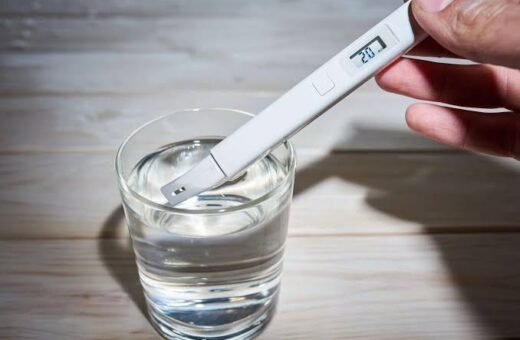
The extent of these problems depends on the hardness of the local water supply and how much water your household uses. That’s why testing is a sensible first step. Rather than purchasing treatment equipment based on a neighbor’s experience or an online recommendation, find out what is actually present in your water.
For households dealing with confirmed hardness, water softening can help reduce calcium and magnesium through an ion-exchange process in many conventional systems. The result is less scale formation, easier cleaning, and potentially improved performance from water-using appliances.
However, water softeners aren’t a universal solution for every water-quality concern. They primarily address hardness minerals, not every possible contaminant. Some systems also require salt, periodic maintenance, and wastewater management during regeneration. Understanding these requirements before installation helps you choose equipment that suits your household and budget.
Choosing the Right Water Treatment System
Water treatment can seem confusing because different products often promise similar results. In reality, filtration and purification technologies perform different jobs. The best choice depends on your water source, test results, and intended use.
Sediment filters remove suspended particles such as sand or rust. Activated carbon filters can reduce certain substances that affect taste and odor. Other specialized systems target specific contaminants, but their effectiveness depends on the technology, correct installation, and maintenance.
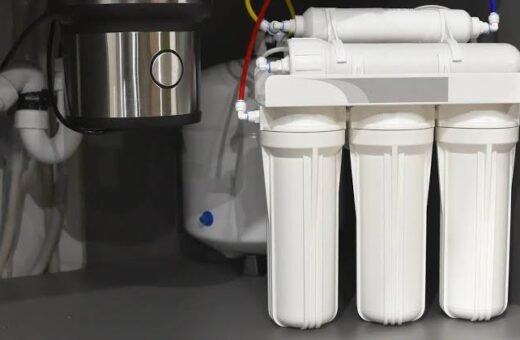
Reverse osmosis is another option worth understanding, particularly for drinking water. During reverse osmosis, water passes through a semipermeable membrane that rejects many dissolved substances while allowing water molecules to pass through. The exact results depend on the equipment and the substances being treated.
A reverse osmosis system is often installed at a kitchen sink or connected to a dedicated drinking-water outlet. Some models include additional filtration stages, while others may use remineralization components to adjust the taste of treated water. Because these systems produce wastewater and require periodic filter and membrane replacement, operating costs should be considered alongside the initial price.
No single treatment method removes every contaminant under every condition. Look for products with credible independent performance certifications that match your specific concerns. If testing identifies a particular contaminant, choose equipment specifically rated to reduce it rather than relying on broad marketing claims.
Protecting Your Plumbing From Everyday Wear
Water quality is only one part of household maintenance. Pipes, faucets, drains, and water heaters also experience regular wear. A small leak can waste water for weeks, while a recurring blockage may signal a deeper drainage problem.
Make a habit of checking the areas beneath sinks and around toilets. Look for dampness, corrosion, loose connections, and unusual odors. Listen for running water when every faucet is turned off, and investigate unexplained increases in your water bill.
Drains need sensible care, too. Avoid pouring cooking grease down the kitchen sink, use screens to catch hair where practical, and dispose of wipes and other unsuitable materials in the trash. If several drains become slow at the same time, the problem may involve a shared drainage line rather than individual fixtures.
Water heaters deserve regular attention because sediment buildup, worn components, and corrosion can affect their performance. Follow the manufacturer’s maintenance recommendations and seek professional help when you notice leaks, inconsistent temperatures, or unusual noises. Replacing a worn component early may prevent a more disruptive failure later.
Electrical Safety Should Never Be an Afterthought
Water and electricity are an especially important combination to manage carefully. Bathrooms, kitchens, laundry areas, and utility rooms contain equipment that must be installed and maintained with appropriate safety precautions.
Warning signs such as frequently tripping breakers, buzzing outlets, warm switch plates, flickering lights, or a burning smell should not be ignored. Although a breaker may trip occasionally because of a temporary overload, repeated trips can indicate a fault that needs investigation.
Professional electrical repairs are important when wiring, outlets, switches, circuit breakers, or electrical equipment show signs of damage. A qualified electrician can identify the cause, make appropriate repairs, and check whether the circuit is suitable for the equipment connected to it.
Never attempt to repair exposed wiring or electrical components near standing water. If an outlet or appliance becomes wet, keep away from the area and avoid touching it. Disconnect power only if doing so is safe, and arrange professional assistance. If you notice smoke, sparks, or a burning odor, treat the situation seriously and contact emergency services when necessary.
It’s also worth checking whether your home’s electrical system can support new appliances. Water heaters, filtration equipment, pumps, and other devices may have specific power requirements. Planning these details before installation can prevent overloaded circuits and costly changes later.
Why Professional Installation and Maintenance Matter
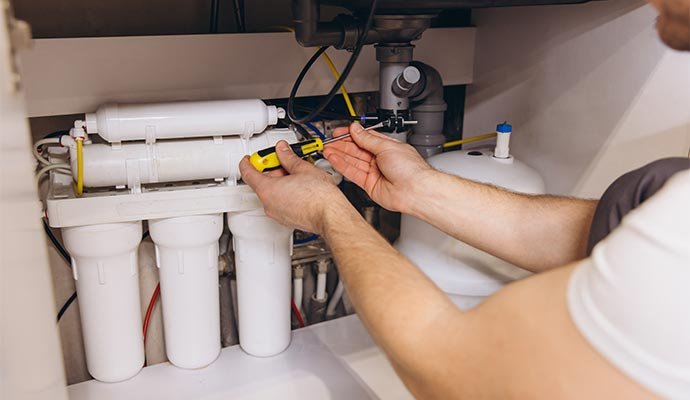
Buying reliable equipment is only part of the process. Correct sizing, suitable connections, and proper installation are equally important. A filtration system that doesn’t match household demand may struggle to provide enough treated water, while poorly fitted plumbing connections can create leaks.
Before starting a project, ask the installer to explain the work involved, expected maintenance, and any changes required to existing plumbing or electrical systems. Request a written estimate and clarify whether permits or inspections are necessary under local regulations.
It also helps to understand the ongoing costs. Replacement filters, treatment salt, membrane changes, electricity, and servicing can all affect the long-term value of a system. A slightly more expensive product may be worthwhile if it offers better performance or lower maintenance costs, but the decision should be based on your actual needs.
Keep the product manuals, installation records, and maintenance dates in one accessible place. These details make it easier to order compatible replacement parts and identify when routine service is due.
Building Better Habits for a More Reliable Home
Home maintenance doesn’t have to become a full-time job. A few simple routines can make a meaningful difference: inspect visible plumbing regularly, respond to leaks promptly, follow water-treatment maintenance schedules, and pay attention to electrical warning signs.
Most importantly, don’t assume that one solution will fix every problem. Water hardness, drinking-water quality, drainage issues, and electrical faults require different approaches. Testing, careful diagnosis, and qualified professional guidance help ensure that money is spent on improvements that genuinely matter.
A well-maintained home is often the result of small decisions made consistently over time. By understanding your water, caring for your plumbing, and treating electrical safety seriously, you can protect essential systems and enjoy greater peace of mind. The goal isn’t to eliminate every possible problem; it’s to recognize trouble early and handle it before it becomes something much bigger.