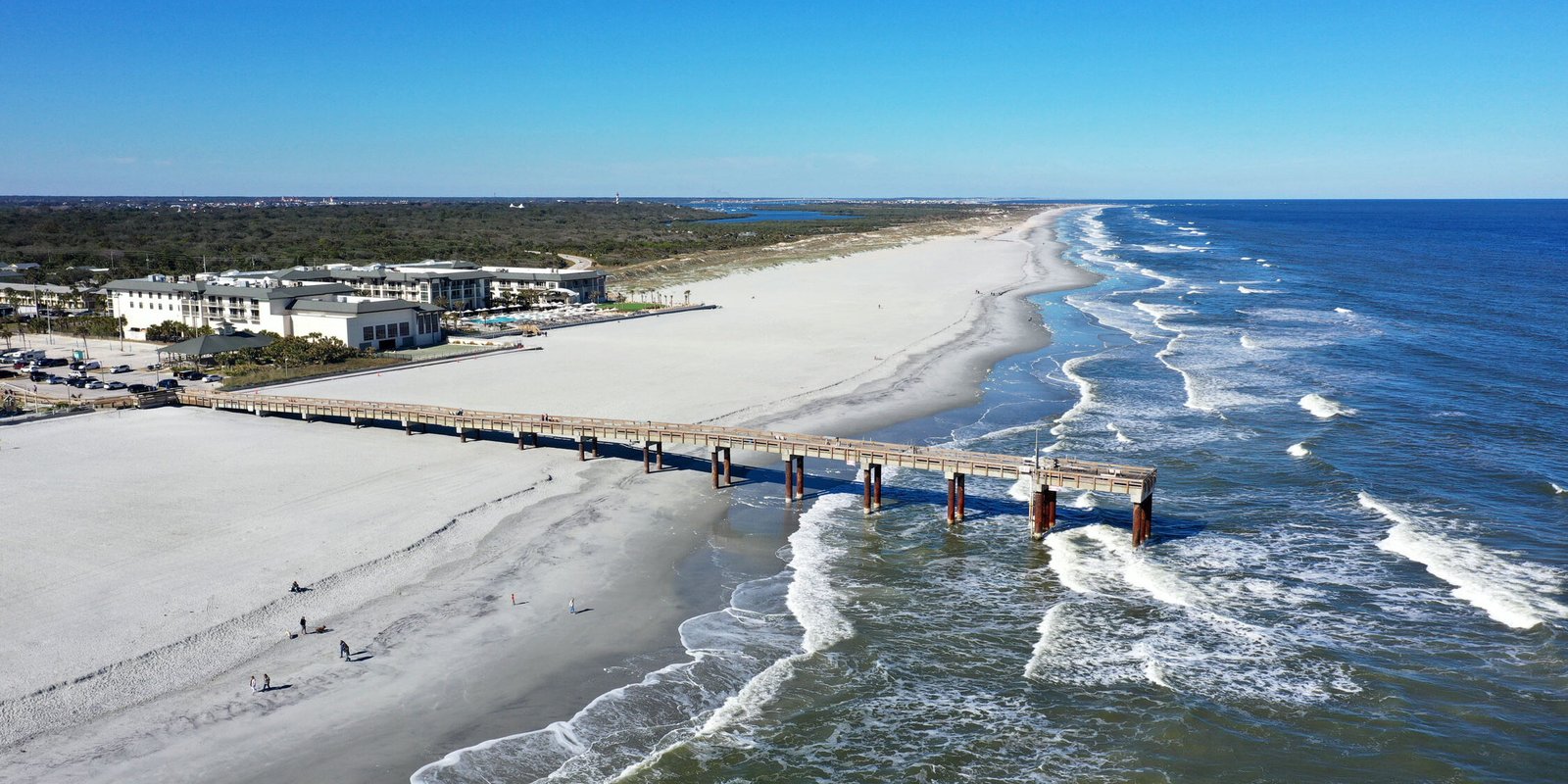
Living near the coast has its perks. There are warm afternoons, salty breezes, long weekends by the water, and that particular feeling of being able to escape outdoors without much planning. But coastal living also comes with practical considerations that aren’t always obvious when you’re enjoying the scenery.
Water is one of them.
The quality of water entering a home can vary because of its source, local geology, municipal treatment, plumbing infrastructure, and environmental conditions. Even homes relatively close together can experience different issues, especially when plumbing systems, water sources, and household demands aren’t identical.
For homeowners, the important thing isn’t becoming a water-quality expert overnight. It’s learning to recognize when the water is telling you something and understanding what kind of treatment might actually help.
Coastal Homes Still Have Everyday Water Problems
People sometimes assume that water concerns are mainly a rural or private-well issue. That’s not really the case.
Municipal water is treated before it reaches your home, but that doesn’t mean every household experiences the water in exactly the same way. Pipes, water heaters, fixtures, and household plumbing can influence what comes out of the tap.
Hard water is a common example. Calcium and magnesium can create scale on showerheads, faucets, and appliances. Some homeowners notice spots on dishes or a film that seems to return immediately after cleaning.
Other homes may be more concerned about taste or odor.
The point is simple: water problems aren’t always dramatic. Often, they’re small annoyances that gradually become part of daily life.
A Growing City Means More Attention to Household Infrastructure
In a rapidly developing area such as jacksonville, homeowners encounter a wide mix of properties, from established neighborhoods to newer construction.
That variety matters.
Older homes may have aging plumbing components, while newer properties may have modern fixtures with different flow requirements. Renovations can also change household water demand. Adding a bathroom, replacing appliances, or upgrading plumbing can affect how much water a treatment system needs to handle.
If a home already has filtration or softening equipment, it’s worth checking whether that system still matches the household.
A treatment unit that was perfectly adequate for two people may struggle when the family grows or water usage increases.
Testing Is Better Than Guessing
When homeowners notice unusual water, the natural reaction is often to buy something.
The water tastes strange, so they purchase a filter. There’s scale, so they buy a softener. There’s an odor, so they search for an odor-removal cartridge.
Sometimes that works.
Sometimes it doesn’t.
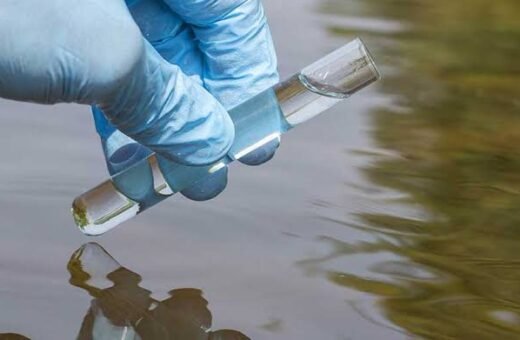
Testing first can make the process much more sensible. Depending on the source and concern, water testing can look at hardness, pH, iron, manganese, chlorine, sediment, and other characteristics.
The results don’t necessarily mean you need a complicated treatment system. In fact, testing can sometimes show that a simple solution is enough.
That’s good news for both the homeowner and the budget.
Historic Homes Deserve a Closer Look
In an older coastal community such as st. augustine, historic and older homes can present a different set of considerations.
The age and condition of plumbing can influence water quality. Renovated properties may have a mixture of older and newer plumbing components, and water flow can change after remodeling.
If you own an older home and notice discoloration, unusual taste, or particles in the water, don’t automatically assume the treatment equipment is at fault.
The plumbing itself may deserve inspection.
A filter can only do so much if the source of the problem is somewhere downstream of the treatment equipment.
Hard Water Can Affect More Than Appearance
Hard water is mostly known for visible scale, but the effects can go beyond the bathroom faucet.
Mineral deposits can accumulate inside water heaters, dishwashers, washing machines, and other equipment that uses heated water. Over time, that buildup can affect efficiency and performance.
A properly selected water softener can help reduce hardness.
But sizing matters. A system needs to handle the household’s actual water consumption and peak flow. Installing an oversized system isn’t automatically better, while an undersized system can struggle during periods of heavy use.
This is one reason professional evaluation can be helpful before purchasing equipment.
Private Wells Require More Responsibility
Not every home in a coastal region uses municipal water. Some properties rely on private wells, and those systems require homeowners to pay closer attention to their water source.
Well water chemistry can vary with local geology, rainfall, drainage, and changes around the property.
Iron may cause orange staining. Hardness may create scale. Sulfur compounds can contribute to unpleasant odors. Sediment can affect clarity and clog filters.
Treatment should be selected according to test results rather than a generic “well water” package.
And if the water suddenly changes, test again. A change in water quality can be more important than the age of the filter sitting in the utility room.
Don’t Forget Seasonal Conditions
Coastal weather can be unpredictable. Heavy rainfall and storms can affect groundwater, drainage, and local water conditions.
After significant weather events, homeowners using private wells should be particularly attentive to changes in appearance, taste, or odor and follow appropriate local guidance regarding well-water testing.
Even municipal-water users may notice temporary changes after infrastructure work or other events.
The lesson isn’t to worry every time it rains.
It’s simply to pay attention when the water behaves differently.
Homes Near the Water Have Unique Practical Needs
Properties around fernandina beach can range from established homes to newer developments, vacation properties, and houses with seasonal occupancy.
Seasonal homes create another maintenance consideration.
A property that sits empty for extended periods still has plumbing and water-treatment equipment that need attention. Filters can age, stagnant water can become an issue, and treatment systems may require specific shutdown or startup procedures.
If a home is used only part of the year, follow the equipment manufacturer’s recommendations for preparing the system before an extended absence and bringing it back into service.
A little planning can prevent an unpleasant surprise when you return for the weekend.
Treatment Equipment Needs Maintenance
Installing a water treatment system isn’t the finish line.
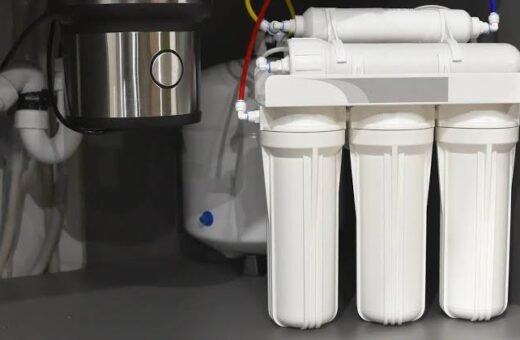
Filters eventually become exhausted. Softener components require service. Reverse osmosis membranes need replacement. Valves and other mechanical parts can wear.
Keep track of filter changes and service dates.
It’s also helpful to observe how quickly filters become dirty. If a cartridge that normally lasts six months suddenly becomes clogged after a few weeks, don’t simply replace it over and over.
Something may have changed in the water.
That filter could be giving you a useful clue.
Don’t Let Technology Distract From the Basics
Modern systems can include monitoring features, leak detection, automatic regeneration, and connected controls.
These features can be genuinely helpful, particularly for homeowners who travel frequently or simply don’t want to remember every maintenance interval.
But technology doesn’t eliminate the fundamentals.
You still need to know what the system is designed to do. You still need to replace consumables. And if water quality changes, testing may be necessary.
An app can provide an alert. It can’t explain every possible reason behind the alert.
The Right Water Strategy Is a Local One
There isn’t one treatment system that works perfectly for every home.
A property with mild hardness may need very little. Another may need filtration, softening, and dedicated drinking-water treatment. A private well may require specialized equipment based on its chemistry.
The smartest approach is surprisingly straightforward.
Understand the water source. Test when appropriate. Identify the actual problem. Choose treatment that addresses that problem. Make sure the equipment is sized correctly and installed with future maintenance in mind.
Then keep an eye on it.
Good water treatment shouldn’t feel like a daily project. Once everything is working properly, it should fade into the background.
That’s the ideal outcome: clean, dependable water without constantly wondering what’s happening inside the pipes.
Coastal living already gives homeowners plenty to think about. Your water system doesn’t need to be one of them.