Water can look perfectly clear and still contain substances that affect its taste, smell, plumbing, or everyday use. That’s one reason choosing a home water filter isn’t always as simple as picking the most popular product on the shelf. Different filters are built to deal with different problems, and the best choice depends on what’s actually present in the water.
Some households struggle with metallic staining. Others notice a rotten-egg smell, cloudy water after heavy rain, or an unpleasant chlorine taste. In many homes, the issue isn’t just one thing. There may be sediment combined with hardness, iron, sulphur, or organic compounds.
Understanding the purpose of different filtration technologies makes the decision much easier. Instead of treating water blindly, homeowners can identify the problem first and then choose equipment that fits their property.
Start With a Water Test
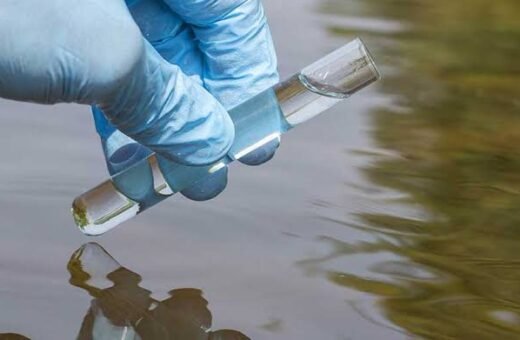
Before buying a filtration system, testing the water is a sensible first step. What looks like a filtration problem may actually be a hardness issue, a plumbing concern, or something that requires a specialized treatment method.
A water test can examine factors such as pH, hardness, iron, sulphur, sediment, chlorine, bacteria, and other characteristics. The exact testing needed depends on whether the property uses municipal water or a private well.
Well owners should be especially careful because groundwater chemistry can vary considerably from one location to another. A neighbour’s treatment system may not be appropriate for your home at all.
Testing gives you something much more useful than guesswork: a clear starting point.
Dealing With Iron and Sulfur Problems
Iron and sulphur are two common concerns in private well water. Iron can leave orange, reddish, or brown stains around sinks, toilets, tubs, and laundry. At higher levels, it may also affect taste and create an unpleasant metallic character.
Sulphur is often associated with a rotten-egg smell. Even when the concentration isn’t particularly high, the odour can make people reluctant to drink the water or use it for cooking.
Specialized iron & sulfur residential water filters can be designed to address these types of problems. Depending on the water chemistry, treatment may involve oxidation, filtration, aeration, or a combination of technologies.
The important detail is that iron and sulphur aren’t always present in exactly the same form. That’s why a proper water analysis matters. A system that works well for one type of iron may not perform the same way against another.
Why Sediment Filtration Matters
Sediment is a different kind of problem. It can come from groundwater, aging plumbing, construction activity, or changes in a private well. Tiny particles may include sand, silt, rust, or other suspended material.
Sediment filters are commonly used to capture these particles before water reaches other treatment equipment or household fixtures. In some systems, sediment filtration is placed early in the treatment process because removing larger particles can help protect downstream components.
You may notice sediment as cloudy water, visible particles in a glass, or grit collecting around faucet aerators. Sometimes the issue is more obvious after plumbing work or heavy rainfall.
Filter selection matters here too. Different cartridges have different micron ratings, capacities, and flow characteristics. A filter that is too restrictive can affect water pressure, while one that is too coarse may allow smaller particles to pass through.
What Carbon Filtration Can Improve
Carbon filtration is widely used in residential water treatment, particularly when taste and odour are concerns.
Activated carbon can reduce chlorine and certain organic compounds that affect the sensory quality of water. That’s why carbon filtration is commonly found in drinking-water systems, refrigerator filters, pitcher filters, and whole-house treatment equipment.
Carbon filters can make a noticeable difference when the primary complaint is that tap water smells or tastes unpleasant. They can also improve water used for cooking, tea, coffee, and other beverages.
However, carbon shouldn’t be treated as a universal solution. It isn’t designed to remove every dissolved mineral or contaminant. Some households may need additional technologies depending on their water test results.
This is where realistic expectations become important. A filter should be chosen for a defined purpose, not simply because the label lists a long collection of benefits.
Whole-House Filtration vs. Point-of-Use Treatment
Another question homeowners often face is whether to treat the entire home’s water supply or only the water used for drinking.
Whole-house filtration is installed at a central point, typically where water enters the property. This means treated water can reach showers, sinks, washing machines, and other fixtures throughout the home.
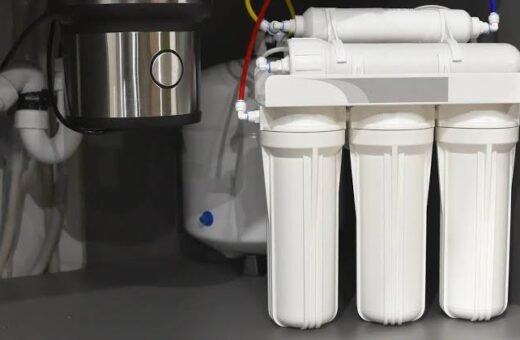
Point-of-use treatment is more targeted. A filtration system beneath the kitchen sink, for example, can focus on drinking and cooking water without treating every gallon used for bathing or laundry.
The right choice depends on the problem. If chlorine taste is the main concern, a kitchen system might be sufficient. If iron staining is occurring throughout the house, whole-house treatment may make more sense.
There isn’t a universal answer, and that’s actually a good thing. Homeowners have options.
How Filtration Can Protect Plumbing and Appliances
Water treatment isn’t only about making water taste better. It can also help protect household equipment.
Sediment may collect inside valves, faucet aerators, washing machines, and other components. Iron deposits can stain fixtures and create maintenance issues. Certain water conditions can also cause problems for treatment equipment itself if they aren’t addressed properly.
A well-designed filtration setup can act as part of a broader home maintenance strategy. In some cases, pre-filtration protects more specialized equipment from excessive particles, helping the complete treatment system operate more consistently.
Still, filters don’t replace routine maintenance. Appliances need cleaning, cartridges need replacement, and plumbing problems should be repaired rather than masked by filtration.
Filter Maintenance Is Part of the Deal
Buying a filter is only the beginning. Every filtration system has some form of maintenance, and homeowners should understand it before installation.
Cartridges eventually become loaded with the material they were designed to capture. As a filter becomes clogged, water pressure may decrease and performance can decline. Some systems have automatic controls, while others require manual replacement.
Replacement intervals depend on water quality and household usage. A family using a large amount of water may go through cartridges faster than a smaller household.
It’s also worth checking the cost and availability of replacement parts. A system may look affordable initially but become expensive if proprietary cartridges are difficult to source.
Avoiding the One-Filter-Fits-All Mindset
One of the biggest mistakes homeowners can make is assuming every filtration system works the same way.
A filter designed for sediment isn’t automatically suitable for sulphur odour. A carbon cartridge isn’t a substitute for a softener. A system designed for municipal water may not be appropriate for untreated well water.
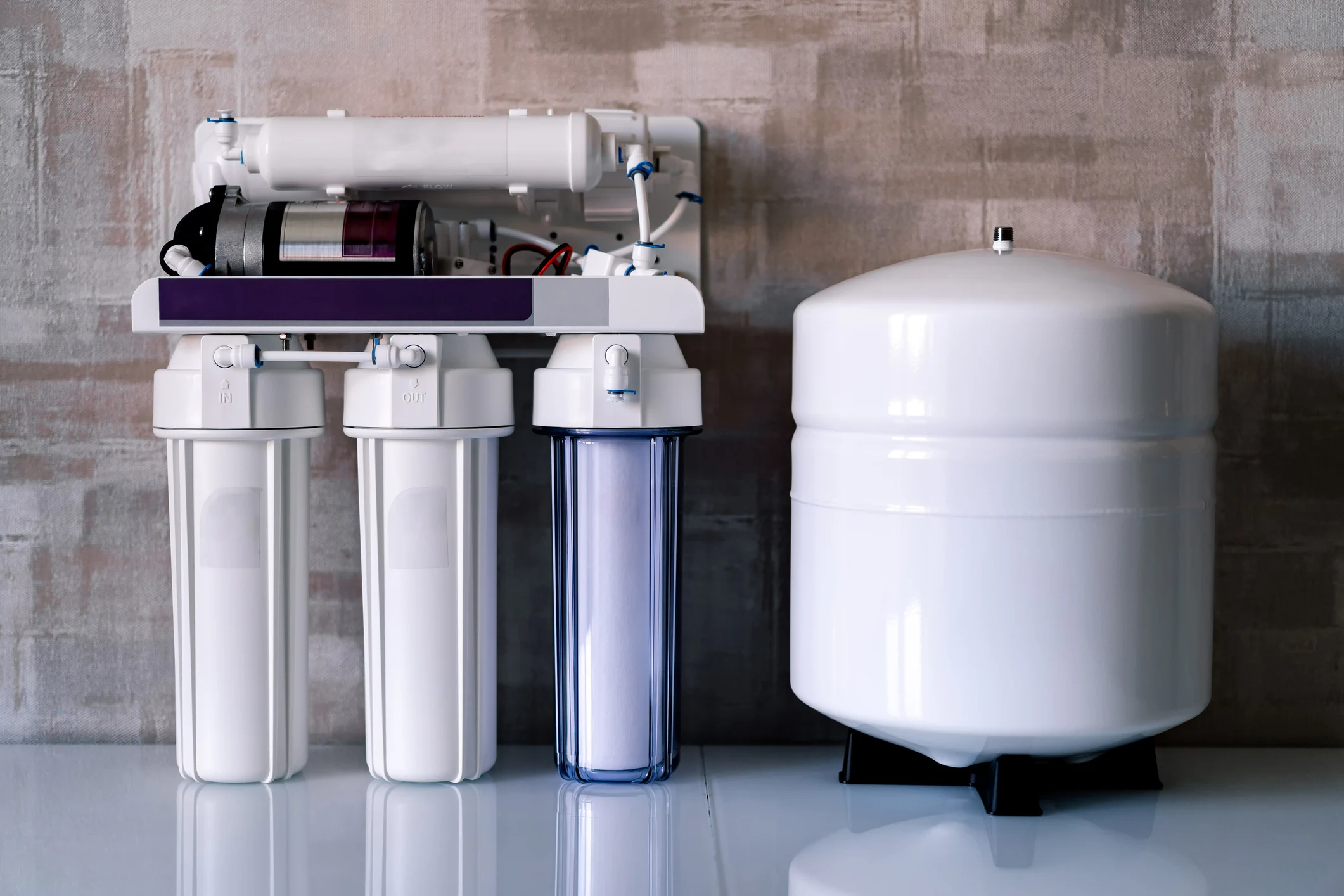
In some homes, a combination approach is necessary. Sediment filtration may come first, followed by carbon treatment or specialized iron removal. Other properties may require softening, disinfection, or additional purification.
The treatment train should follow the water chemistry, not the other way around.
Making a Confident Choice
Good water treatment starts with understanding rather than guessing. If your water has an unusual smell, staining, visible particles, or an unpleasant taste, don’t immediately assume that the most expensive filter is the answer.
Test the water. Identify the specific concern. Consider how much water your household uses and whether the problem affects the whole property or only drinking water. Then compare equipment based on performance, maintenance, installation requirements, and long-term cost.
The right filtration system should make life easier, not more complicated. When it is properly matched to the home’s water conditions, it can improve everyday water quality, protect fixtures, and reduce some of the frustrations that homeowners simply learn to live with.
And really, you shouldn’t have to get used to bad water when a practical solution may already be within reach.