Water is easy to ignore when everything seems normal. The tap opens, the glass fills, the shower runs, and nobody gives it another thought. That’s the way most homeowners prefer it.
Then something changes.
Maybe the water tastes slightly different. Perhaps there’s a strange smell after turning on the kitchen faucet, white buildup around the showerhead, or a sudden drop in pressure. Sometimes you notice particles floating in a glass. Other times, the signs are less obvious—a water bill that has crept upward or an appliance that doesn’t seem to perform quite as well.
These water problems aren’t necessarily serious, but they shouldn’t always be brushed aside either. Water quality and plumbing conditions can change for many reasons, and finding the cause early is usually easier than dealing with the consequences later.
The trick is knowing what deserves attention and what can wait.
Start With the Signs You Can See
Homeowners often notice water issues through everyday routines.
A dishwasher leaves spots on glasses. The shower doesn’t feel quite as strong. Faucets develop mineral deposits. Laundry seems different. The water has a metallic, earthy, or unusual odor.
One symptom doesn’t provide a complete diagnosis. A clogged faucet aerator, for example, might simply need cleaning. A persistent odor throughout the house is a different matter.
Pay attention to patterns.
Does the problem happen at one faucet or every fixture? Does it occur with hot water, cold water, or both? Did it begin suddenly or develop slowly?
Those details may seem small, but they can provide useful clues.
Your Water Source Matters
The first thing to understand is where your water comes from.
Municipal water supplies are treated before reaching homes, but the water still travels through distribution networks and household plumbing. Private wells have their own considerations, and well owners are responsible for monitoring the quality of their source.
Groundwater conditions can change. Heavy rainfall, changes around the property, well maintenance, or equipment problems can sometimes influence water quality.
That’s why a sudden change shouldn’t automatically be blamed on the treatment system—or the city, for that matter.
Sometimes the answer is closer to home.
Testing Gives You a Starting Point
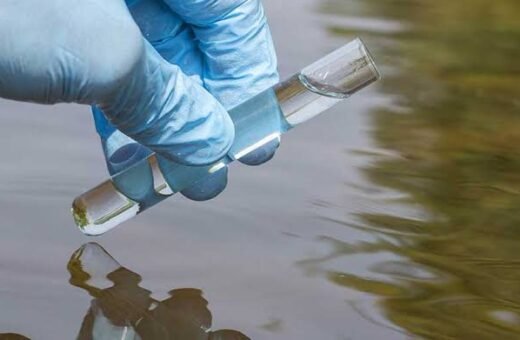
When water looks, tastes, or smells different, testing can replace guesswork with useful information.
Depending on the situation, a water test may examine hardness, pH, iron, manganese, sediment, dissolved solids, and other characteristics. Private wells may require particular attention to microbiological testing as well.
Testing doesn’t mean there’s something wrong. It’s simply a way to understand what you’re working with.
For example, if hard water is confirmed, a softening system may be appropriate. If sediment is the concern, filtration may be more useful. If there’s a particular taste or odor, a different treatment approach may be necessary.
Without testing, homeowners can easily spend money solving the wrong problem.
Sometimes the Plumbing Is the Culprit
It’s easy to blame the water when a faucet behaves strangely.
But the home’s plumbing can influence water quality and flow, too.
Older pipes may accumulate mineral deposits or corrosion products. A damaged valve can restrict flow. Plumbing work can disturb debris that has settled inside pipes. A hidden leak can cause water loss without leaving an obvious puddle.
This is why water treatment and plumbing inspection sometimes need to go hand in hand.
If a problem only affects one fixture, look there first. If every faucet is affected, the source may be farther upstream.
Professional Diagnosis Can Save Time
When symptoms don’t have an obvious explanation, expert diagnostics can prevent a lot of unnecessary trial and error.
A qualified professional can look at pressure, flow, plumbing connections, treatment equipment, and other relevant components to narrow down the cause.
For example, low pressure could result from a clogged aerator, a partially closed valve, restricted piping, a failing pressure regulator, or a leak. Simply replacing the showerhead won’t fix all of those possibilities.
Good diagnosis isn’t about making a problem sound complicated. In fact, the best professionals often do the opposite—they find the simplest explanation that fits the evidence.
Hard Water Is a Common Household Concern
Hard water deserves its own mention because it’s so widespread.
Calcium and magnesium are the primary minerals responsible for water hardness. They can leave white deposits around fixtures, create spots on glassware, and contribute to scale inside water-using appliances.
A water softener can reduce hardness, but it doesn’t address every possible water-quality issue.
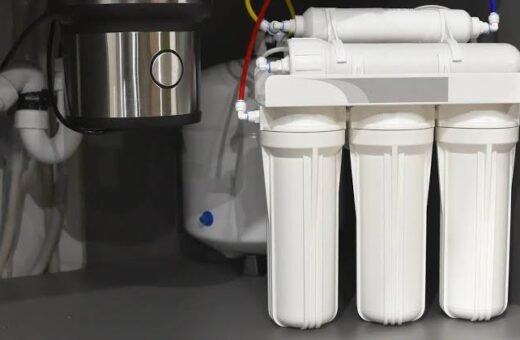
That’s an important distinction. Filtration, softening, reverse osmosis, and UV treatment all serve different purposes.
If you’re considering equipment, start with the problem rather than the product.
One System Doesn’t Fit Every Home
A homeowner with well water may have very different needs from someone using municipal water.
Even two nearby homes can have different treatment requirements because of plumbing age, water source, household size, and individual water chemistry.
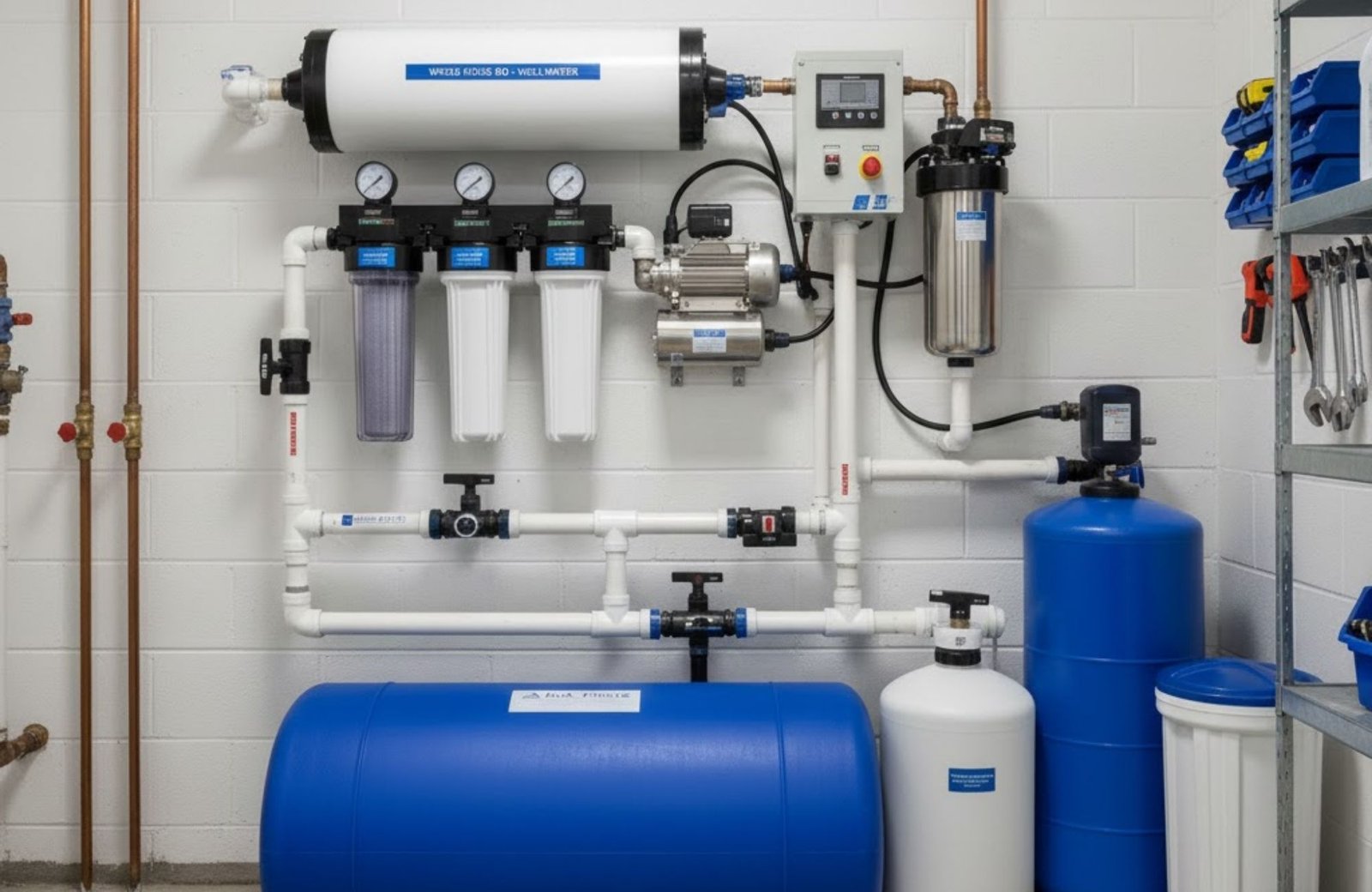
This is where customized water treatment systems can make sense. Instead of installing a generic package, treatment can be selected around the specific characteristics of the water and the household’s goals.
Customization doesn’t necessarily mean complicated.
Sometimes it simply means choosing the correct filter. In another home, it might mean combining filtration with softening or adding point-of-use treatment for drinking water.
The best setup is the one that solves the actual problem without creating unnecessary work.
Think About Flow and Pressure Before Installation
Water-treatment equipment becomes part of your plumbing system.
That means the system needs to be compatible with the home’s flow rate and pressure. A poorly sized filter or treatment unit can restrict flow and make existing pressure problems more noticeable.
Household demand matters as well.
A family with several bathrooms may use significantly more water during peak periods than a smaller household. Treatment equipment should be able to keep up when multiple fixtures operate at the same time.
Planning for real-world use is much better than sizing everything based on a quiet afternoon when nobody is home.
Maintenance Keeps Equipment Effective
Even the best treatment equipment needs attention.
Filters have replacement schedules. Softening systems require routine care. Reverse osmosis membranes eventually need replacement. UV systems have components that need periodic servicing.
Neglecting those tasks can quietly reduce performance.
You may notice weaker water pressure or a return of the original taste, odor, or mineral buildup. Sometimes there isn’t an obvious warning at all.
A maintenance calendar is an easy fix. Write down installation dates, filter changes, service visits, and recommended replacement intervals.
It takes minutes, not hours.
Don’t Ignore Sudden Changes
Gradual changes can be easy to overlook. Sudden changes deserve more attention.
If the water suddenly becomes discolored, develops an unusual odor, contains visible particles, or experiences a major pressure change, investigate the cause.
For private-well owners, unexpected changes in water quality are particularly worth testing.
And if you suspect contamination, don’t rely on appearance alone to decide whether water is safe. Clear water isn’t necessarily free of contaminants.
When in doubt, test.
Choose Solutions That Make Sense Long Term
Water treatment isn’t just about buying equipment.
Consider installation, maintenance, replacement parts, operating costs, available space, and the expected service life of the system.
A cheap system that requires frequent replacement may cost more over time. An elaborate system with unnecessary features can create additional maintenance without providing much benefit.
Ask practical questions before making a decision.
What does this equipment treat? Why is it needed? How often does it require service? What happens if a component fails?
Clear answers are more valuable than impressive marketing language.
Good Water Management Starts With Curiosity
Most homeowners don’t need to become water-quality experts.
They just need to pay attention.
Notice when the water changes. Look for patterns. Test when appropriate. Keep plumbing and treatment equipment maintained. And when a problem doesn’t make sense, get it checked instead of guessing.
A well-designed treatment system should solve a real concern without becoming a new source of frustration.
In the end, that’s what good water management is about. Not buying the biggest system, collecting the most equipment, or chasing the latest technology.
It’s about understanding what your home needs and giving it exactly that.
When the water tastes right, fixtures stay cleaner, pressure remains steady, and everything works quietly in the background, you probably won’t think about your water system very much.
And honestly, that’s the point.